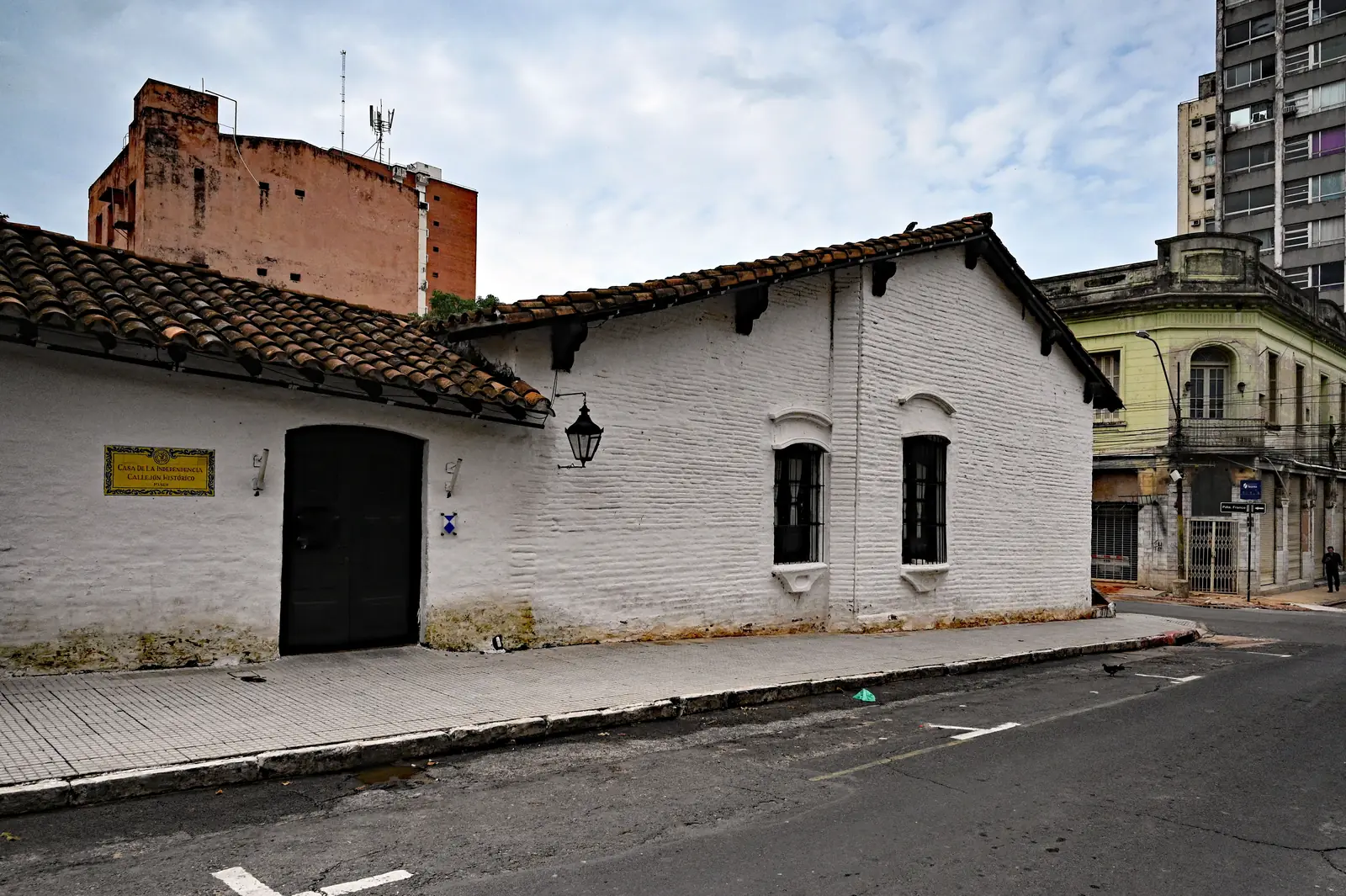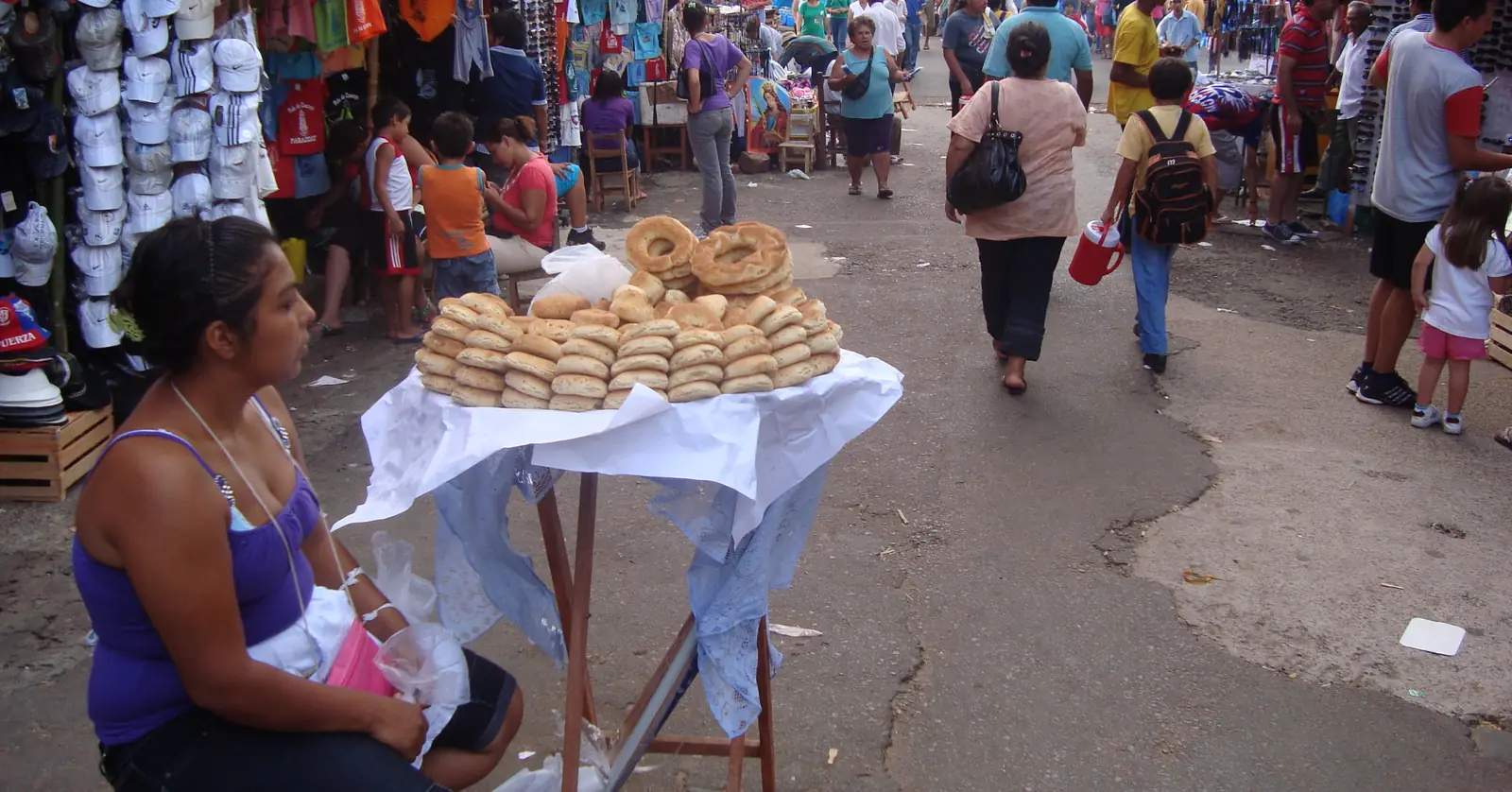
The chipa seller is at the corner by half past six, a basket of warm cheese bread on her arm, and by eight the street smells of grilled meat from the lunch stand. Your bank appointment is at ten, the plumber said Tuesday, and Tuesday in Paraguay can mean Thursday. Living in Paraguay is mostly made of small moments like these. This guide describes the routines that shape a normal week, so you can picture the life before you plan the move.
Most of what follows comes from Asunción, where nearly every newcomer starts. Figures on costs, climate, connectivity and health are drawn from our dedicated guides, which are linked in each section for the full detail.
Living in Paraguay: what changes in your everyday life
Daily life in Paraguay differs from life in North America, Europe or the big Asian cities in five ways: the pace is slower and more personal, the summer heat dictates your timetable, Spanish is close to essential, healthcare is organized privately, and a comfortable month costs far less. Newcomers who expect those five changes adjust quickly; those who do not spend their first year fighting them.
The country is small in people and large in space, as our Paraguay country guide shows. The 2022 census counted 6,109,903 residents, and the capital feels more like an oversized town than a metropolis. There are glass office towers and modern shopping malls along Avenida Aviadores del Chaco and in Villa Morra, but no metro, few traffic jams outside rush hour and very little hurry. Many people tell us that this calm turned out to be the thing they value most.
A weekday in Asunción: errands, payments and getting around
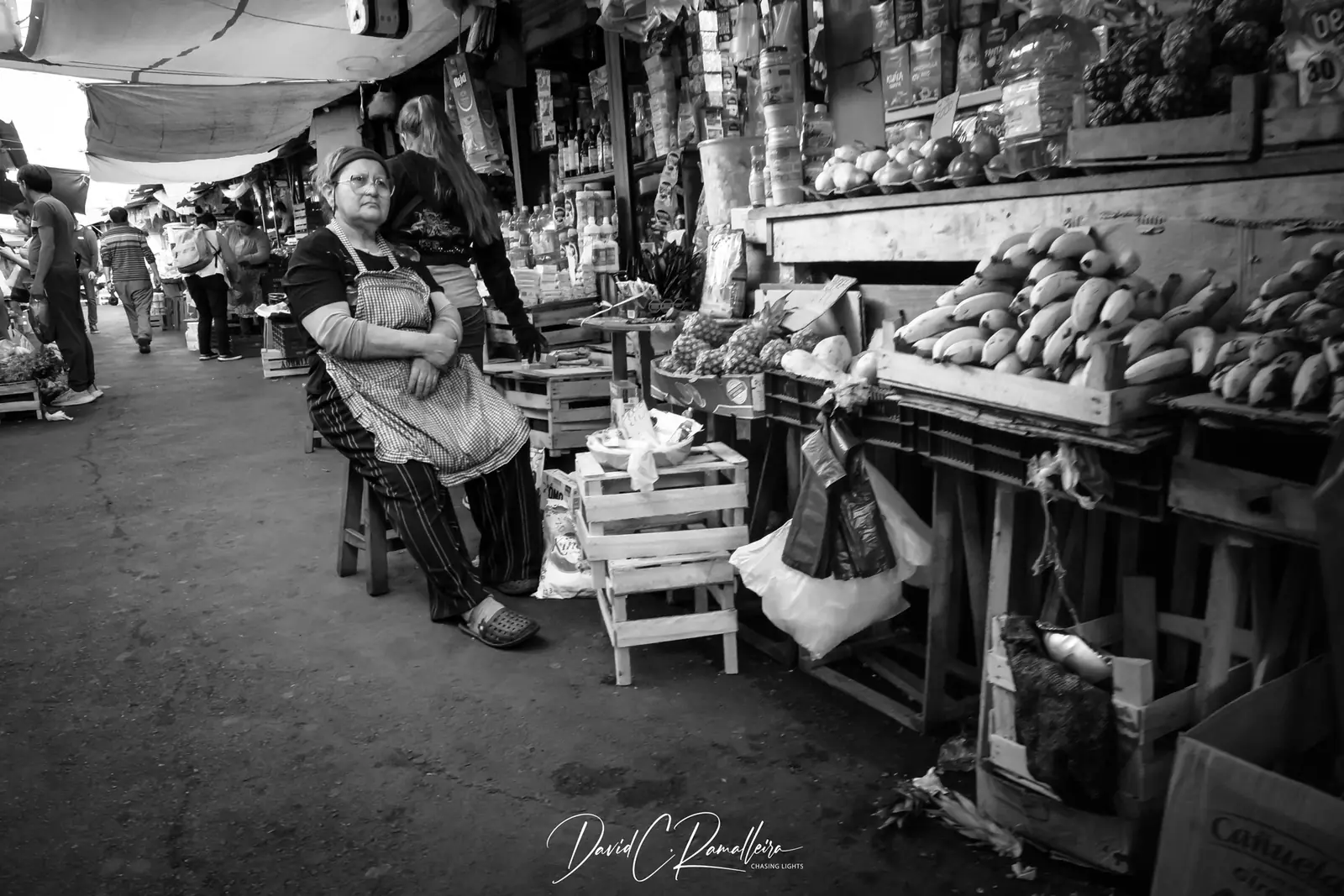
Errands in Asunción are spread across three kinds of shop. The large supermarkets, Superseis and Stock, cover the weekly shop; Biggie runs smaller stores that stay open late; Real and Arete stock the widest imported ranges. For fresh produce, locals go to a feria or to the sprawling Mercado 4, and for milk or bread at short notice, to the corner despensa. Our guide to grocery shopping in Paraguay explains how to split the shop to keep the bill down.
Payment habits are mixed. Cards work at supermarkets, malls and most restaurants, while small shops, market stalls and many tradespeople prefer cash or a bank transfer. Keep some guaraní notes on you at all times. Delivery apps cover food, groceries and pharmacy items across the city, which makes the hottest summer afternoons much easier.
Getting around is simpler than many expect. Ride-hailing apps such as Bolt, Uber and the local MUV are cheap, with a typical cross-town trip costing roughly $3 to $6. City buses reach everywhere for well under a dollar but are slow and hard to read at first. Many residents in the walkable neighborhoods never buy a car, as our guide to driving in Paraguay discusses.
Bureaucracy is the part of the weekday that runs on its own clock. Offices work in person, queues are normal, and an extra document request on the day is not unusual. A morning set aside for one appointment is the realistic plan.
How the seasons set the rhythm of life in Paraguay
The climate shapes daily life more than anything else. From December to February, daytime highs of 33 to 38°C are normal in Asunción, heat waves push past 40°C, and summer nights can stay above 25°C. Air conditioning is a necessity in that season, and running it can double an electricity bill.
So people shift their day. Exercise, shopping and errands happen before ten in the morning or after sunset, and the hours in between belong to air-conditioned offices and homes. Afternoon storms roll in with little warning and can flood streets for an hour. In smaller towns, many shops still close for a long lunch break.
Winter, from June to August, is the reward. Days usually reach 18 to 24°C under clear skies, and outdoor life comes back. Cold fronts from the south can drop the thermometer sharply for a few days, and because most homes have no insulation or central heating, a heater or a heat-pump air conditioner earns its place. The month-by-month detail sits in our guide to Paraguay's climate and weather.
Many people find their first summer the hardest stretch of the whole move. Arriving in May or June gives you months to settle before the heat returns.
Spanish, Guaraní and the language of daily life in Paraguay
Paraguay has two official languages, Spanish and Guaraní. In Asunción you mostly hear Spanish, often mixed with Guaraní words in a blend called jopara; in the countryside, Guaraní is the first language for many people. You do not need Guaraní, but a greeting such as mba'éichapa earns smiles out of all proportion to the effort.
Spanish is a different matter. English carries you through a café in Villa Morra and some international offices, but rarely through a conversation with a landlord, a doctor or a government clerk. We suggest aiming for intermediate Spanish within the first year. Private tutoring is affordable, often around $8 to $20 a lesson, and our guide to learning Spanish in Paraguay lists the routes that work fastest.
Paraguayan Spanish uses vos instead of tú and borrows freely from Guaraní, so expect the first weeks to sound unlike your textbook. People are patient with learners and appreciate the attempt.
Social life in Paraguay: tereré, asados and family
The daily ritual is tereré: yerba mate brewed with ice water, often with herbs, passed around a circle from one shared cup, the guampa. UNESCO added the tereré tradition to its list of intangible cultural heritage in 2020. Being offered the cup is an invitation into the group, and accepting it is the right answer.
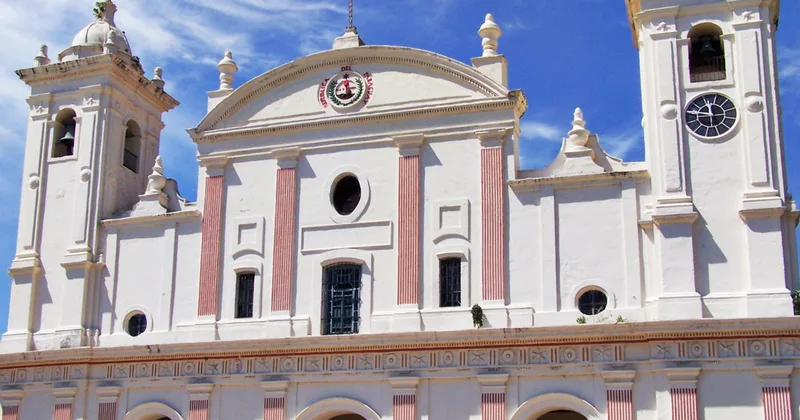
Weekends revolve around family and the asado, a long barbecue that can stretch from midday into the evening. Arriving half an hour after the stated time is normal at a private gathering, though not at a doctor's office or a government appointment. The calendar follows the Catholic year too: Holy Week matters more than many visitors expect, and on 8 December hundreds of thousands make the pilgrimage to the basilica in Caacupé.
Friendships form quickly on the surface and slowly underneath. Invitations come early; close trust usually takes a year or more. Foreign residents often find a first circle through other newcomers and only later through Paraguayan colleagues and neighbors. Our guide to the expat community in Paraguay lists the groups, coworking spaces and meetups where that first circle usually forms, and the guide to Paraguayan culture and customs covers etiquette in depth.
Home life in Paraguay: apartments, utilities and help at home
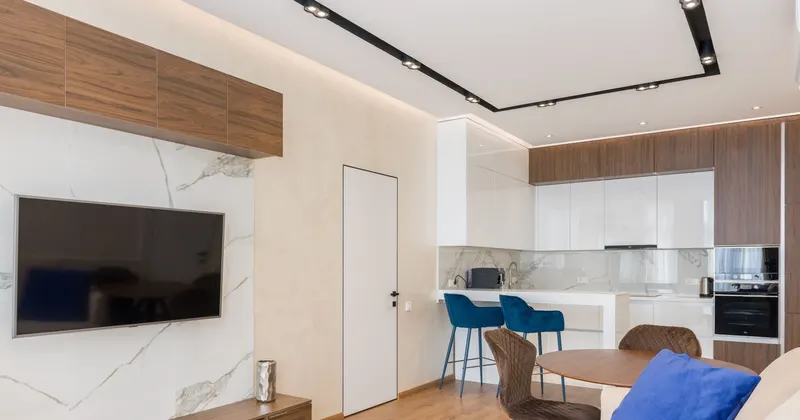
Most newcomers rent an apartment in a building with a doorman or a house inside a gated condominio. Expect air conditioning in at least the bedroom, a gas cylinder for the stove and a water heater, and a monthly building fee on top of rent. Electricity comes from the state utility ANDE and is cheap for most of the year; water, gas and garbage add little.
Help in the home is common, and the law is clear about it. Since Law 6338 of 2019, domestic workers are entitled to the full statutory minimum wage, which has been PYG 3,044,000 a month since 1 July 2026, about $520. Add the employer's 16.5% social security contribution and the mandatory 13th salary, and a full-time employee costs roughly $650 a month. Part-time help paid by the hour costs proportionally less, but never below the hourly minimum.
Power outages happen, mostly during summer storms, and usually last minutes rather than hours. Many households keep a small battery pack for the router. The full supplier-by-supplier picture is in our breakdown of utility costs in Paraguay.
Healthcare in daily life in Paraguay
Most foreign residents use private healthcare. Asunción has well-equipped private hospitals and clinics, and a private consultation paid in cash costs about $20 to $40. Local prepaid health plans start at around $110 a month for a basic adult plan, while international expat policies run roughly $110 to $400 depending on age and coverage.
The public system, run by the Ministry of Health, is open to everyone. Under Law 5099 of 2013, its services are fee-free for residents, while non-residents receive care that is only partly free. In practice, waiting times and equipment vary widely, so foreigners tend to keep private cover and use public services as a backstop. Our guide to health insurance in Paraguay compares local and international plans.
Pharmacies are everywhere and well stocked, and many common medicines are cheaper than in North America or Europe. Bring a stock of anything you take regularly for the first weeks, together with the generic name, since brand names differ.
Internet, phones and the time zone when living in Paraguay
Connectivity is one of the pleasant surprises. Home fiber in the cities costs roughly $20 to $50 a month, from about 200 Mbps at the low end to 700 Mbps at the top. Prepaid mobile plans from Tigo, Personal or Claro are cheap and quick to set up with a passport, and a local number is what ride apps, banks and appointment systems expect.
The time zone helps remote workers too. Paraguay has stayed on UTC-3 all year since October 2024, with no daylight saving time. That puts it one hour ahead of New York in the northern summer and two hours ahead in winter, and three to four hours behind London. A full overlap with East Coast business hours is easy; Europe means early mornings.
The practical setup for working online, with backup options and coverage outside the cities, is covered in our guide to internet and mobile in Paraguay.
Want to see what your own first year here could look like? In a free call we walk through your timeline, the residency steps and the neighborhoods that suit your routine, before you book a flight. Request a call
Paperwork you meet when living in Paraguay
Visitors from many countries can stay up to 90 days without a visa. Living in Paraguay long term means applying for temporary residency under the migration law, Ley 6984/2022. It is valid for two years and leads to permanent residency. With the residency card you then apply for the cédula, the national ID card, which in our practice arrives about 3 to 4 months after you start with one trip, or 5 to 7 months with two.
The cédula is what unlocks normal life: a local bank account, a phone contract in your name, car registration and most rental contracts on standard terms. Until then, much is possible but slower. Residency also has limits on time abroad: temporary residents should not stay outside Paraguay for more than one year at a stretch, and permanent residents not more than three. Our cédula guide explains each step.
Taxation follows the territorial principle. Work you physically do from Paraguay can count as Paraguayan-source income and be taxed at around 8 to 10%, even if your clients are abroad. Only genuinely foreign income, such as foreign dividends or a foreign pension, stays untaxed in principle. Tax residency requires an active RUC with current filings.
US citizens and green-card holders are a special case: the United States taxes them on worldwide income wherever they live, so Paraguayan residency does not remove US tax. Our guide for US citizens in Paraguay explains the US side, and we introduce partner tax advisers for individual questions.
What a month of living in Paraguay costs
A comfortable month for one person in a good Asunción neighborhood lands between about $1,200 and $1,700, according to our cost research for 2026. This sample budget for a single remote worker shows where the money goes:
| Monthly item (single, Asunción) | USD |
|---|---|
| Modern one-bedroom in a good area | 600 |
| Groceries | 300 |
| Utilities (power, water, gas) | 85 |
| Internet and mobile | 50 |
| Transport (buses and ride apps) | 70 |
| Private health cover | 130 |
| Dining out and leisure | 250 |
| Total | about 1,485 |
Services, restaurants, fresh produce and electricity are inexpensive. Imported goods, electronics, cars and private schools are not, and a guaraní that has strengthened against the dollar since 2025 has made the country noticeably dearer for anyone earning in dollars. The complete breakdown, with couple and family budgets, is in our guide to the cost of living in Paraguay.
Who thrives living in Paraguay, and who struggles
People who do well here tend to share a few traits. They enjoy a slower pace, are willing to learn Spanish, and treat bureaucracy as a task to plan rather than a personal insult. Remote workers with stable income, retirees on a foreign pension and families who value space and time often settle in contentedly within a year.
The people who struggle usually wanted a cheaper version of home. They miss the variety of a big city, find the summer heat oppressive, or feel far from family; there are few direct long-haul flights, and most trips to Europe or North America involve a connection. Before you commit, weigh our list of the downsides of moving to Paraguay against my own story of why I moved to Paraguay.
The most reliable test is a stay of several weeks before deciding, ideally including some summer days. A month of real errands tells you more than a year of reading.
Frequently Asked Questions About Living in Paraguay
Is living in Paraguay cheaper than in the US or Europe?
Yes, for most people considerably. A comfortable single life in Asunción costs about $1,200 to $1,700 a month in 2026, well below the cost of a similar lifestyle in most large Western cities. Services, food and electricity are cheap; imported goods, cars and private schools are expensive, and a stronger guaraní has narrowed the gap somewhat.
Can you live in Paraguay without speaking Spanish?
For a few weeks, yes; for a full life in Paraguay, hardly. English works in some cafés and international offices in Asunción, but rarely with landlords, doctors or government offices. Aim for intermediate Spanish within your first year. Guaraní is not required, though a few words are much appreciated.
Is Paraguay a safe country to live in?
Paraguay is generally considered one of the calmer countries in the region, and violent crime against foreigners is uncommon. The everyday risks are petty theft, phone snatching and scams, so normal urban caution applies. Most newcomers live in neighborhoods with doormen or gated communities and feel at ease within a few months.
How hot does it get when living in Paraguay?
From December to February, daytime highs in Asunción typically reach 33 to 38°C, heat waves can pass 40°C, and humid nights often stay above 25°C. Winters from June to August are mild, usually 18 to 24°C by day. Air conditioning is standard equipment in any Paraguayan home.
Do I need residency to live in Paraguay?
For stays of up to 90 days, visitors from many countries need no visa. To live in Paraguay longer, you apply for temporary residency, valid for two years, and then permanent residency. The residency card leads to the cédula, the national ID that you need for a bank account and most contracts.
What is daily life in Paraguay like for expats?
Daily life in Paraguay for foreigners usually means an apartment or gated house in Asunción, errands done early before the heat, ride apps instead of a car, private healthcare and a weekend asado. The pace is slow and personal, appointments run late, and relationships matter more than efficiency. Most people find the rhythm pleasant once they stop resisting it.
What time zone does Paraguay use?
Paraguay uses UTC-3 all year since October 2024 and no longer changes the clocks. That places it one to two hours ahead of New York, depending on the season, and three to four hours behind London, which makes working with clients in the Americas especially easy.
Conclusion: living in Paraguay rewards realistic expectations
Life here is cheaper, calmer and more personal than in most places newcomers come from, and also hotter, slower and more Spanish-speaking than many expect. People who accept that trade usually stay. The best preparation is simple: visit in summer, start learning Spanish early, and keep your paperwork moving from the first week.
Ready to turn a long stay into residency? We take care of the residency, the cédula and the first trips through the offices, so you can spend your energy on settling in. Our residency and cédula service explains each step, and the packages and prices show what is included.
Disclaimer: This article is general information, not individual tax, legal or medical advice. Prices, exchange rates and rules in Paraguay and in your home country can change, and details depend on your personal situation. Have your situation reviewed by a qualified adviser before you act.

About the author
Yannick Schroth
Founder · Paraguay relocation advisor
Lives in Asunción and guides international nomads, entrepreneurs and investors through residency, the cédula and the RUC paperwork in Paraguay.
Note: this article reflects the position at the time of publication. Laws, prices and deadlines can change, so individual details may since be out of date. Check the current rules before you act on them: we answer questions about residency and our services, while the tax treatment of your own case belongs with a qualified tax adviser.