You can land in Asuncion with zero Spanish and still order lunch, thanks to a patient waiter and a translation app. What you cannot do is open a bank account, argue a lease, or make a real friend that way. The honest answer to how much Spanish you need in Paraguay is: more than you think for the paperwork, less than you fear for daily life.
This guide covers how far you really need to get, where Guarani fits in, and the concrete ways to learn Spanish in Paraguay without spending a fortune or a year.
How Much Spanish You Really Need to Live in Paraguay
Spanish is essential for day-to-day life in Paraguay, whether you settle in Asunción or a smaller town. Government offices, banks, most landlords, doctors, and the corner shop all run in Spanish, and English is rare outside a handful of international businesses and younger professionals. This is not a place where you can coast on English the way you might in parts of Southeast Asia or the Gulf.
The good news is that the bar for a functional life sits well below fluency. If you can handle greetings, numbers, prices, directions, and the basic back-and-forth of a transaction, you can run most of your week alone. Roughly an A2 to B1 level covers ordinary errands and small talk. Everything above that improves your life rather than being required to survive it.
Where thin Spanish genuinely hurts is the bureaucracy. Migraciones, the tax office, and a notary will not slow down for you, and a misunderstanding on a form costs real time, as the residency and cédula guide makes clear. Many newcomers bridge this with a gestor (a local fixer who handles paperwork) or a bilingual friend for the first months, then lean on that help less as their Spanish grows. Our step-by-step guide to moving to Paraguay shows where those Spanish-heavy moments fall in the process.
Why You Should Learn Spanish in Paraguay, Not Just Get By
There is a difference between surviving and settling, and Spanish is usually the line between them. People who stall at a few memorized phrases tend to stay inside a small English-speaking bubble, pay more because they cannot negotiate, and feel oddly isolated in a country that is otherwise warm. The frustration many expats report is rarely about Paraguay itself; it is about not being able to reach it.
Learning the language changes the texture of ordinary days. You start understanding the joke the taxi driver just made, you catch what the pharmacist actually recommended, and you stop nodding along to contracts you have not fully read. Paraguayans are notably forgiving of imperfect Spanish and warm to any foreigner who visibly tries, which makes the country an encouraging place to practice.
There is also a structural reason to invest early. A settled life here rewards people who put down roots, and language is the deepest root of all. If you are weighing the harder parts of the move, our honest look at the downsides of moving to Paraguay is candid that language friction is one of the real adjustments.
The Role of Guarani When You Learn Spanish in Paraguay
Paraguay is genuinely bilingual, and this surprises almost everyone on arrival. Guarani is co-official alongside Spanish and widely spoken across the country, in the street, in homes, on the radio, and in a soft blend with Spanish that locals call jopara. You will hear it constantly, and in rural areas some older people are more comfortable in Guarani.
Here is the reassuring part: you do not need to learn Guarani to live in Paraguay. Spanish is enough for every practical purpose, and no office will require Guarani of a foreigner. But learning even a few words carries a social weight far beyond their number. A dropped mba'eichapa (how are you) or a warm aguyje (thank you) tends to make Paraguayans light up, because it signals you see their culture.
Approach it as a bonus rather than a burden. Master functional Spanish first, then pick up Guarani greetings and a handful of affectionate words along the way. Many long-term expats never go beyond that, and that is fine. The point is respect and connection, not a second full course of study.
Where to Learn Spanish in Paraguay: Schools in Asuncion
Asunción has a modest but real set of options for structured Spanish learning, from dedicated language schools to universities and cultural institutes that run courses for foreigners. Group classes give you a syllabus, a peer group, and the discipline of a fixed schedule, which suits people who struggle to study alone. Prices are affordable by international standards and vary with format, intensity, and whether you go group or one-to-one.
Choosing a school comes down to how you learn. Intensive courses that meet several times a week move you fast and suit anyone with time to focus before work ramps up. Lighter weekly courses fit around a remote job but take longer to show results. Ask for a level assessment and a trial class before committing, and confirm current schedules and prices directly, because course availability in Paraguay shifts term to term.
One school we point people to is Fluido Spanish (Ad), which teaches in person in Asunción rather than online, in small groups of up to four. In-person is the point: the whole argument for learning here is that you leave the lesson and immediately use it.
Disclosure: a sign-up through our link earns us a commission from the school. For live practice before you arrive, Fluido itself points to online tutoring platforms such as Preply or italki. Its founder, Sam Goetz, explains in our founder interview from Asunción how Spanish went from his worst high-school subject to his business, and what his fastest learners do differently.
Location matters more than it seems, because a school you can walk to is a school you will actually attend. Many newcomers base themselves in central, walkable barrios for this reason, and our guide to the best neighborhoods in Asunción maps the areas that keep classes, cafes, and daily life within easy reach.
Private Spanish Tutors in Paraguay and What They Cost
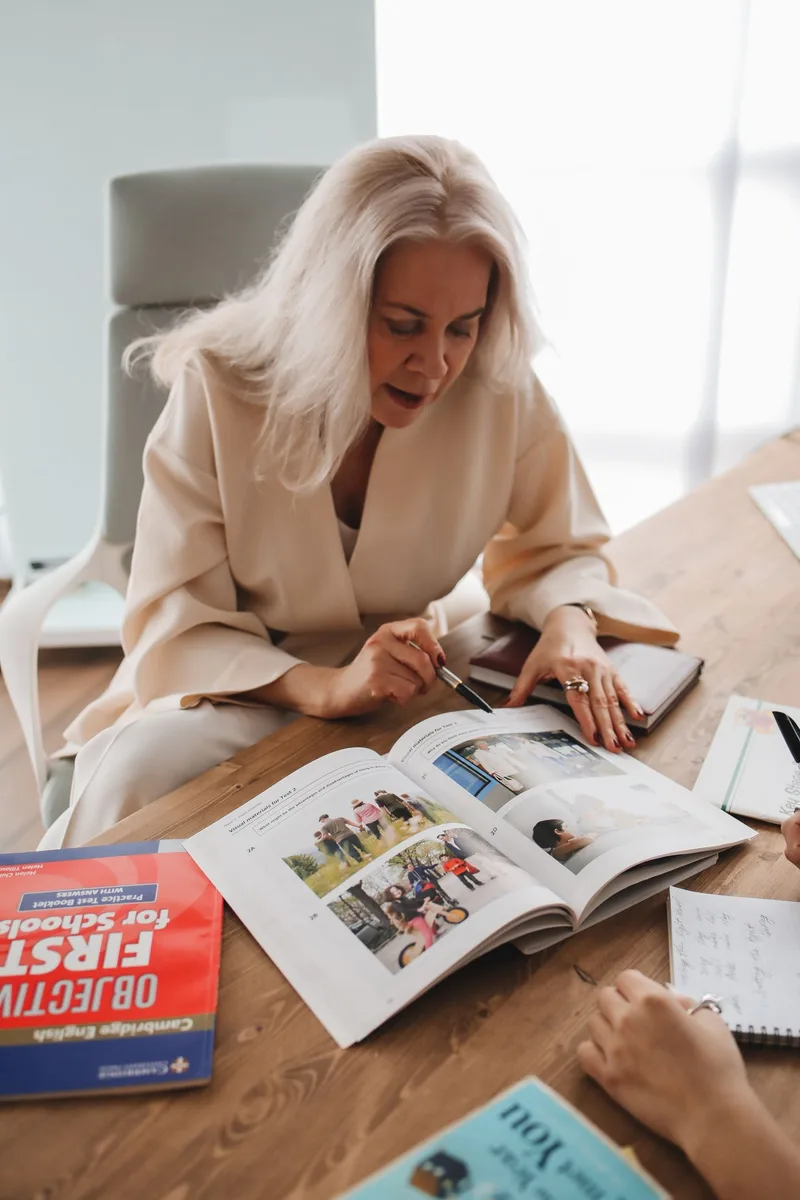
For many people, a private tutor beats a classroom. One-to-one lessons adapt entirely to you, target the exact situations you face, and let you schedule around a remote job. You can find tutors through language schools, local expat groups, university noticeboards, and word of mouth, and both in-person and online arrangements are common.
Cost is one of Paraguay's quiet advantages. Private tutoring is affordable: a lesson often runs roughly $8 to $20 depending on the tutor's experience, in-person or online, and how many you book at once. Those figures are approximate and as of 2026, so confirm current rates directly. Regular one-to-one practice that would be a serious expense in North America or Western Europe is genuinely accessible.
Get the most from a tutor by bringing real material into the lesson. A lease you need to understand, a phone call you have to make, the vocabulary of your specific work: these turn abstract study into things you can use that same afternoon. Two focused hours a week with a good tutor, paired with real practice between sessions, moves most beginners faster than a passive group class.
Learning Spanish in Paraguay With Apps and Self-Study
Apps are where most people start, and they earn their place. Tools like Duolingo, Anki for vocabulary, and podcasts aimed at Spanish learners build a base of words and grammar you can carry into real conversations. They are cheap or free, they fit into dead moments in your day, and they let you begin before you even arrive.
Their limit is equally clear. No app teaches you to understand a fast Paraguayan cashier, handle the local voseo, or recover when a conversation goes off-script. Self-study builds the raw material; only real interaction turns it into usable speech. Treat apps as a daily supplement, twenty minutes to keep vocabulary fresh, rather than as the main event.
Blend the tools deliberately. Use an app for vocabulary and grammar drills, a tutor or class for structured correction, and daily life for the pressure of the real thing. Change your phone and streaming settings to Spanish too, so the language surrounds you in the hours you would otherwise spend in English.
Immersion: The Fastest Way to Learn Spanish in Paraguay
Living in Paraguay is itself the strongest possible course, if you let it be. Every kiosk, taxi, and market stall is a free lesson, and the single biggest predictor of how fast an expat learns Spanish is how much they choose to use it versus retreating into the English-speaking expat community. The country hands you immersion; whether you accept it is the real variable.
Push yourself into low-stakes practice on purpose. Order in Spanish even when the person speaks some English, ask the greengrocer what a fruit is called, join a language exchange, and let small talk with your neighbors run in Spanish. These tiny interactions, repeated daily, do more than any single class because they carry the weight of actually needing to communicate.
The trap is the expat bubble. A social life that runs entirely in English will freeze your Spanish at arrival level for years. The people who become fluent are rarely the most gifted; they are the ones who tolerated the discomfort of speaking badly in public long enough to speak well.
Planning your move to Paraguay and wondering how you will manage day to day? A short intro call explains how our residency packages handle the paperwork side in Paraguay. Talk to us.
Paraguayan Spanish Quirks: Voseo and Guarani Loanwords
Paraguayan Spanish has its own accent and habits, and knowing them upfront saves confusion. The most important is voseo: locals say vos instead of tú for the informal "you", with slightly different verb forms, so you will hear vos tenes rather than tú tienes. Any Spanish you learned elsewhere still works, but picking up voseo makes you sound like you actually live here rather than like a tourist reading from a phrasebook.
The other quirk is the constant weave of Guarani. Everyday Paraguayan Spanish is sprinkled with Guarani loanwords and softeners, and expressions drift between the two languages mid-sentence in the jopara blend. You will hear little tags like na and ko added for emphasis or politeness, and food, plants, and place names are frequently Guarani. None of this blocks comprehension once you expect it, but it explains why Paraguayan Spanish sounds different from the textbook or from Mexican and Spanish media.
Do not let the quirks intimidate you. Standard Spanish is universally understood, and locals switch effortlessly to help a learner. Treat voseo and the Guarani flavor as color you absorb over time, not as a barrier to clear before you start speaking. Even confident Spanish speakers from other countries need a few weeks to tune their ear.
Useful Starter Phrases for Spanish in Paraguay
A small kit of phrases carries you a surprisingly long way in the first weeks. These are the ones you will use daily. Greetings first: Hola (hello), Buen dia (good day), Como estas? (how are you, informal voseo: Como andas?), and Que tal? (how's it going?). Add the Guarani Mba'eichapa? and locals will grin.
For transactions, learn these cold: Cuanto cuesta? (how much is it?), Muy caro! (too expensive!), Acepta tarjeta? (do you take card?), and La cuenta, por favor (the bill, please). For getting around: Donde esta el bano? (where is the bathroom?), Como llego a...? (how do I get to...?), and Pare aca, por favor (stop here, please) for a taxi.
When you are lost, three phrases rescue you: No entiendo (I don't understand), Puede repetir, por favor? (can you repeat, please?), and Habla mas despacio, por favor (speak more slowly, please). Round it off with Por favor, Gracias, De nada, and Disculpe (excuse me), and you already sound like someone making a genuine effort, which in Paraguay counts for a great deal.
A Realistic Timeline to Learn Spanish in Paraguay
Set honest expectations and you will stay motivated instead of quitting at the first plateau. With consistent study, most people reach functional basics, enough for errands, small talk, and simple transactions, within a few months. If you arrive with some Spanish, that shrinks; start from zero and study casually and it stretches. The variable is consistency, not talent.
A rough arc looks like this. In the first month you build survival phrases and start understanding fragments. Over the following two to three months of regular lessons plus daily use, you move toward basic conversations and managing most solo errands. Reaching comfortable, flowing conversation, the point where you stop translating in your head, typically takes a year or more of living in it, and that is normal rather than slow.
The trajectory bends on how you spend those first weeks. The first 30 days in Paraguay are when either good language habits or an English-only comfort zone set in, so front-load the effort while everything is new. A person who commits early tends to be conversational by the time a casual learner is still fumbling through greetings.
Common Mistakes When Learning Spanish in Paraguay
The biggest mistake is waiting to feel ready before speaking. There is no threshold of grammar that makes conversation safe; you learn to speak by speaking badly first. Perfectionism keeps more expats silent than any genuine lack of ability, and the cure is to accept mistakes as the toll on the road to fluency rather than as failures.
A second trap is relying entirely on one method. Apps alone, or a weekly class with no real practice, both plateau fast because they miss the pressure of actual Paraguayan Spanish. The third and quietest mistake is letting comfort win: drifting into an English-speaking circle after a long day is how people spend years here still stuck at airport Spanish. Keep one daily interaction in Spanish no matter what, and the language keeps moving forward.
Prefer to spend your energy on Spanish while the residency paperwork runs? Our packages cover the residency filing in Paraguay through to the cédula, each at a fixed price. View the packages.
Frequently Asked Questions About Learning Spanish in Paraguay
Do I need to speak Spanish to live in Paraguay?
Yes, Spanish is essential for daily life in Paraguay, since offices, banks, landlords, and most shops run in it and English is rare. You can survive the first days with translation apps, but a functional A2 to B1 level is what lets you handle errands and settle in comfortably on your own.
Do I have to learn Guarani to live in Paraguay?
No, you do not need Guarani to live in Paraguay. It is co-official and widely spoken, but Spanish covers every practical purpose and no office requires Guarani of a foreigner. Learning a few Guarani greetings still helps socially, because it shows respect and tends to delight locals far beyond the effort involved.
How much does it cost to learn Spanish in Paraguay?
Learning Spanish in Paraguay is affordable by international standards. Private tutors often charge roughly $8 to $20 per lesson, and language schools in Asunción run group and one-to-one courses at modest rates. These figures are approximate and as of 2026, so confirm current prices directly with tutors or schools before you enroll.
How long does it take to learn Spanish in Paraguay?
With consistent study, most people reach functional basics within a few months, enough for errands and simple conversation. Comfortable, flowing Spanish usually takes a year or more of living in it. Your starting level and daily consistency matter more than natural talent, and immersion speeds the whole process considerably.
What is voseo in Paraguayan Spanish?
Voseo is the local habit of using vos instead of tú for the informal "you", with slightly different verb forms, so you hear vos tenes rather than tú tienes. Standard Spanish is still fully understood in Paraguay, but adopting voseo makes you sound like a resident rather than a visitor.
Where can I learn Spanish in Paraguay as a beginner?
Beginners in Paraguay can choose language schools and cultural institutes in Asunción, private tutors found through expat groups and word of mouth, and apps for daily self-study. The most effective approach combines a tutor or class for structure with real immersion in everyday life, since no single method carries you to fluency alone.
Is Paraguayan Spanish hard to understand?
Paraguayan Spanish is clear once you expect its quirks. It uses voseo and weaves in Guarani loanwords and softeners, which can sound different from textbook or Mexican Spanish. Any Spanish you already know still works, and locals readily switch to help a learner, so most people tune their ear to it within a few weeks.
Can I get by with only English in Paraguay?
Not for long. English is uncommon outside a few international businesses and younger professionals, so relying on it leaves you dependent on others for banking, contracts, and daily errands. You can manage the very first days in English, but learning Spanish is what turns surviving in Paraguay into genuinely living there.
Disclaimer: This article is general information. Course availability and prices in Paraguay can change. Confirm current details before enrolling.

About the author
Yannick Schroth
Founder · Paraguay relocation support
Spends regular time in Paraguay and, with his team on the ground in Asunción, guides international nomads, entrepreneurs and investors through residency, the cédula and the RUC paperwork.
Note: this article reflects the position at the time of publication. Laws, prices and deadlines can change, so individual details may since be out of date. Check the current rules before you act on them: we answer questions about residency and our services, while the tax treatment of your own case belongs with a qualified tax adviser.