You have landed in Asunción, the fridge is empty, and you are staring at a supermarket receipt trying to work out whether you just paid a fair price or a foreigner tax. That first food run is where the "Paraguay is cheap" promise gets tested.
This guide walks through grocery shopping in Paraguay the way it actually works: which shops locals and expats use, what a real weekly food shop costs in US dollars, what is genuinely cheap versus what stings, and the small habits that shave money off every basket. From my own shopping trips in Paraguay and our team's weekly runs in Asunción, the savings are real, but only if you shop where the locals shop.
Where You Actually Do Your Grocery Shopping in Paraguay
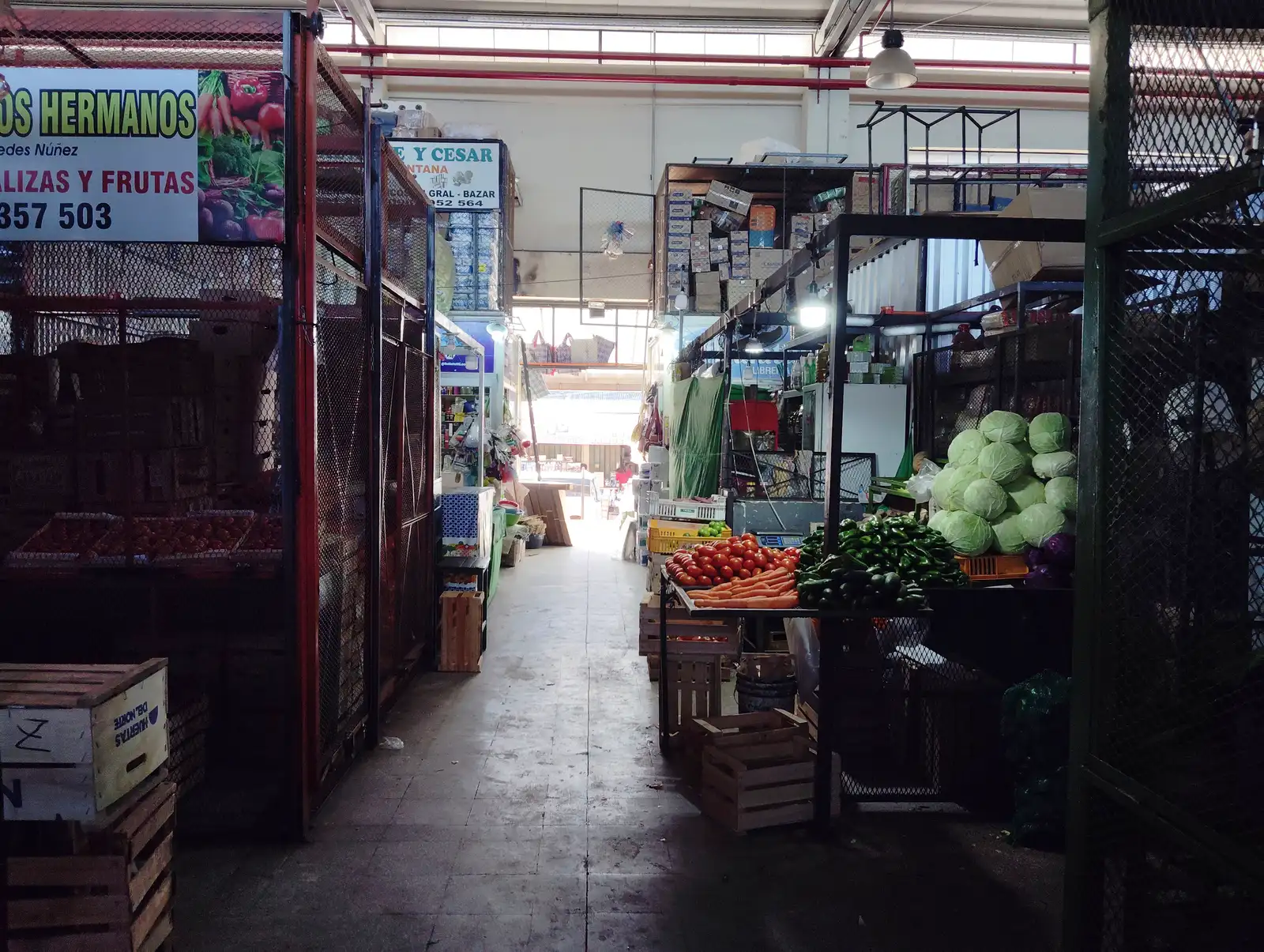
Grocery shopping in Paraguay happens across three very different kinds of place, and most settled residents use all three in the same week. There are the large supermarket chains for packaged goods, cleaning products, and one-stop convenience. There are the tiny neighborhood despensas, the corner shops you run to for bread, eggs, or a cold drink. And there are the sprawling municipal and farmers markets where fruit, vegetables, and meat cost the least and taste the freshest.
The mistake newcomers make is doing all their shopping inside a single air-conditioned supermarket because it feels familiar. That works, but it is the most expensive way to eat here. The people who get the cost of living down to the numbers you read about split their shopping: markets for produce and meat, a despensa for daily top-ups, and the supermarket only for what the first two do not stock. Learn that rhythm in your first month and your food budget drops noticeably.
Paraguay's Supermarket Chains: Who Sells What
The big chains are where most expats start, and they are perfectly good. Superseis and Stock are the established full-size supermarkets, Biggie runs smaller convenience-style stores that stay open late, and Real and Arete cover the more upmarket end with wider imported ranges. Prices between them vary more than you would expect, so it pays to compare rather than default to the nearest one.
A large chain gives you the predictable things: packaged pasta, rice, canned goods, dairy, frozen items, cleaning supplies, toiletries, and a decent butcher counter. Card payment is universal, many locations have parking, and the bigger branches carry at least a small international aisle. What you pay for that convenience is a markup on fresh produce, which almost always costs more inside the supermarket than at a market a few blocks away.
As of 2026 these figures are approximate and move with inflation, but the pattern holds: supermarkets are mid-priced for staples and pricey for fresh and imported goods.
If you are still choosing where to live, proximity to a good supermarket is worth factoring in. The guide to the best neighborhoods in Asunción covers which barrios put a Superseis or Biggie within walking distance, which matters more than you think when you do not own a car.
Neighborhood Despensas and Corner Stores in Paraguay
The despensa is the small family-run shop on almost every residential block, and it is the backbone of everyday grocery shopping in Paraguay. You use it for the quick things: a loaf of bread, a dozen eggs, a bottle of oil, a cold Coca-Cola, a bag of yerba mate. Prices are usually a touch higher than the supermarket on branded goods, but you save the trip and you build a relationship with the owner, who will often extend informal credit once they know your face.
Despensas shine for freshly baked bread, eggs, and small daily needs, and many double as the place you buy a chipa in the morning. Alongside them you will find carnicerías (butchers), verdulerías (greengrocers), and panaderías (bakeries) as standalone specialists. Buying meat from a dedicated carnicería and vegetables from a verdulería often beats both the supermarket and, on some items, the market.
Getting comfortable with these small shops is part of settling in, something the guide to your first 30 days in Paraguay treats as an early practical win rather than an afterthought.
Farmers and Municipal Markets for Fresh Food in Paraguay
The cheapest, freshest food in the country comes from the markets. Asunción's Mercado 4 is the giant, a chaotic maze of stalls selling fruit, vegetables, meat, fish, herbs, spices, and yerba mate at prices that make the supermarket look expensive. Mercado de Abasto is the main wholesale hub, and most neighborhoods have a smaller feria or municipal market, sometimes on set days of the week.
Shopping a market takes more effort. You carry your own bags, you pay cash, you learn which stalls are fair, and you accept that the experience is loud and a little overwhelming at first. In return, produce and meat cost meaningfully less than at any chain, and the quality of seasonal fruit and vegetables is usually higher because it moved from farm to stall in a day or two. Go early for the best selection, bring small-denomination cash, and do not expect anyone to speak English.
A little Spanish, even broken, changes how you are treated at the stalls.
What a Typical Weekly Grocery Shop Costs in Paraguay
Here is the part you came for. For one person cooking most meals at home and mixing market produce with supermarket staples, a weekly food shop runs roughly $60 to $90 as of 2026, about $250 to $400 over a month. A couple lands closer to $100 to $150 a week. The low end is a basket of mostly local products; the high end allows for some branded and imported extras, and a cart full of foreign labels overshoots both quickly.
The table below shows approximate 2026 prices for common items. Treat every figure as a hedged range, not a fixed price, because both season and the exchange rate against the US dollar move them. Shelf tags are in guaraníes, so the currency's strength matters too: it has gained about 23% versus the US dollar over the period from January 2025, which lifts the dollar figure even for items whose local price has not budged.
| Item | Approx. price in USD (2026) |
|---|---|
| Beef, 1 kg, ground beef to tenderloin (about ₲55,000–62,000) | $9–10 |
| Chicken, 1 kg | $2.50–4 |
| Eggs, dozen | $1.50–2.50 |
| Rice, 1 kg | $1–1.50 |
| Mandioca (cassava), 1 kg | $0.50–1 |
| Tomatoes, 1 kg | $1–2 |
| Bananas, 1 kg | $0.80–1.50 |
| Bread, fresh, 1 kg | $1.50–2.50 |
| Local cheese, 1 kg | $5–8 |
| Milk, 1 liter | $1–1.50 |
| Yerba mate, 500 g | $2–4 |
| Local beer, 1 liter | $1.50–2.50 |
| Imported cheese or coffee | $10–20+ |
A whole week of local staples for one person, built from that list, lands in the lower half of that weekly range. It is the imported line at the bottom that quietly doubles a bill, which is the single most important thing to understand about food costs here.
Cheap Versus Expensive Groceries in Paraguay
Paraguay grows and raises most of what its people eat, and anything local is genuinely cheap. Beef is the headline: this is cattle country, and despite a 32.5% jump in beef prices from January 2024 to May 2026, per the Central Bank, a good cut still costs a fraction of North American or European prices. Chicken, eggs, rice, mandioca, seasonal vegetables, tropical fruit, and fresh bread all sit at prices that surprise newcomers in the best way. Local dairy and the national beer brands are affordable too.
The expensive column is almost entirely imported. European cheeses, specialty and single-origin coffee, foreign chocolate, breakfast cereals, peanut butter, maple syrup, craft or imported beer, wine beyond the basic Argentine bottles, and anything labeled "organic", "gluten-free", or "diet" all carry a steep premium because they cross a border and clear customs to reach the shelf. Personal-care and cleaning brands you recognize from home cost more than their local equivalents.
The rule of thumb is simple: if it grew or grazed in Paraguay, it is cheap; if it was shipped in, you pay for the shipping.
Food budget sorted, paperwork next? A short intro call covers how the residency process in Paraguay runs, how many trips it takes, and what each package includes. Get in touch.
Local Staples to Buy: Mandioca, Beef, Yerba Mate and Chipa
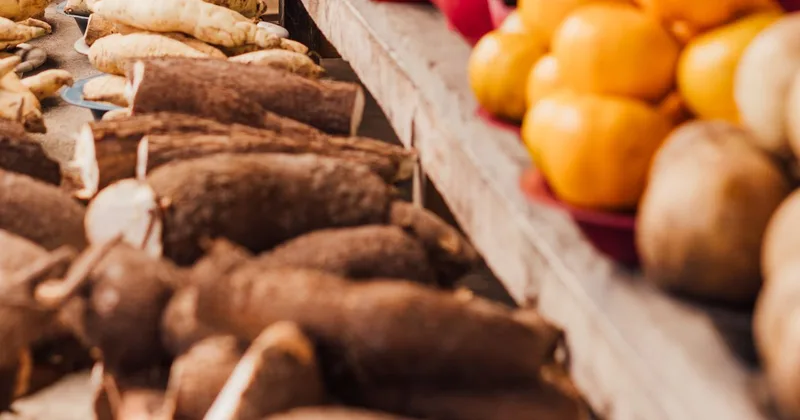
Eating well and cheaply here means eating like a Paraguayan, and the local staples are worth getting to know. Mandioca (cassava) is the national carbohydrate, served boiled alongside almost every meal, and it costs almost nothing. Beef anchors the diet, whether grilled as asado or in stews, and buying it from a market carnicería gets you the best price. Tropical fruit rotates with the season: mangoes, papaya, pineapple, oranges, and bananas are abundant and cheap when in season.
Then there are the cultural staples no kitchen here is without. Chipa, the chewy cheese bread made with mandioca starch, is sold everywhere for around a dollar and is a breakfast institution. Yerba mate is the other essential, brewed hot as mate or cold as the ubiquitous tereré, and a bag lasts a while for the couple of dollars it costs. Sopa paraguaya (a savory cornbread, not a soup) and chipa guasú round out the local pantry.
Leaning into these staples is not just about saving money, though it does that; it is the fastest way to eat the way the country actually eats.
Finding International and Specialty Groceries in Paraguay
If you cannot live without certain foreign products, you can find most of them, at a price. The upmarket supermarkets, Real and Arete in particular, carry the widest imported ranges: European cheeses, international snacks, foreign wines, specialty sauces, and branded goods aimed at expats and wealthier locals. Asunción also has specialist shops for specific cuisines, and the Asian and Middle Eastern grocers around the center stock spices, sauces, and ingredients the big chains skip.
Availability is inconsistent, which is the frustrating part. A product you relied on last month may vanish for weeks when a shipment does not arrive, so settled expats learn to stock up when they see something and to build recipes around what is reliably available rather than what they used to buy at home. Over time most people import less and cook more locally, both because it is cheaper and because the local produce is good.
If you are budgeting a move around costs like these, the full cost of living in Paraguay for 2026 breaks down food alongside rent, utilities, and everything else.
Grocery Delivery Apps and Online Shopping in Asunción
Delivery has arrived in the capital, and it is convenient. Apps such as PedidosYa and Monchis deliver groceries and prepared food across Asunción, and several supermarket chains offer their own delivery or click-and-collect through their websites and apps as of 2026. For a busy week, or when you simply do not want to carry bags home in the summer heat, ordering staples to your door is a genuine option.
The trade-off is cost and coverage. Delivery adds a fee and sometimes a markup, the app prices skew toward supermarket rather than market rates, and coverage is strongest inside Asunción and its immediate suburbs, thinner elsewhere. Fresh market produce, the cheapest food in the country, mostly stays off the apps. Most residents I know use delivery for convenience top-ups and heavy or bulky items, then still do their produce and meat shopping in person where the real savings are.
Money-Saving Tips for a Cheaper Food Budget in Paraguay
The single biggest saving is buying produce and meat at markets rather than supermarkets, and cooking with what is in season instead of chasing imported ingredients. Beyond that, a handful of habits add up. Carry cash for the markets and despensas, since cash sometimes gets you a better price and always avoids card hassle at small stalls. Buy staples like rice, oil, and yerba in larger quantities when you find a good price.
Learn which despensa and which market stalls near you are fair, and become a regular; loyalty is quietly rewarded here.
Compare the chains rather than defaulting to one, because the same branded item can cost noticeably more at an upmarket store than at Superseis or Stock. Where you live shapes your grocery bill too, since a walkable neighborhood with a market nearby saves both money and taxi fares; the guide to renting an apartment in Paraguay is worth reading before you sign a lease with that in mind.
Do all of this and grocery shopping in Paraguay settles into one of the cheapest lines in your monthly budget, which is exactly the reputation the country has earned.
On the tax side, under Paraguay's territorial tax system, genuinely foreign-source income, such as dividends or a pension paid from abroad, in principle stays outside the Paraguayan tax net once you are tax-resident under Paraguayan law, something a local contador can confirm. Work you carry out while living here can count as Paraguayan-source income, though, and the US keeps taxing its citizens and green-card holders on everything they earn, wherever they settle.
Want the residency costs in plain figures? Every tier of help carries a clear, published price. Check the pricing.
Frequently Asked Questions About Food Shopping in Paraguay
How much does grocery shopping in Paraguay cost per week?
A single person cooking at home and mixing market produce with supermarket staples spends roughly $60 to $90 a week as of 2026, and a couple around $100 to $150. These are approximate ranges. Filling the basket with imported brands pushes the figure up quickly.
Where is the cheapest grocery shopping in Paraguay?
The municipal and farmers markets, such as Asunción's Mercado 4, are the cheapest place to buy fresh food. Produce, meat, and yerba mate cost meaningfully less there than at any supermarket chain. You carry your own bags and pay cash, but the savings and freshness are real.
What food is cheap when grocery shopping in Paraguay?
Anything local is cheap: beef, chicken, eggs, rice, mandioca, seasonal vegetables, tropical fruit, fresh bread, local cheese, and national beer brands. Paraguay grows and raises most of what it eats, so home-grown staples stay affordable. Imported and specialty products are where costs climb closer to Western levels.
Are there grocery delivery apps for shopping in Paraguay?
Yes. Apps such as PedidosYa and Monchis deliver groceries and prepared food across Asunción, and several supermarket chains run their own delivery or click-and-collect as of 2026. Delivery adds a fee and coverage is strongest in the capital. The cheapest market produce mostly stays off the apps.
Can I find international products when grocery shopping in Paraguay?
Mostly, at a premium. Upmarket chains like Real and Arete carry the widest imported ranges, and specialist Asian and Middle Eastern grocers stock ingredients the big supermarkets skip. Availability is inconsistent, so stock up when you find what you need rather than assuming it will still be there next month.
What are the main supermarket chains for grocery shopping in Paraguay?
Superseis and Stock are the established full-size supermarkets, Biggie runs smaller late-opening convenience stores, and Real and Arete cover the upmarket end with broader imported ranges. Prices vary between them, so comparing is worth it. All accept cards, and the larger branches carry a small international aisle.
Is beef really cheap when grocery shopping in Paraguay?
Yes. Paraguay is major cattle country, and beef is one of the best-value foods here, especially bought from a market butcher or a dedicated carnicería. At Asunción's Mercado de Abasto in April 2026, tenderloin reached about ₲62,000 a kilo and dark ground beef about ₲55,000, roughly $9 to $10, still a fraction of North American or European prices even though beef has grown noticeably dearer since 2024.
Do I need to speak Spanish for grocery shopping in Paraguay?
Not for the supermarkets, where card payment and self-service carry you through. For the markets and small despensas, basic Spanish helps a lot, since vendors rarely speak English. Even broken Spanish changes how you are treated at the stalls and often gets you a fairer price.
Disclaimer: This article is general information. Grocery prices in Paraguay change with season and inflation. Treat all figures as approximate.

About the author
Yannick Schroth
Founder · Paraguay relocation support
Spends regular time in Paraguay and, with his team on the ground in Asunción, guides international nomads, entrepreneurs and investors through residency, the cédula and the RUC paperwork.
Note: this article reflects the position at the time of publication. Laws, prices and deadlines can change, so individual details may since be out of date. Check the current rules before you act on them: we answer questions about residency and our services, while the tax treatment of your own case belongs with a qualified tax adviser.