You have read that Paraguay is cheap, but "cheap" is not a budget. Before you book a flight or sign a lease, you want real figures: what a month actually costs once rent, food, power, transport, and health cover are paid. This guide breaks down the cost of living in Paraguay for 2026 with honest monthly numbers in US dollars for Asunción, the capital where most newcomers land.
I spend regular time in Paraguay and my team works on the ground in Asunción, so the ranges below reflect what people genuinely spend, not a backpacker fantasy or a luxury brochure.
What the Cost of Living in Paraguay Adds Up To in 2026
A comfortable single life in Asunción costs approximately $1,200 to $1,700 a month as of 2026. That figure covers a modern one-bedroom apartment in a good area, groceries, utilities, local transport, private health cover, and a normal social life. A couple sharing a home lands closer to $2,000 to $2,600. A family with school-age children sits higher, mainly because private schooling is the single largest line item once you have kids.
Those numbers assume you live like a resident, not a tourist. Eating in restaurants every night, renting in a serviced tower, and importing your old-country habits will push the cost of living in Paraguay far above the ranges here. Living the way locals and settled expats do keeps it low. The table below shows the typical monthly spread for one person; the sample budgets later in this guide build it out for couples and families.
| Monthly category | Typical cost in USD (2026) |
|---|---|
| Rent, modern one-bedroom in a good area | $500–900 |
| Groceries | $250–400 |
| Utilities (electricity, water, gas, garbage) | $45–120 |
| Internet and mobile | $35–70 |
| Local transport | $45–120 |
| Private health cover (local plan) | $80–350 |
| Dining out and leisure | $150–350 |
| Comfortable single total | $1,200–1,700 |
Treat every range as approximate and as of early 2026. Prices in Paraguay move with inflation and with the exchange rate against the US dollar, and an imported-goods bill behaves very differently from a locally sourced one.
Why the Exchange Rate Moved These Numbers in 2026
One caveat deserves more than a passing line this year, because it changes what every dollar figure above is worth. The guaraní has been strengthening, not weakening, and a cost-of-living guide priced in dollars quietly gets more expensive when that happens.
Between 2 January 2025 and 21 August 2026 the guaraní appreciated 23.0% against the US dollar. The rate went from about G. 7,866 to below G. 6,000, and by the end of August 2026 the dollar was trading near levels last seen in 2018. The US dollar index fell only 9.7% over the same window, so most of the move is Paraguayan rather than a weak-dollar story.
The practical effect is easiest to see in a fixed foreign income. US$2,000 a month converted to roughly 15.7 million guaraníes in January 2025, and to about 12.0 million by late August 2026. A budget in dollars lost close to a quarter of its local reach without a single Paraguayan price rising.
That is why the guaraní amounts in this guide are the more durable half of every figure, and the dollar equivalents the more volatile one. The Central Bank has ruled out intervening to weaken the currency, and its own analysts' panel expects the dollar around G. 6,150 by December 2026, so treat the conversions here as a snapshot rather than a fixed rate. If you are moving on a fixed pension or a dollar salary, run your own numbers at the rate you would actually convert at.
Rent and Housing: The Biggest Line in Your Asunción Budget
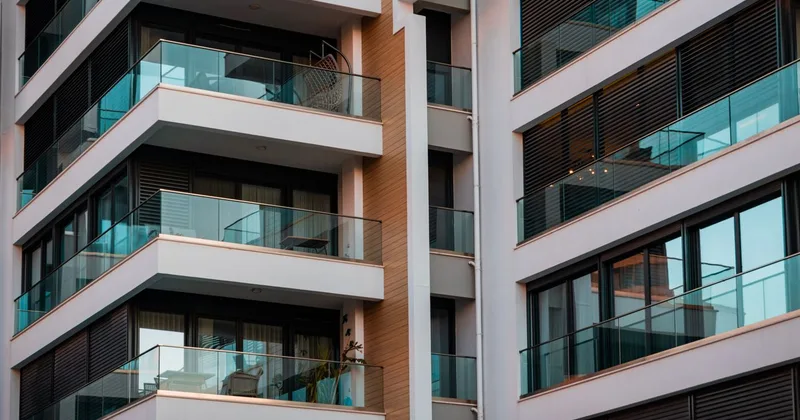
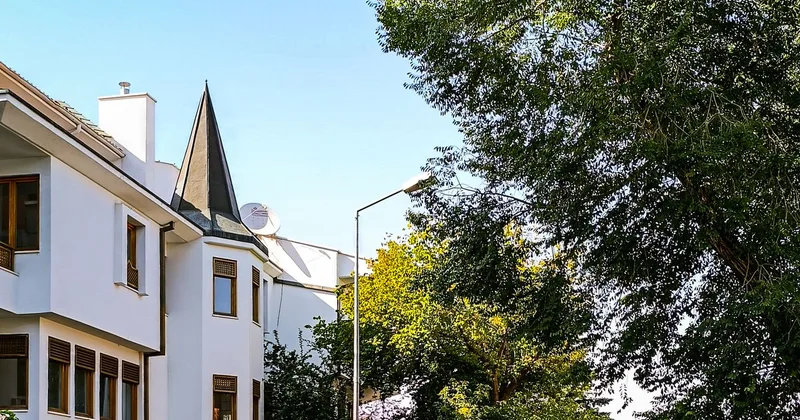
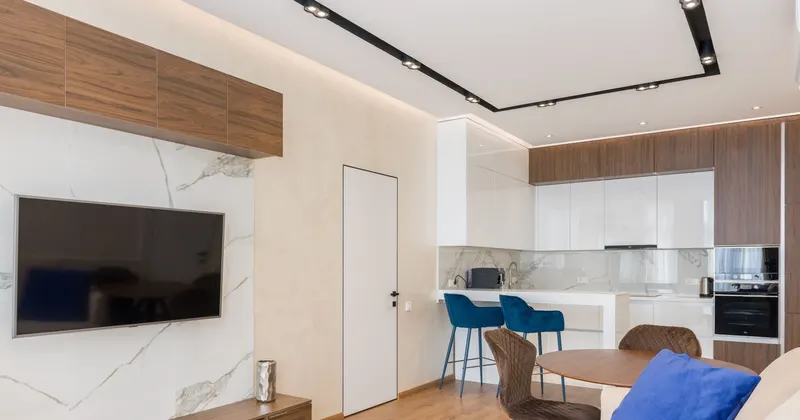
Rent is where your cost of living in Paraguay is decided. A modern, furnished one-bedroom apartment in a desirable Asunción neighborhood runs roughly $500 to $900 a month as of 2026. Drop to an older unit or a less central barrio and you can pay $350. Move into a new tower with a pool, gym, and 24-hour security, and $1,000 to $1,400 is realistic.
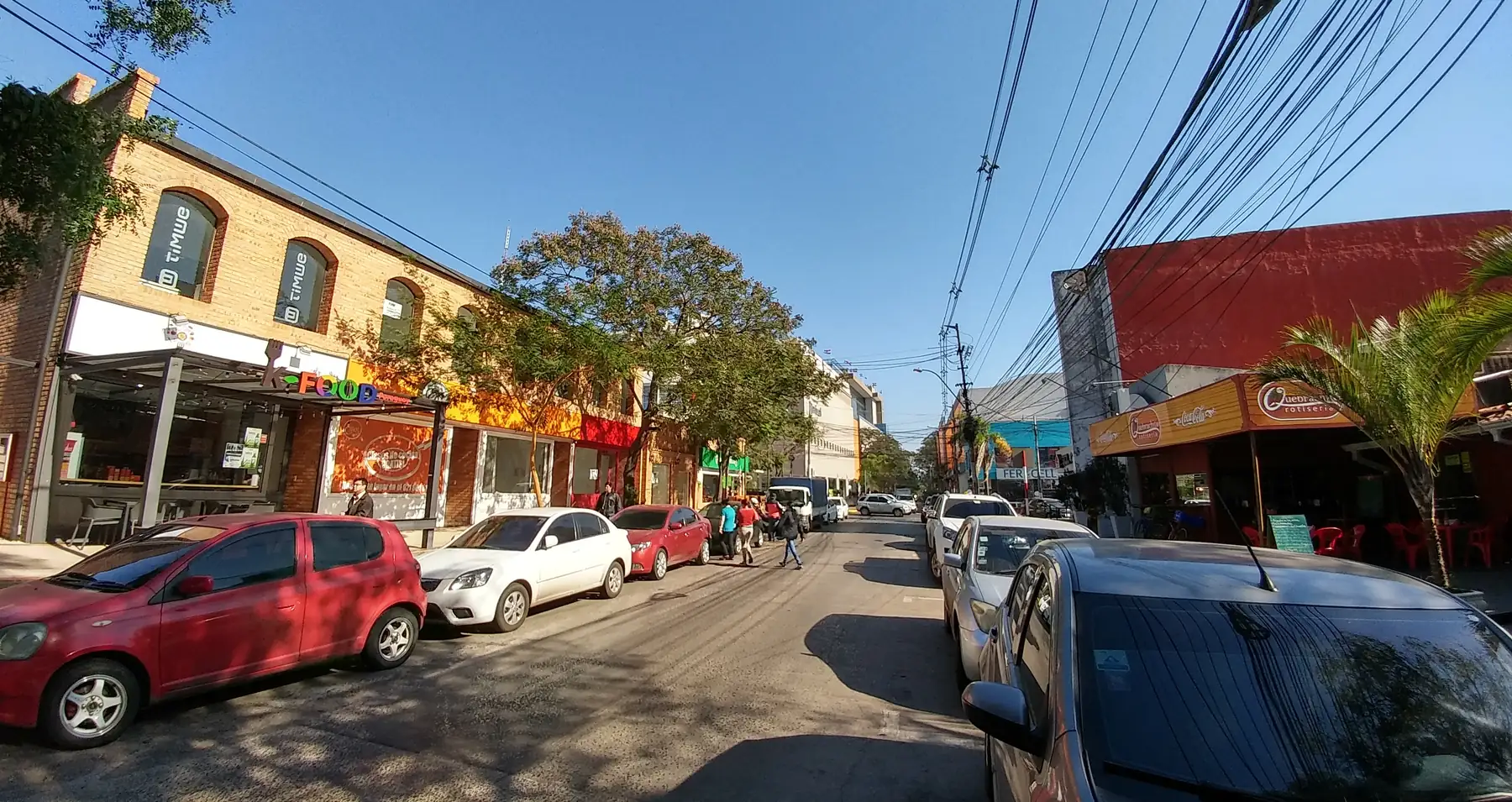
The neighborhoods that draw newcomers cluster in the city's central-east: Villa Morra, Las Mercedes, Recoleta, and Carmelitas, where cafes, supermarkets, and clinics sit within walking distance. A two-bedroom in these areas typically falls between $700 and $1,100. Families often prefer a house with a yard in a quieter zone, which can mean $1,000 to $1,800 depending on size and finish. For a street-by-street sense of which area fits which budget, see the guide to the best neighborhoods in Asunción.
One practical note. Many landlords quote higher-end units in US dollars and local ones in guaraníes, and most ask for a one-month deposit plus a guarantor or several months upfront, a process the guide to renting an apartment in Paraguay walks through in detail. Furnished short-term rentals cost more per month but save you the upfront furniture spend, which matters for a first year while you decide where to settle.
Food and Grocery Costs in Paraguay
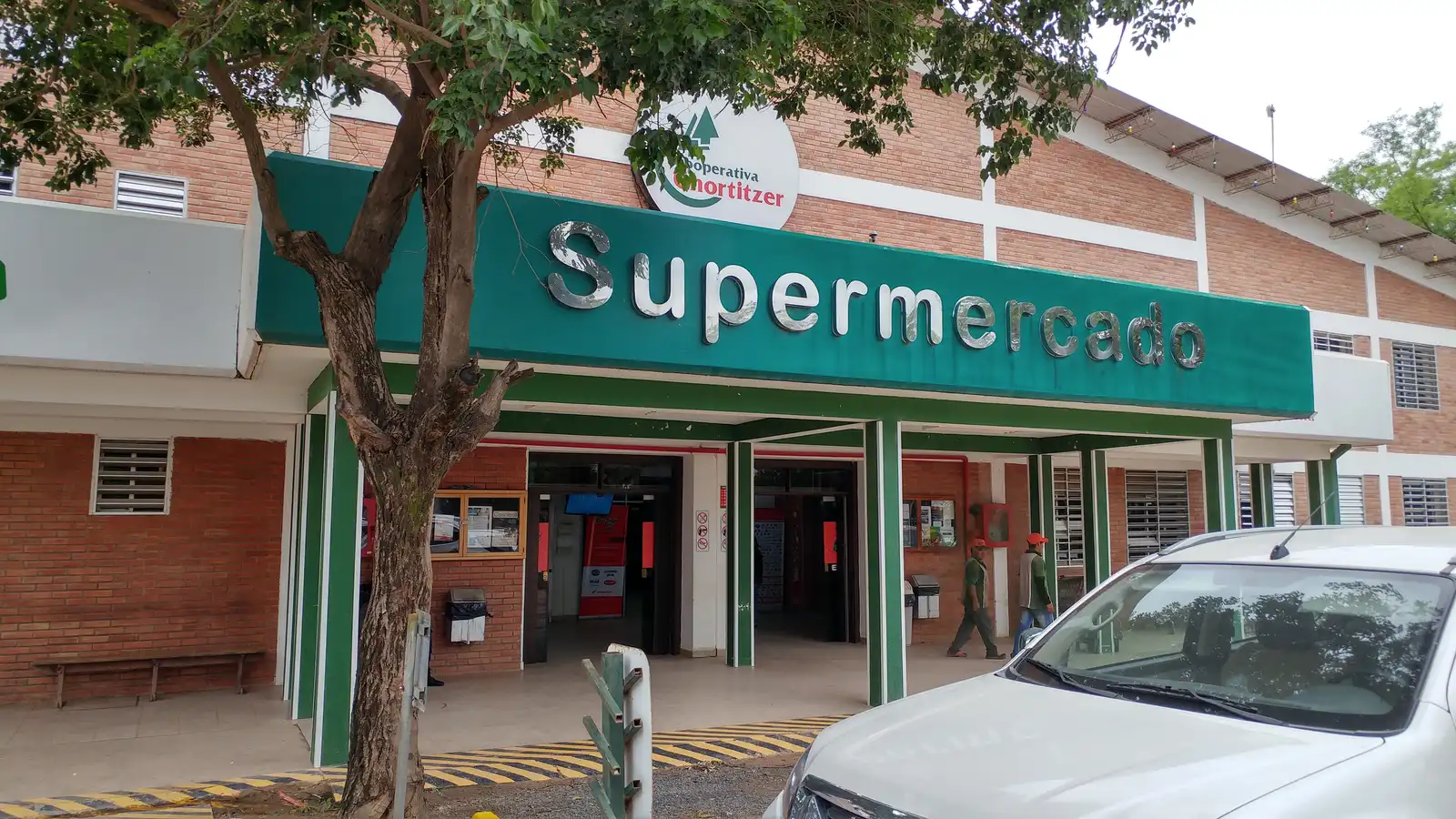
Groceries for one person run approximately $250 to $400 a month, depending heavily on how much imported product ends up in your basket. Local produce, beef, chicken, eggs, rice, and bread are genuinely cheap. Paraguay is a major beef producer, and good cuts cost a fraction of what they do in North America or Europe. Fruit and vegetables from a neighborhood market or Asunción's sprawling Mercado 4 cost less than the supermarket and often taste better.
Where the bill climbs is imported and branded goods. European cheese, specialty coffee, foreign snacks, and anything labeled "diet" or "organic" carries a premium.
A shopper who cooks with local ingredients spends near the bottom of that range; one who fills a cart at Superseis or Biggie with imported brands lands at the top, a split the guide to grocery shopping in Paraguay breaks down aisle by aisle. Street food stays cheap throughout: an empanada or a chipa costs about a dollar, and a full lunch at a neighborhood comedor runs $4 to $7.
Utilities, Internet, and Phone Costs in Asunción
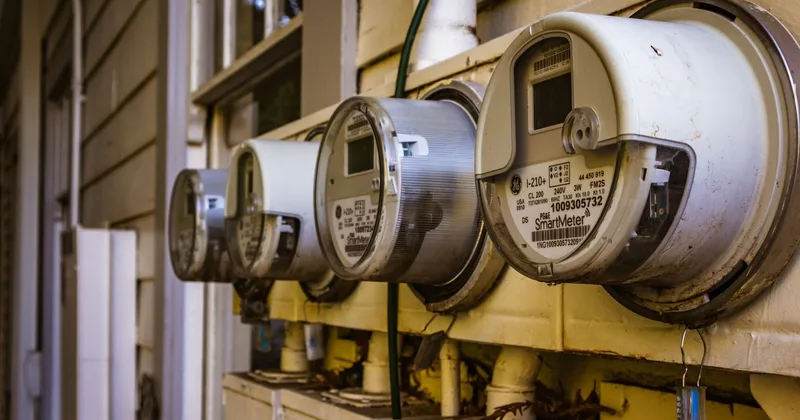
Utilities are a modest part of the cost of living in Paraguay, with one seasonal spike. Electricity from ANDE is cheap by international standards for most of the year, but Asunción's summer runs hot, and running air conditioning from December through February can double your power bill. Budget roughly $45 to $120 a month for electricity, water, cooking gas, and garbage collection combined in the milder months.
In summer, with the air conditioning running, electricity alone typically reaches about $110 to $140 a month per household. The breakdown of utility costs in Paraguay itemizes each supplier.
Home internet is fast and affordable in the capital. A fiber plan from Tigo, Personal, or Claro runs about $20 to $50 a month. Mobile plans are inexpensive, with generous data packages around $10 to $25. Together, internet and a phone line rarely exceed $75 for one person, and that connectivity is a large part of why remote workers find the cost of living in Paraguay so workable. Cooking gas usually arrives as a refillable cylinder rather than a piped supply, an adjustment for newcomers but a cheap one.
Getting Around: Transport Costs in Paraguay
Local transport is one of the lightest lines in the cost of living in Paraguay. A city bus ride costs well under a dollar, and app-based rides through Bolt, Uber, or the local MUV are cheap enough that many residents skip car ownership entirely. A typical cross-town ride costs $3 to $6. Someone relying on a mix of buses and ride apps spends roughly $45 to $120 a month.
Owning a car changes the picture. Fuel, insurance, parking, and maintenance push a car-owning household toward $200 to $300 a month all in, though used vehicles are relatively affordable to buy. Families usually want a car for school runs and weekend trips; single remote workers rarely need one, since central Asunción is walkable and ride apps cover the rest. Public buses are functional rather than polished, so many expats settle on ride apps as the comfortable middle ground.
Health Insurance and Medical Costs in Paraguay
Private healthcare is one of the best-value pieces of the cost of living in Paraguay. A local private health plan costs approximately $80 to $350 a month per adult, rising with age and coverage level, while international cover runs roughly $180 to $550. Insurance is not a residency requirement, but it is strongly recommended. That buys access to modern private hospitals such as the Sanatorio Migone or Hospital Bautista, with short waits and, at the larger centers, doctors who speak English or German.
Out-of-pocket care is affordable even without insurance. A private GP visit runs $20 to $40, and many prescriptions cost less than they would at a European pharmacy. Most settled residents carry a private plan for hospital cover and pay cash for minor visits. Costs and plan structures vary widely by provider and age, so compare before committing; the dedicated guide to health insurance in Paraguay walks through the main plans and what each one includes.
Budget looks workable and residency is the next question? A short intro call covers the residency and cédula side of the move, from documents to timing, so you know what the paperwork involves before you commit. Get in touch.
Leisure, Dining, and Lifestyle Costs in Asunción
A normal social life adds roughly $150 to $350 a month for one person. Dining out is where Asunción quietly shines. A good three-course dinner with wine at a mid-range restaurant costs $15 to $25 per person, and a casual meal far less. A specialty coffee runs $3 to $4, a cinema ticket around $5, and a monthly gym membership $25 to $50.
Weekends are inexpensive by design. Sharing tereré in a plaza costs nothing beyond the yerba, and a weekend away to San Bernardino or the interior is affordable on almost any budget. Alcohol and imported wine cost more than the food around them, and a night out at a rooftop bar in Villa Morra will not feel cheap. Overall, leisure spending in Paraguay stays moderate if you favor local venues over imported brands.
Paraguay taxes income on a territorial basis, which the tax system guide explains; US citizens and green-card holders remain taxed on worldwide income regardless of where they live, and Paraguayan residency does not change that. The mechanics are covered in the guide to Paraguay tax residency and 0% territorial tax.
Sample Cost of Living in Paraguay for a Single Person
For a single remote worker who wants comfort without extravagance, a realistic monthly budget in Asunción looks like this as of 2026.
| Category | Monthly USD |
|---|---|
| Rent, modern one-bedroom, good area | $600 |
| Groceries | $300 |
| Utilities (power, water, gas) | $85 |
| Internet and mobile | $50 |
| Transport (buses and ride apps) | $70 |
| Private health cover | $130 |
| Dining out and leisure | $250 |
| Total | ~$1,485 |
That is a genuinely comfortable life: a nice apartment, eating out several times a week, private health cover, and money left over each month. Trim the restaurant and leisure line and you can live well under $1,200. This is the number that makes the cost of living in Paraguay so attractive to freelancers whose income is earned in stronger currencies.
A Couple's Monthly Budget in Asunción
Two people sharing a home spend less than double a single person, because rent, utilities, and internet are shared. A couple's cost of living in Paraguay typically lands between $2,000 and $2,600 a month for a comfortable lifestyle.
| Category | Monthly USD |
|---|---|
| Rent, two-bedroom, good area | $850 |
| Groceries | $500 |
| Utilities and connectivity | $170 |
| Transport | $150 |
| Private health cover (two adults) | $300 |
| Dining out and leisure | $400 |
| Total | ~$2,370 |
Couples who own a car or favor imported groceries and frequent restaurant dinners push toward $3,000. Those who live more locally sit comfortably under $2,200. The shared-cost effect is real: the second person adds far less than the first person's full budget, which is why couples often report Paraguay feeling even cheaper per head than singles do.
Cost of Living in Paraguay for a Family of Four
Families face one line item singles and couples do not: private school. Public schooling is free but rarely chosen by expat families. Private schools charge roughly $2,000 to $6,000 per child a year, bilingual schools about $4,000 to $8,000, and international schools $6,000 to $10,000 or more before one-off entrance fees; the guide to schools in Paraguay compares the main options. That single factor makes the cost of living in Paraguay for a family the widest-ranging of the three profiles.
| Category | Monthly USD |
|---|---|
| Rent, three-bedroom house or apartment | $1,100 |
| Groceries | $700 |
| Utilities and connectivity | $220 |
| Transport (car ownership) | $250 |
| Private health cover (family) | $500 |
| Private school, mid-priced (two children) | $600 |
| Dining out and leisure | $400 |
| Total | ~$3,770 |
A family living carefully with modest school fees can hold near $3,200; one at international schools with two cars and imported tastes can pass $5,000. Even at the top of that range, the cost of living in Paraguay for a family stays well below the equivalent in most North American, Australian, or Western European cities, where housing and schooling alone would swallow the whole figure.
Every figure above assumes you are actually here, month after month, rather than visiting. That assumption is what the immigration and tax side rests on too, which is why the permanent residency conversion matters to anyone planning past the second year.
Filed as its own application from month 21 of temporary residency, it swaps the two-year temporary status for indefinite permanent status (the card is renewed every ten years) and a lighter presence rule of at least one entry every three years, although applications filed since 6 July 2026 must include a solvency proof.
How These Figures Compare to Numbeo and the Aggregators
Almost everyone researching this checks Numbeo first, so the useful thing is to say plainly where we agree with it, where we do not, and why.
Numbeo's Asunción page, last updated 6 August 2026, works in guaraníes. Converted at roughly ₲6,030 to the dollar, the mid-August reference rate, it reads like this next to the budgets above.
| Numbeo line | Guaraníes | ≈ USD | This guide |
|---|---|---|---|
| Single person, monthly, excluding rent | ₲3,524,565 | ~$585 | — |
| One-bedroom, city center | ₲3,647,778 | ~$605 | $500–900 |
| One-bedroom, outside center | ₲2,205,714 | ~$366 | — |
| Three-bedroom, city center | ₲6,128,955 | ~$1,016 | $1,100 |
| Basic utilities, 85 m² | ₲290,982 | ~$48 | $45–120 |
| Internet | ₲128,546 | ~$21 | $30–75 with mobile |
| Meal, inexpensive restaurant | ₲42,500 | ~$7 | — |
Where the two agree is rent, which is reassuring because rent is the line with the most public evidence behind it. Numbeo's $605 for a central one-bedroom sits in the middle of our $500 to $900 range, and its three-bedroom figure lands within a hundred dollars of the $1,100 in our family budget.
The differences are explainable rather than mysterious. Numbeo's single-person total excludes rent and excludes health cover, which is not a rounding error: the Health Ministry's public hospitals are free for residents under Ley 5099/2013, but most newcomers still budget for private cover. Add our $130 policy to Numbeo's $585 plus $605 of rent and you reach about $1,320, against the $1,485 in our own single budget. The remaining gap of roughly 12% sits in dining and leisure, where a newcomer spends more than a settled local.
Two smaller gaps work the same way. The utilities line sits at the bottom of our range because an 85 m² average across the whole city is not the same as a flat running air conditioning through the December-to-February heat. The internet line is lower because ours bundles a mobile plan with it.
The Sample Problem Behind Numbeo's Paraguay Data
Numbeo's Asunción page rests on 494 entries from 36 contributors. For a metropolitan area of more than two million people that is a thin and self-selected base, and a handful of entries can shift a line noticeably from one month to the next.
That is not a reason to ignore it. It is a reason to treat it as a cross-check on figures gathered another way, rather than as a survey, and to be suspicious of any single line that looks surprising on its own.
Why Old Dollar Figures for Paraguay Are Systematically Low
This is the part no aggregator handles, and in 2026 it matters more than the sampling does. Numbeo stores prices in guaraníes and converts at today's rate. Measured from the close of 2025, when a dollar fetched about ₲6,576, to the mid-August reference of roughly ₲6,030, the guaraní has gained around 9% in 2026 alone, on top of a larger move during 2025.
An unchanged guaraní price is therefore a higher dollar price than it was at the start of the year. A USD cost-of-living figure converted at ₲7,000 to almost ₲7,900, rates seen during 2025, understates today's dollar cost by roughly 14 to 24%, without a single local price having moved. When you find a page quoting $700 all-in for Asunción, check its date before you check its arithmetic.
Whether that headwind continues is a separate question. The consensus forecast for the guaraní expects the dollar to recover through 2027, which would quietly work in your favor.
How Paraguay's Cost of Living Compares to Western Cities
The headline holds up: the cost of living in Paraguay is far lower than in most Western cities, and lower than several other popular relocation hubs. A comfortable single life here for around $1,500 a month would cost far more in a major North American or Western European city, and noticeably more in Dubai or Singapore. Rent and healthcare are where the gap is widest.
Against other tax-friendly destinations, Paraguay competes on value rather than polish. Panama and Portugal are pricier, especially for housing in their capitals; Georgia is roughly comparable on cost but offers a different lifestyle. What Paraguay gives up in infrastructure and international flight connections, it returns in a low cost of living and a straightforward path to permanent residency. If you are weighing the move itself, the step-by-step guide to moving to Paraguay covers the practical sequence from first visit to settled resident.
Want to see what the residency service itself costs? The pricing page breaks down every residency package in plain terms. See the pricing.
Frequently Asked Questions About Living Costs in Paraguay
Is Numbeo accurate for the cost of living in Paraguay?
It is a reasonable cross-check and a poor sole source. Numbeo agrees closely with our own rent figures for Asunción but excludes private health cover, understates utilities for anyone running air conditioning, and rests on 494 entries from 36 contributors. It also converts guaraní prices at today’s rate, so its dollar figures move when the currency does.
How much is the cost of living in Paraguay per month?
A comfortable single person in Asunción spends approximately $1,200 to $1,700 a month as of 2026, covering rent, food, utilities, transport, health cover, and leisure. A couple sits near $2,000 to $2,600, and a family typically $3,200 to $5,000, mostly depending on private-school choices.
Is the cost of living in Paraguay cheap for expats?
Yes, by international standards. The cost of living in Paraguay is far below most North American, Western European, and Australian cities, and lower than Dubai or Singapore. Locally sourced food, rent, and private healthcare are the biggest savings. Imported goods and international schooling are where costs climb closer to home levels.
What is the cost of rent in Asunción, Paraguay?
A modern one-bedroom apartment in a good Asunción neighborhood costs roughly $500 to $900 a month as of 2026. Older or less central units start near $350, while new towers with pools and security reach $1,000 to $1,400. Rent is the single largest part of the cost of living.
How much does a family need for the cost of living in Paraguay?
A family of four typically needs $3,200 to $5,000 a month, with the wide range driven almost entirely by schooling. Private schools run roughly $2,000 to $6,000 per child a year and bilingual ones about $4,000 to $8,000, with international schools higher still. Housing, groceries, and family health cover make up most of the rest.
Are groceries part of a low cost of living in Paraguay?
Yes. Local beef, produce, eggs, and bread are genuinely cheap, keeping a single person's grocery bill near $250 to $400 a month. Paraguay grows its own vegetables and raises its own beef, so those stay affordable. The bill rises mainly when your basket fills with imported cheese, coffee, and branded foreign products.
Is private health insurance in Paraguay affordable?
A local plan costs approximately $80 to $350 a month per adult, rising with age and coverage, and international cover about $180 to $550. That buys access to modern private hospitals with short waits. Out-of-pocket care is cheap too, with a private doctor visit around $20 to $40, making healthcare one of Paraguay's best-value categories.
How does Paraguay's cost of living compare to Panama or Portugal?
Paraguay is generally cheaper than both. Panama and Portugal carry higher rents, especially in Panama City and Lisbon, and pricier dining. Paraguay trades some infrastructure and flight connections for a lower cost of living and an accessible residency path, which is why value-focused expats often choose it.
Can you retire comfortably on a low cost of living in Paraguay?
Yes. For one retiree, about $1,200 to $1,700 a month buys a good life in Asunción, and a couple should plan on $2,000 to $2,600, covering rent, private healthcare, and an active social life, as the guide to retiring in Paraguay explores. The low cost of living in Paraguay stretches a fixed pension much further than in most Western countries, and private medical care is both good and genuinely affordable.
Legal basis and disclaimer: The cost figures here are approximate and based on on-the-ground experience, not individual financial advice, and prices change. Official Paraguayan consumer-price data is published by the Instituto Nacional de Estadística (INE) in its consumer price index (IPC). Verify current prices before you budget.

About the author
Yannick Schroth
Founder · Paraguay relocation support
Spends regular time in Paraguay and, with his team on the ground in Asunción, guides international nomads, entrepreneurs and investors through residency, the cédula and the RUC paperwork.
Note: this article reflects the position at the time of publication. Laws, prices and deadlines can change, so individual details may since be out of date. Check the current rules before you act on them: we answer questions about residency and our services, while the tax treatment of your own case belongs with a qualified tax adviser.