Before anyone moves 6,000 miles for a slower life, one question tends to override the rest: is Paraguay safe? It is a fair thing to ask about a South American country most people have never visited, and the honest answer is more reassuring than the headlines about the region suggest, without being a fairy tale.
Asunción is widely considered one of the calmer capitals on the continent, and in all my regular stays in Paraguay, with our team working on the ground in Asunción, I have never been a victim of violent crime.
What you do need to manage is petty theft, the occasional scam, and knowing which streets to favor after dark.
Is Paraguay Safe? The Short, Honest Answer
Yes, Paraguay is generally considered safe for expats and travelers, with the important caveat that it asks for the same street smarts any urban destination does. Asunción is usually described as one of South America's calmer capitals, a reputation rather than a ranking, and the risks that actually affect foreigners are overwhelmingly non-violent: pickpocketing, phone snatching, opportunistic theft from cars or homes, and financial scams. Violent crime against expats is uncommon and tends to concentrate in specific border zones and rural corridors far from where newcomers settle.
That does not mean you can switch off. Petty crime is real, rises in crowded markets and bus terminals, and punishes carelessness. The sensible way to read the safety picture in Paraguay is neither the fear-driven view that treats all of Latin America as a war zone, nor the sales-brochure version that pretends nothing ever happens. It sits in between, closer to "calm with normal precautions" than to "dangerous."
How Safe Paraguay Is Compared to Its Neighbors
Regionally, Paraguay tends to look good on paper and better in daily life. It does not carry the violent-crime reputation of parts of Brazil, nor the express-kidnapping folklore attached to a few larger Latin American capitals. Locals often describe Asunción as tranquilo, and the pace of the place backs that up: it is a low-key, unhurried capital where street life feels more provincial than menacing. Argentine and Brazilian visitors frequently remark that it feels calmer than the cities they came from.
In numbers, Paraguay recorded a murder rate of roughly 6 per 100,000 inhabitants in 2025.
The comparison is not perfect. Paraguay is a poorer country, and inequality shows up as property crime rather than as violence. The country also sits at the heart of regional smuggling routes, which shapes the risk map at the borders far more than it shapes life in the capital. For the average expat choosing between South American bases, Paraguay's safety profile is one of its quiet selling points, and it pairs with a genuinely low cost of living covered in the 2026 cost of living breakdown.
Safe and affordable is a rarer combination than it sounds.
The Real Risks: Petty Theft and Scams in Paraguay
If something goes wrong for an expat in Paraguay, it is almost always property, not personal safety. Pickpocketing and bag-snatching happen in crowded settings: the Mercado 4 market, downtown bus stops, the terminal, and packed festivals. Phone theft is the classic one, often a grab from a café table or an open car window at a red light. Home break-ins target empty houses and ground-floor apartments without bars or an alarm, which is exactly why so many Paraguayan homes have both.
Scams are the other everyday hazard, and they lean financial rather than physical. Watch for inflated "gringo pricing" in informal markets, taxi drivers who quote a fictional fixed rate instead of the meter, dodgy real-estate deals where the seller does not actually hold clean title, and online rental listings that ask for a deposit before you have seen the place. None of this is unique to Paraguay, and none of it is violent.
It rewards the same skepticism you would apply anywhere: verify, negotiate, and never wire money to someone you have not met.
Safe Neighborhoods vs Less-Safe Areas in Asunción
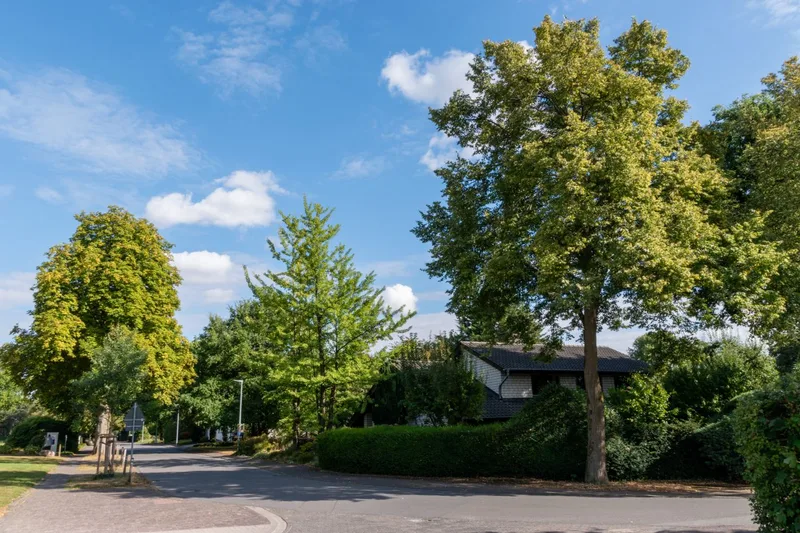
Asunción is safe unevenly, like any city, and knowing the map matters more than any single precaution. The affluent center-east neighborhoods where most expats settle, Villa Morra, Carmelitas, and Recoleta, are among the safest areas in the capital: leafy, quiet, well-lit, and thick with private security guards outside homes and businesses. You can walk these streets by day without a second thought and by night with ordinary caution. The full rundown of where to base yourself is in the guide to the best neighborhoods in Asunción.
The less-safe pockets are predictable. The area around the Mercado 4 market rewards attention to your bag and phone. The historic downtown (Centro) empties out and feels dead after office hours, so it is better admired by day. The low-income informal settlements near the riverfront, the bañados, are not places casual visitors have any reason to wander into. This is not exotic; it is the same "know which blocks change after dark" logic that applies to cities everywhere.
Stick to the neighborhoods newcomers actually live in and Asunción feels genuinely safe.
Practical Safety Precautions for Living in Paraguay
Staying safe in Paraguay is mostly a matter of unremarkable habits rather than paranoia. Keep your phone off the café table and out of sight in traffic. Use a ride-hailing app like Bolt or Uber at night instead of flagging a street taxi, which also spares you the fare haggling. Carry a modest amount of cash and leave the flashy watch at home; visible wealth is what opportunistic theft responds to.
Choose an apartment or house with the standard local features, barred windows, a gate, and ideally a portero or alarm.
A few more that seasoned residents treat as second nature. Withdraw cash from ATMs inside malls or banks during the day, not from a lonely street machine at night. Once you have a cédula, carry the card itself, since police asking for identification may not accept a photo, and leave the passport locked away at home with a picture of its data page on your phone. At traffic lights after dark, many locals leave a sensible gap to the car ahead, keep windows up, and lock the doors.
None of this is burdensome once it becomes routine, and it is genuinely most of what "staying safe" in Paraguay requires. The precautions are ordinary because the risks are ordinary.
Weighing whether Paraguay is the right fit for your move? A short intro call explains how the residency process runs and what it costs; how safe you feel in a given area is best judged on a visit. Get in touch.
Is Paraguay Safe for Solo Women Travelers and Residents
Paraguay is generally considered reasonably safe for solo women, and many expat women live here comfortably, though the honest picture includes the machismo common across the region. Street harassment, the occasional catcall or unwanted comment, does happen, more so in busy downtown areas than in the residential neighborhoods where most foreigners live. Violent crime against women in the expat context is uncommon, but the cultural backdrop is real and worth naming rather than glossing over.
The practical advice mirrors what women take for granted in most cities. Favor ride apps over street taxis at night, stay in the well-populated center-east neighborhoods after dark, and trust your instincts about a place or a person. Solo women who have lived in other Latin American countries typically find Asunción calmer and less aggressive than the bigger capitals they came from. It is not a place that requires women to hide, but like anywhere, awareness pays.
Is Paraguay Safe for Families and Children
For families, Paraguay tends to feel not just safe but welcoming, and family safety is one of the things that keeps expats here once they arrive. This is a deeply family-oriented culture where children are genuinely embraced in restaurants, shops, and public life, and where the quiet residential neighborhoods, Recoleta and Santa Teresa especially, offer the calm, low-traffic streets parents look for. The everyday environment feels settled and unhurried, which is a large part of the appeal for anyone moving with kids.
The caveats are practical rather than alarming. Road safety deserves more of your attention than crime does, since driving standards are relaxed and pedestrian infrastructure is patchy, so supervise young children near traffic. Private schools and clinics in the expat neighborhoods are solid, and the broader trade-offs of raising a family here, from healthcare to bureaucracy, are covered candidly in the honest look at the downsides of moving to Paraguay. On the safety question specifically, families generally rate Paraguay highly.
Because road accidents are the realistic risk rather than crime, visitors should check that their travel insurance for Paraguay includes medical evacuation. That is the cover that matters most if something happens outside Asunción.
Rural and Border Areas: Where to Take More Care in Paraguay
The one place the reassuring picture genuinely shifts is the frontier. Border regions, particularly around Pedro Juan Caballero on the Brazilian frontier and stretches of the remote northern departments of Concepción and Amambay, see organized crime and smuggling-related violence that has nothing to do with expat life but does raise the risk profile of those specific areas. These are not tourist destinations, and there is rarely any reason for a newcomer to spend time there.
The rest of rural Paraguay is a different story: overwhelmingly calm, agricultural, and neighborly, from the Mennonite colonies of the Chaco to the small towns of the interior. The sensible rule as of 2026 is simply to check current official travel guidance before venturing to border zones, keep to daytime travel on intercity roads, and treat the remote north with the caution it warrants. Away from those specific corridors, rural Paraguay is one of the safer countrysides in the region, not one of the more dangerous.
Everyday Safety and Quality of Life in Paraguay
Statistics and neighborhood maps only capture part of the experience. What most newcomers actually notice is a texture of daily life that feels calmer than they expected: neighbors who know each other, guards who greet you by name, a slow-moving capital where an evening walk to a café is unremarkable. That lived sense of security, more than any crime index, is what people mean when they say Paraguay feels safe. It is not the absence of risk but the absence of constant low-grade tension.
That said, safety is only one input into whether a move makes sense, and it should sit alongside the tax, cost, and lifestyle factors in the step-by-step guide to moving to Paraguay. A country can be safe and still not be the right fit, which is why the honest reckoning matters more than a reassuring soundbite.
The same plain-spoken scrutiny belongs on the money side too, so it is worth checking whether Paraguay's tax-free reputation actually holds up rather than taking the promise at face value. If safety was your main worry, though, Paraguay is unlikely to be the thing that changes your mind.
A Fair Verdict: So, Is Paraguay Safe?
The fair verdict is that Paraguay is a safe country by regional standards, and Asunción a calm capital, provided you apply normal urban common sense. The dominant risks for expats are petty theft and scams rather than violence; the safe neighborhoods are easy to identify and are exactly where newcomers settle; and the genuinely higher-risk zones are remote border corridors most people will never visit. Solo women and families both tend to rate the country well once they are here.
None of that makes precautions optional. Guard your phone, use ride apps at night, choose a well-secured home, and stay skeptical of too-good deals. Do those ordinary things and Paraguay rewards you with a quality of daily calm that surprises most arrivals. Safe, affordable, and low-drama is the honest three-word summary, and safe is the part people worry about most and end up worrying about least.
Safety question answered, residency next? The packages page lists what each residency tier covers and what it costs. View the packages.
Frequently Asked Questions About Safety in Paraguay
Is Paraguay safe for tourists and expats?
Yes, Paraguay is generally considered safe for tourists and expats, and Asunción has a reputation as one of South America's calmer capitals. The main risks are petty theft and scams rather than violent crime. Apply normal city precautions, favor the safe center-east neighborhoods, and most visitors have no trouble at all.
Is Asunción a safe city to live in?
Asunción has a reputation as one of the region's calmer capitals, and that holds most clearly in the affluent center-east neighborhoods like Villa Morra, Carmelitas, and Recoleta where most expats live. These areas are quiet, well-lit, and heavily guarded by private security. Crowded markets and the downtown after hours warrant more attention, but daily life feels calm.
What are the main safety risks in Paraguay?
The main safety risks in Paraguay are non-violent: pickpocketing, phone and bag snatching in crowded areas, opportunistic theft from cars and homes, and financial scams such as inflated pricing and dubious property deals. Violent crime against expats is uncommon and concentrated in specific border regions far from where newcomers typically settle.
Is Paraguay safe for solo female travelers?
Paraguay is reasonably safe for solo female travelers, and many expat women live here comfortably. Street harassment can occur, reflecting the regional machismo, more often in busy downtown areas than residential ones. Using ride apps at night, staying in populated neighborhoods after dark, and trusting your instincts keeps the experience straightforward.
Is Paraguay safe for families with children?
Paraguay is considered safe and notably family-friendly, with a warm culture that embraces children and quiet residential neighborhoods like Recoleta and Santa Teresa. The bigger everyday concern for families is road safety rather than crime, so supervise young children near traffic. On personal safety, most expat families rate Paraguay highly.
Which areas of Paraguay should I avoid for safety?
For safety, avoid the border regions around Pedro Juan Caballero and the remote northern departments of Concepción and Amambay, where smuggling-related crime raises the risk. In Asunción, take extra care around the Mercado 4 market, the riverfront settlements, and the downtown after office hours. Check current official travel guidance before visiting border zones.
How does Paraguay's safety compare to other South American countries?
Paraguay generally compares favorably on safety, lacking the violent-crime reputation of parts of Brazil or the express-kidnapping folklore of some larger capitals. Asunción is widely described as calmer and more provincial than neighboring cities. Inequality shows up as property crime rather than violence, so petty theft is the realistic concern rather than personal danger.
Do I need private security to feel safe in Paraguay?
You do not strictly need private security to feel safe in Paraguay, but standard local home features help. Most houses and apartments in expat neighborhoods have barred windows, gates, and often a portero or alarm, and many streets have guards. These ordinary measures, plus city common sense, are enough for the vast majority of residents.
Disclaimer: This article is general information and does not constitute safety, legal, or travel advice. Conditions in Paraguay can change; check current official travel guidance before you go.

About the author
Yannick Schroth
Founder · Paraguay relocation support
Spends regular time in Paraguay and, with his team on the ground in Asunción, guides international nomads, entrepreneurs and investors through residency, the cédula and the RUC paperwork.
Note: this article reflects the position at the time of publication. Laws, prices and deadlines can change, so individual details may since be out of date. Check the current rules before you act on them: we answer questions about residency and our services, while the tax treatment of your own case belongs with a qualified tax adviser.