Paraguay Residency & Cédula: Step-by-Step Guide (2026)
Paraguay residency and the cédula, step by step: documents, apostille, Migraciones, the 2026 rules, and the path to permanent residency and citizenship.
19 min readPractical guides to the full Paraguay residency lifecycle, from documents and the cédula application to permanent residency and citizenship.
The most important guides in this topic, for a quick overview.
Paraguay residency and the cédula, step by step: documents, apostille, Migraciones, the 2026 rules, and the path to permanent residency and citizenship.
19 min read
Move to Paraguay in 2026: the complete step-by-step relocation guide covering documents, tax residency, the trip, your cédula, and settling in.
18 min read
Paraguay permanent residency in 2026: applying from month 21 of temporary status, the documents, fees, timeline, and the path onward to citizenship.
21 min read
Paraguay citizenship is decided by the Supreme Court, not Migraciones: the Article 148 rules, what marriage does and does not change, and how it can be lost.
23 min read
Paraguay tax residency explained: how territorial taxation treats foreign income, where the RUC fits, and where people get it wrong.
17 min readParaguay offers one of the faster and more affordable routes to a second residency in the Americas. With the right documents in hand, most applicants hold temporary residency and a national ID card (cédula) within about 5 to 7 months, or 3 to 4 months on a one-trip schedule, at a fraction of the cost of golden-visa or investment-residency programs elsewhere. For globally mobile people, that cédula is the practical key that unlocks local banking, a tax ID (RUC), and, where Paraguayan law makes you tax-resident, the territorial system.
This category covers the full residency lifecycle: what to prepare before you arrive, the documents Paraguay's immigration authority (Dirección Nacional de Migraciones) requires, how the cédula application actually runs on the ground, and the path from residency toward citizenship over time. As of 2026, Migraciones fees were updated and the later permanent-residency application needs a solvency proof under Resolución DNM 407/2026, so current-year detail matters more than older secondhand accounts.
The core documents are consistent: a birth certificate and a police clearance certificate from your home country, both apostilled, or legalized through a Paraguayan consulate where your country has not joined the Apostille Convention, and translated into Spanish in Paraguay by a public translator, plus a valid passport that needs no apostille. The cédula follows the temporary residency, which runs for two years; the application for permanent status opens in its 21st month. A card alone does not make you a tax resident: that is a question of Paraguayan law for a contador, which is why residency and tax planning belong together.
Expect the process to involve one or two in-country trips: the cédula biometrics are taken in person, either on a second visit or brought forward into the first one on the one-trip route. There is no special retiree visa as in some neighboring countries; retirees, entrepreneurs, and families largely follow the same route, with profile-specific paperwork. Professional support packages are available in USD (the guided cédula package currently runs $1,400) for those who would rather not navigate the bureaucracy in Spanish alone.
If tax is your main driver, read this alongside the tax-residency pillar — the two questions ("can I legally live here?" and "does my income become 0%?") are answered by different rules and should be planned in parallel. This is general information, not legal advice; Paraguayan requirements change, so confirm the current rules with a qualified local professional before committing.
The full list of guides, sorted by most recent.
From $200,000, property in Paraguay can lead straight to permanent residency, but not the home you live in. How the Investor Pass real-estate route works.
14 min · Oct 2026
Investor Pass vs standard residency in Paraguay: cost, timing, duties, family and naturalization compared, and a simple test for which route fits you.
13 min · Oct 2026
The Investor Pass productive category: what counts toward $70,000, what the business plan needs and what five formal jobs cost a year. Do the math first.
14 min · Oct 2026
Four documents are on the official list, and your mobile phone bill is not one of them. What Paraguay accepts as proof of address, and the witness rule nobody mentions.
9 min · Sep 2026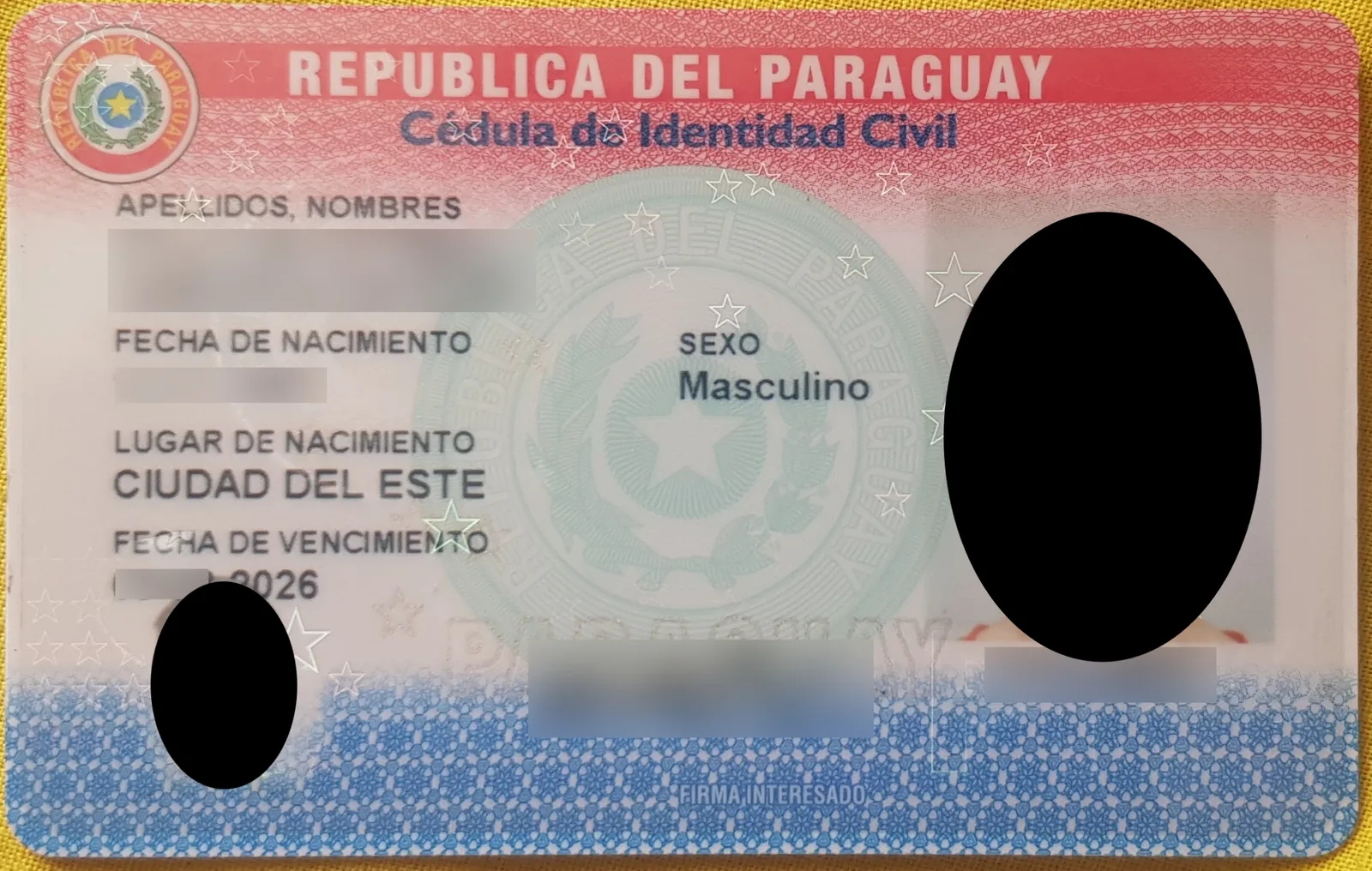
Paraguay has compulsory military service. Residents are outside it, but naturalizing puts men aged 17 to 50 on the register. What Ley 569 actually says.
6 min · Sep 2026
Sign a power of attorney for Paraguay without flying in: the notary, the apostille, the sworn translation, and the one document type it cannot cover.
9 min · Sep 2026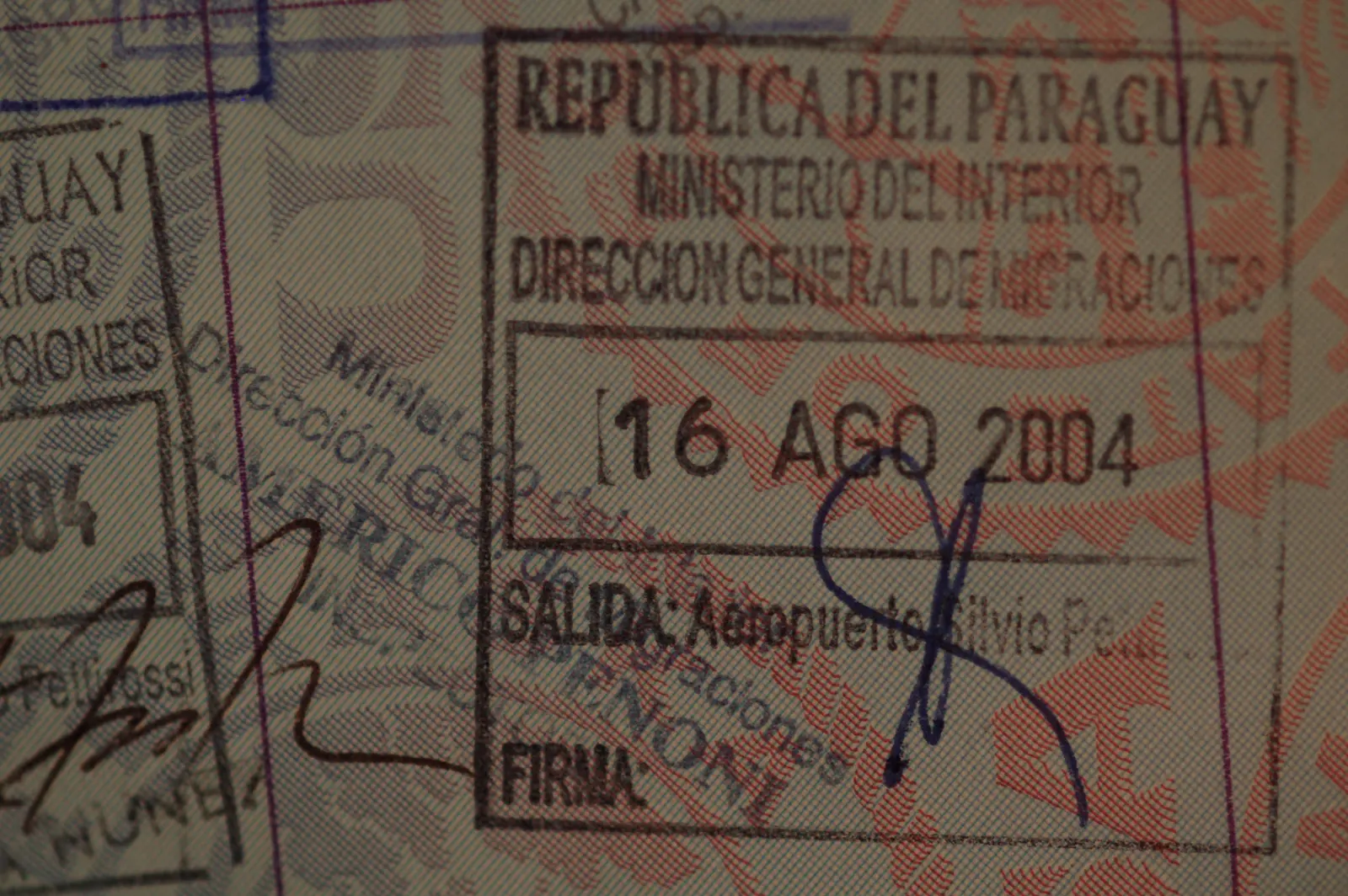
The Paraguayan passport opens around 145 destinations, including Schengen and Japan. It does not open the four that most buyers assume it does.
10 min · Aug 2026
The official Paraguay tourist visa process for visa-required nationals: online application, documents, the invitation letter, where to apply, and entry rules.
12 min · Jul 2026
Moving to Paraguay from India: the visa hurdle, the residency process, the territorial tax system, and how we handle the visa and residency file.
9 min · Jul 2026
Moving to Paraguay from Nigeria starts with a visa hurdle. Here's the honest path: entry, residency, cost, and the long road to citizenship.
8 min · Jul 2026
Moving to Paraguay from Kenya: how the visa actually works, what residency and living costs run, and where territorial tax and naturalization fit in.
8 min · Jul 2026
Moving to Paraguay from Ghana: the visa hurdle, our end-to-end help, the residency process, real costs, and the citizenship question further ahead.
9 min · Jul 2026
Moving to Paraguay from Uganda: the visa hurdle Ugandans face, how residency and the cédula process work, and how Paraguay taxes foreign income.
9 min · Jul 2026
Moving to Paraguay from Tanzania: the visa hurdle, the residency process, real costs, and how the road to Paraguayan citizenship works.
9 min · Jul 2026
What does Paraguay residency cost, all in? A 2026 breakdown of government fees, apostilles, translations, and package pricing, with a worked example in USD.
14 min · Jul 2026
The real Paraguay residency timeline for 2026: how long each stage from application to cédula takes, what stretches it, and how to plan one or two trips.
13 min · Jul 2026
Paraguay has no separate pensionado visa: retirees use the standard two-stage residency route and prove their pension only at the permanent stage.
15 min · Jul 2026
If your passport needs a visa for Paraguay, residency has an extra hurdle. How the process works for visa-required nationalities, and how we handle it.
9 min · Jul 2026
Paraguay for digital nomads: fiber internet, the territorial tax system, cost of living, residency, and an honest look at the heat and bureaucracy.
15 min · Jul 2026
The Paraguay relocation checklist for 2026: documents to apostille, what to do before you fly, and how to file for residency without wasting a trip.
14 min · Jul 2026
Your first 30 days in Paraguay, week by week: SIM, temporary housing, the residency filing, local certificates, an apartment, health cover, and what waits.
15 min · Jul 2026
The most common mistakes moving to Paraguay, from a wrong apostille order to treating the cédula as the tax finish line, and how to avoid each.
13 min · Jul 2026
The real downsides of moving to Paraguay: summer heat, slow bureaucracy, developing infrastructure, and who this quiet country is honestly not for.
13 min · Jul 2026
Paraguay Investor Pass 2026: permanent residency from $70,000 without the temporary stage. Categories, SUACE steps, documents, fees and the fine print.
20 min · Jul 2026The key questions on this topic, answered concisely.
In-depth guides to Paraguay's 0% territorial tax on foreign income, how tax residency actually works, structuring with a US LLC, and the caveat for US citizens.
Everything about daily life in Paraguay after the cédula: cost of living in USD, banking, health cover, the best neighborhoods in Asunción, and the expat community.
Book a free 30-minute intro call. We explain our packages and the residency process in Paraguay; tax questions go to our licensed partner advisors.
Book a free intro call