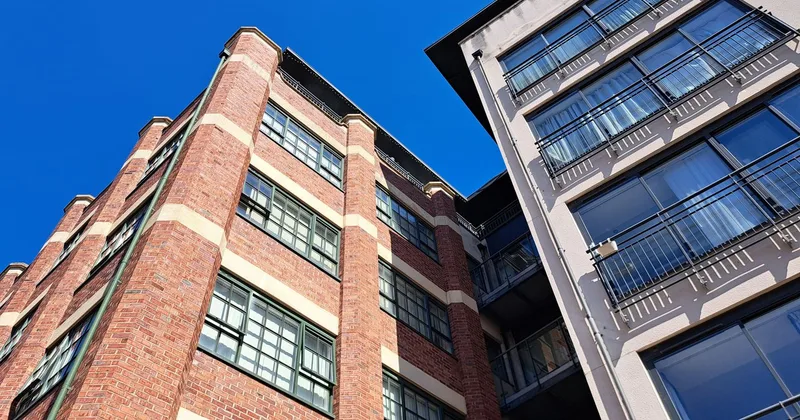
A country of 6.1 million people sounds easy to map, until you notice that the second-largest municipality is not a famous city at all but Ciudad del Este, and that the third is Luque, home of the airport. The cities in Paraguay that foreigners choose are a short list, and they differ far more in daily life than in rent. This comparison puts twelve of them side by side, using the 2022 census, our own rent research and the honest trade-offs of each.
The population figures come from the final results of Paraguay's 2022 national census, published by the statistics office INE in August 2024. Rents are for a one-bedroom apartment in US dollars, taken from our city and neighborhood guides, which are linked wherever they exist. Where we have no guide, the range comes from listings we checked in June 2026.
Cities in Paraguay at a glance: twelve places compared
Paraguay counted 6,109,903 residents in the 2022 census. Most of them live in the eastern half of the country, in a belt that runs from Asunción to Ciudad del Este and down to Encarnación. The Chaco, west of the Río Paraguay, covers more than half the territory but holds only a small share of the people. For someone moving here, that geography narrows the realistic options quickly.
| Place | Department | Population (2022 census) | From Asunción | One-bedroom rent (USD/month) | Suits |
|---|---|---|---|---|---|
| Asunción | Capital district | 462,241 | – | $450–1,200 | First year, families, remote work |
| Luque | Central | 259,705 | Airport city, next door | $320–520 | Frequent flyers, budget |
| San Lorenzo | Central | 225,395 | Adjoins the capital to the east | $280–480 | Lowest rents in the metro area |
| Lambaré | Central | 127,150 | Adjoins the capital to the south | $400–650 | River views, more space |
| Areguá | Central | 70,298 | About 30 km | $300–500 | Artists, quiet, commutable |
| San Bernardino | Cordillera | 12,216 | About 50 km | $500–900 | Lakeside life, retirees |
| Encarnación | Itapúa | 106,842 | About 370 km | $350–600 | A calmer second city |
| Hohenau | Itapúa | 12,809 | Near Encarnación | Few listings | Small-town colony life |
| Ciudad del Este | Alto Paraná | 325,819 | About 330 km | $350–600 | Trade, import, Brazil business |
| Villarrica | Guairá | 62,565 | Interior | Few listings | Traditional small city |
| Filadelfia | Boquerón (Chaco) | 20,595 | Far up the Transchaco | Almost no rental market | Agriculture, Mennonite community |
| Loma Plata | Boquerón (Chaco) | 20,545 | Far up the Transchaco | Almost no rental market | Cooperative economy |
Census figures are for the whole municipality, so they include rural areas around the town center. That matters most for places like Hohenau or Villarrica, where the urban core is much smaller than the district number suggests.
Rents vary more inside Asunción than between most of the other cities. A one-bedroom in Mburucuyá starts around $450, while the same flat in Villa Morra can reach $1,200. For that reason the capital deserves a neighborhood view, and the rest of the country a city view.
The largest cities in Paraguay are mostly suburbs
Ask which are the biggest cities in Paraguay and the answer surprises people. Eight of the ten largest municipalities are Asunción itself and the suburbs of Gran Asunción, the metropolitan area that wraps around the capital in the Central department. They grew as commuter towns and are still read by most locals as parts of one urban sprawl.
| Rank | Municipality | Population (2022 census) |
|---|---|---|
| 1 | Asunción | 462,241 |
| 2 | Ciudad del Este | 325,819 |
| 3 | Luque | 259,705 |
| 4 | Capiatá | 236,999 |
| 5 | San Lorenzo | 225,395 |
| 6 | Limpio | 139,652 |
| 7 | Pedro Juan Caballero | 127,437 |
| 8 | Lambaré | 127,150 |
| 9 | Ñemby | 116,383 |
| 10 | Fernando de la Mora | 110,255 |
Encarnación follows in eleventh place with 106,842. In other words, only two of the ten largest cities in Paraguay sit outside the capital region: Ciudad del Este and Pedro Juan Caballero, both on the Brazilian border. Capiatá, Limpio, Ñemby and Fernando de la Mora are large on paper, yet very few foreigners settle there because they offer neither the services of the capital nor the calm of a smaller town.
Asunción: where nearly every move to Paraguay starts
Almost everyone who relocates begins in the capital, and there are practical reasons. The Migraciones head office, where we file residency applications, is here. So are the private hospitals with the widest specialist coverage, the international and bilingual schools, the bank head offices and the embassies. In the first months you will visit several of these in person.
Foreigners live almost exclusively in the north and northeast of the city. The historic center around the Plaza de los Héroes has character and government buildings, but little residential stock that newcomers want. The neighborhoods that do attract foreigners are well documented on this site:
- ▹Villa Morra and Carmelitas for restaurants, cafés and walkable errands
- ▹Recoleta, Santa Teresa and Los Laureles for families who want space
- ▹Ycua Satí and Las Mercedes for green streets close to the center
- ▹Mburucuyá, Manorá and Santísima Trinidad for better value
The side-by-side ranking of those barrios, with a rent table and a section on schools and safety, lives in our guide to the best neighborhoods in Asunción. This article does not repeat it; it answers the step before, which is whether the capital should be your base at all.
For most people in their first year, it should. I live in Ycua Satí myself, and what I notice most is how many errands fit into one morning when Migraciones, the bank and a good clinic are all within a twenty-minute ride. Outside the capital, the same list can take a full day of driving.
Luque, San Lorenzo and Lambaré: the cheaper cities around the capital
The three municipalities border Asunción directly and share its job market, but each has a clear profile. Rents run lower, homes are larger for the money, and the price is time spent in traffic. Asunción has no rail network, so commuters depend on buses, ride apps or their own car.
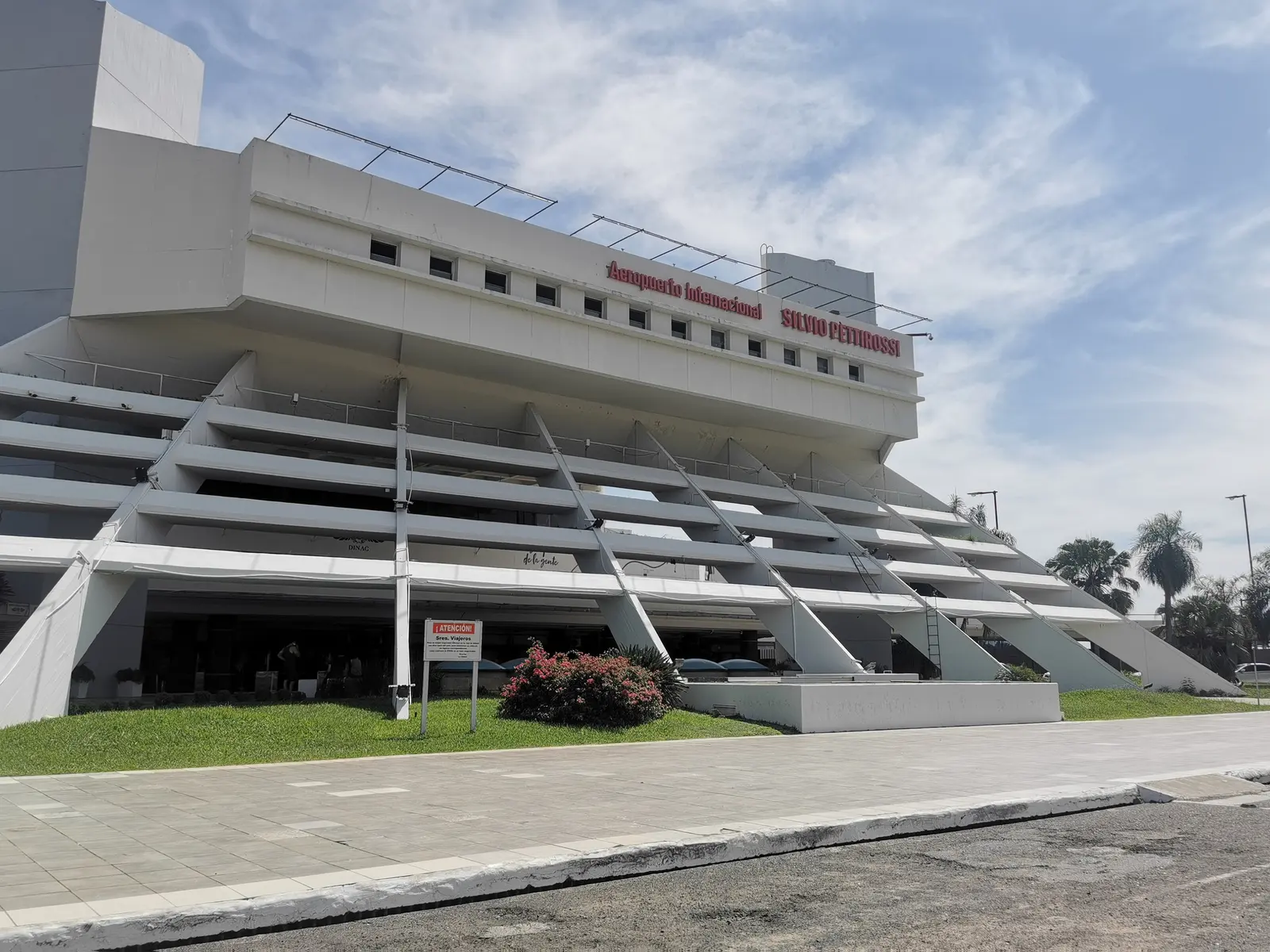
Luque is the airport city. Silvio Pettirossi International Airport sits inside its boundaries, and some parts of the city are a short drive from the terminal. One-bedroom rents run roughly $320 to $520. The city also has a long history of its own, including a period as provisional capital during the War of the Triple Alliance, and its older center feels more like a market town than a suburb.
San Lorenzo, east of the capital, hosts the main campus of the national university, the Universidad Nacional de Asunción. Students and staff shape the rental market, which offers the lowest prices in the metro area at about $280 to $480 for a one-bedroom. The trade-off is congestion on the main roads into Asunción, among the heaviest in the country at rush hour.
Lambaré lies south of the capital along the Río Paraguay. One-bedroom apartments cost around $400 to $650, and some of the most attractive addresses look over the river. Neighborhoods vary a lot from block to block, so it pays to visit at different times of day before signing.
Anyone who works in the northeast of Asunción should test the commute at 7:30 in the morning before choosing one of these three. A cheaper flat that adds an hour of driving each day rarely stays cheaper in your own accounting.
San Bernardino and Areguá: lakeside cities near the capital
Lake Ypacaraí lies east of Asunción, close enough for a day trip and far enough to feel like a different place. Two towns on opposite shores account for most of the foreign interest.
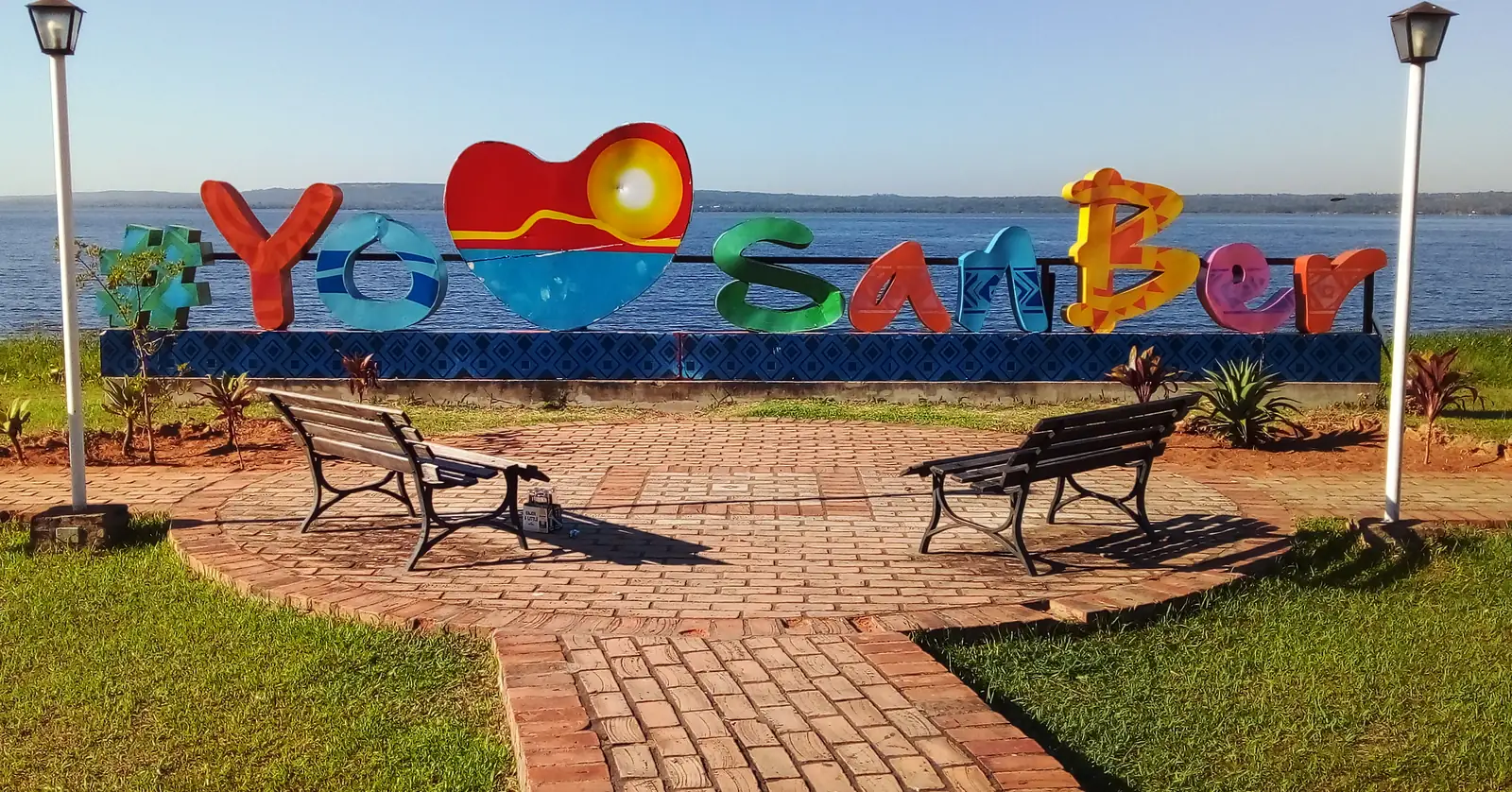
San Bernardino, in the Cordillera department, was founded by German and Swiss settlers in 1881 and still carries traces of that history in its architecture and its clubs. The municipality had 12,216 residents in the 2022 census. A year-round one-bedroom costs around $500 to $900, with a premium close to the water. Between December and March the town fills with weekend visitors from the capital, and short-term prices jump.
That seasonal swing is the main thing to plan around. If you want to live in San Bernardino permanently, look for a place in the cooler months and agree a twelve-month lease before the summer crowds return.
Areguá, on the western shore and still in the Central department, is smaller in feel, though its municipality counted 70,298 people. It is known for pottery, artisan studios and the strawberry season. One-bedroom rents sit around $300 to $500, and a house with a garden is within reach for many budgets. The drive to Asunción is about 30 km, which makes a part-time office in the capital realistic.
Neither lake town has an international school, and ride-hailing coverage is thinner than in Asunción, so a car is close to essential. Retirees and remote workers who already know the country tend to be happiest here. Families with school-age children usually are not.
Encarnación and the colonies of Itapúa in southern Paraguay
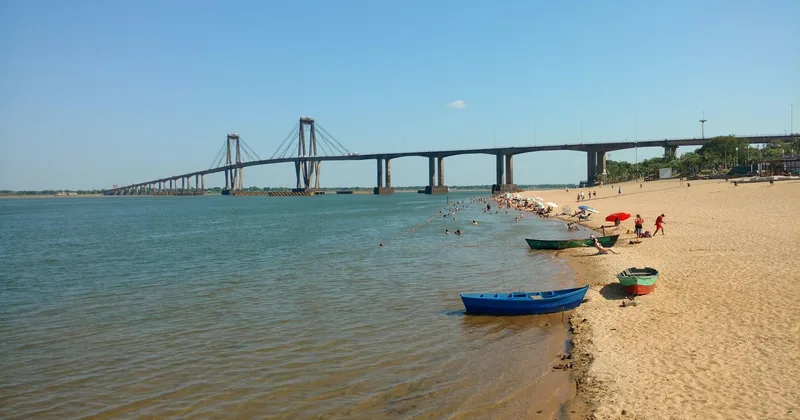
About 370 km south of the capital, on the Río Paraná, Itapúa offers the most convincing alternative to Asunción. Its capital, Encarnación, counted 106,842 people in 2022 and has reinvented itself around a long riverside promenade, the Costanera, with sandy river beaches that fill up in summer. A bridge links the city to Posadas in Argentina.
One-bedroom rents run about $350 to $600, with river-view addresses at the upper end. Daily life is quieter and the city is easy to get around by car. What you give up is choice: fewer specialist doctors, fewer schools with an international curriculum, and long drives when a document requires an appointment in the capital.
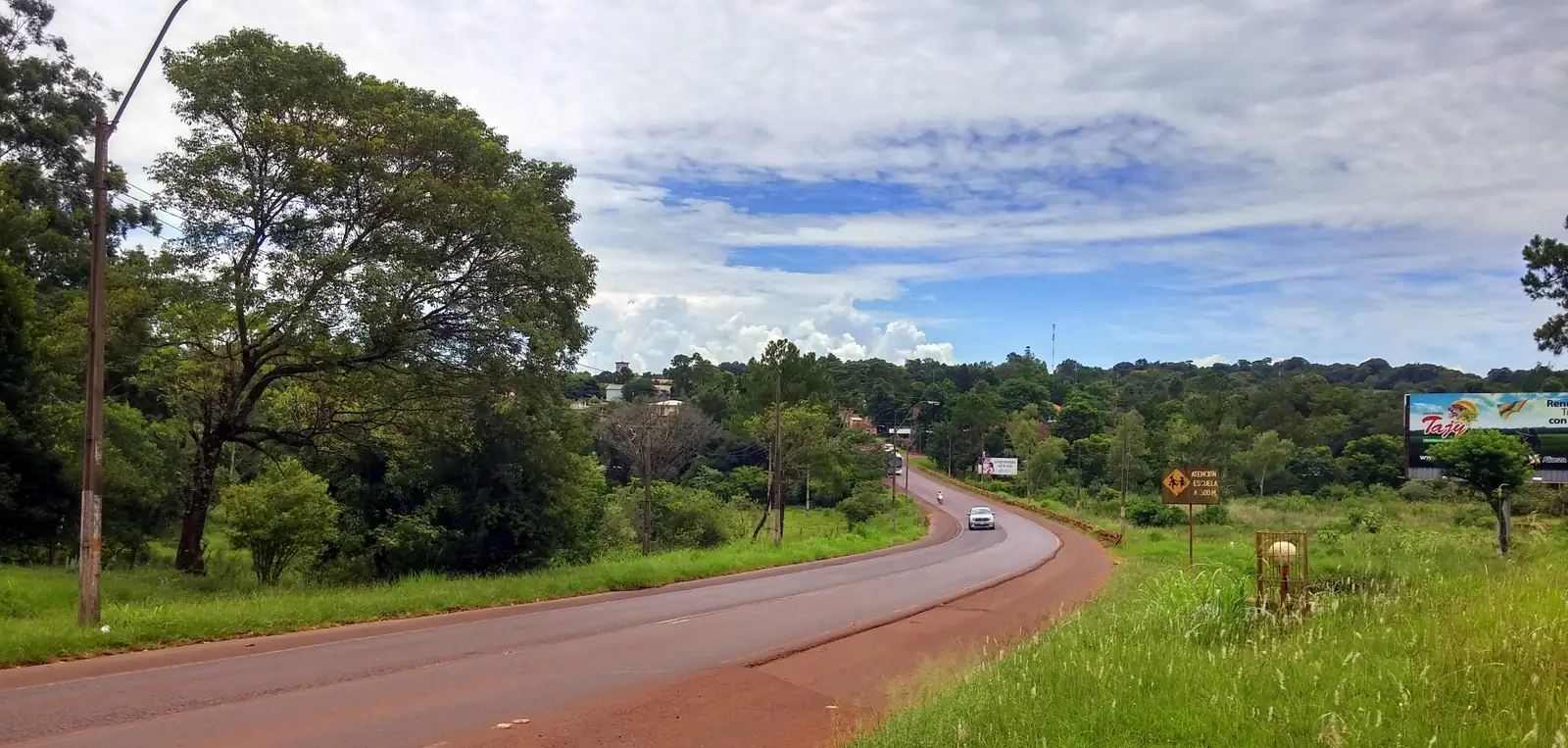
North of Encarnación, along Route PY06, lie the Colonias Unidas, founded in the early twentieth century largely by settlers of German descent from southern Brazil. Hohenau was founded in 1900 and counted 12,809 residents in 2022; neighboring Obligado had 13,606 and Bella Vista 10,447. Cooperatives run much of the local economy, from dairies to grain storage.
The colony towns suit people who want small-town order and do not need city services every week. Rental listings are scarce, so most newcomers rent in Encarnación first and look for a house through local contacts. German is still heard in some families and churches; Spanish remains the language you will need at every counter.
Ciudad del Este: Paraguay's border city built on trade
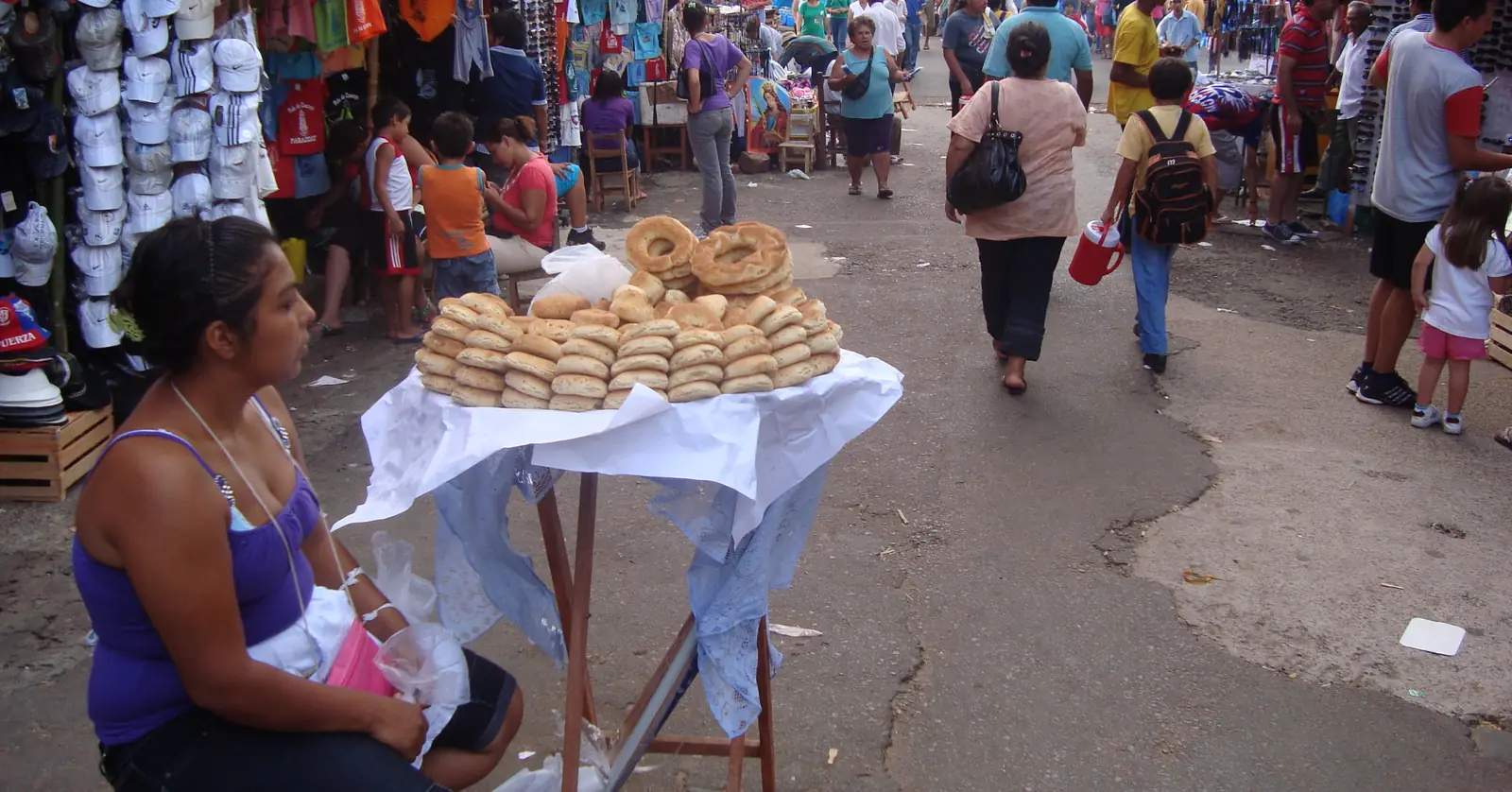
Ciudad del Este, about 330 km east of the capital, is the country's second-largest municipality with 325,819 residents. It sits at the triple frontier with Brazil and Argentina, and the Friendship Bridge to Foz do Iguaçu carries a constant flow of shoppers, traders and commuters. The Itaipú dam and the Iguazú Falls are both within easy reach.
For living, Ciudad del Este makes sense mainly for people with a business reason to be there. One-bedroom rents are about $350 to $600, and a single person's full monthly budget runs roughly $1,100 to $1,600. That is not much cheaper than Asunción, so savings are not the argument; proximity to Brazilian customers and suppliers is.
The security picture is also more complex than in the capital, particularly in the commercial microcenter after dark. Residential districts away from the shopping streets are calmer, and choosing the neighborhood carefully matters more here than in any other city on this list.
Villarrica and the interior: small-city Paraguay
Between the capital and the border cities lies an interior of farming towns and departmental capitals that few foreigners consider. Villarrica, the capital of Guairá, counted 62,565 residents in 2022. It is one of the older towns in the country, with a university presence and a slower, more traditional pace than anything in Gran Asunción.
Nearby Colonia Independencia, founded around 1920 by settlers from Germany, had 19,235 residents in its municipality at the last census and is known for its wine and grape festival. Rental markets in this part of the country are thin and largely informal, so it suits people who arrive with local contacts, plan to buy, or want rural property more than an apartment.
The interior rewards patience and Spanish. Expect fewer English speakers than anywhere else on this list, and expect to drive to Asunción for specialist medical care or immigration appointments.
Filadelfia and Loma Plata: the Mennonite towns of the Chaco
West of the Río Paraguay, the Chaco stretches toward Bolivia, flat, dry and sparsely settled. In its center, Mennonite settlers built three colonies in the twentieth century: Menno around Loma Plata from 1927, Fernheim around Filadelfia from 1930, and Neuland from 1947. Their legal privileges go back to Law No. 514 of 1921.
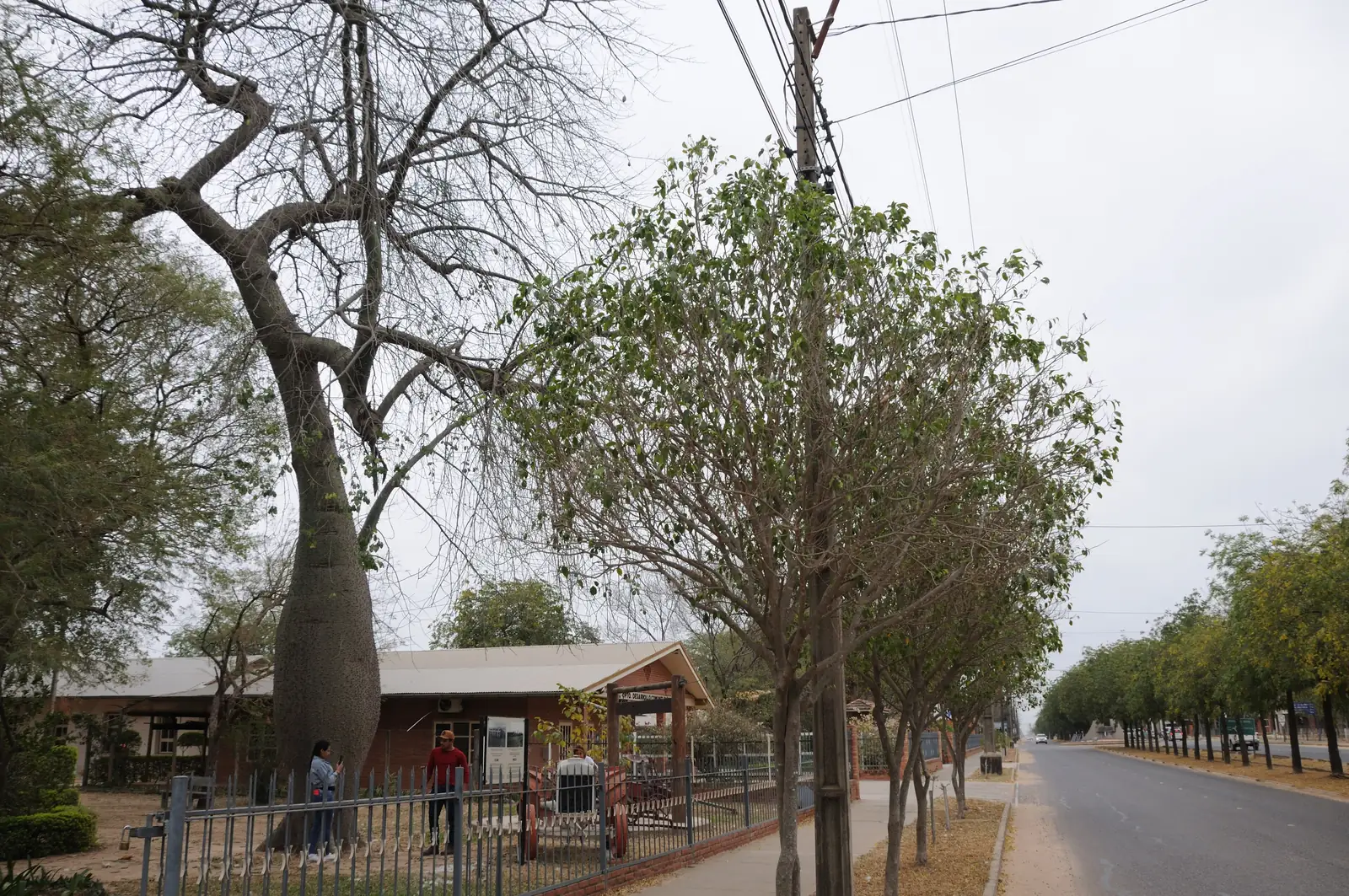
Both towns have grown well beyond their founding size: Filadelfia counted 20,595 residents in its municipality in 2022 and Loma Plata 20,545. The cooperatives behind them run supermarkets, hospitals, schools and some of the largest dairy and meat operations in the country, which makes these towns orderly and well supplied for their location.
The climate is the limiting factor. Chaco summers are hotter and drier than in the east, and the drive to Asunción along the Transchaco highway takes most of a day. There is almost no open rental market. For most foreigners the Chaco is a fascinating place to visit; living there tends to make sense only with a job in agriculture or a strong tie to the community.
Still undecided between two cities in Paraguay? Tell us what your week looks like, with work, school runs and budget, and we will tell you which places on this list fit it. We handle the residency and cédula with you in Asunción, wherever you decide to live afterward. Talk to us
What every city in Paraguay shares: paperwork, hospitals and the capital
Whichever city you pick, some errands lead back to Asunción. Your temporary residency application is filed at Migraciones, and you collect the cédula afterward through the police identification service. In our practice the full route takes about 3 to 4 months with one trip to Paraguay, or 5 to 7 months on two trips. Our residency and cédula service bundles those appointments so you are not driving in from Encarnación for each one.
The tax number is a different story. Completing a RUC requires an in-person appointment at the tax authority, the DNIT, but that appointment can be kept at any DNIT office in the country, not only in the capital. Living in Ciudad del Este or Encarnación is therefore no obstacle to registering.
Healthcare and schooling are the other two reasons people stay close to Asunción. The private hospitals with the broadest specialist coverage are concentrated there, and so are the international and bilingual schools covered in our guide to schools in Paraguay. Outside the capital, Encarnación and Ciudad del Este offer solid private clinics; the smaller towns rely on local hospitals for everyday care and refer complex cases to Asunción.
Finally, the airport. Silvio Pettirossi in Luque handles most international flights, and most long-haul trips connect through hubs such as São Paulo, Buenos Aires, Panama City or Madrid. If you travel often, every hour of road between you and Luque counts.
Choosing between cities in Paraguay by what you need
Budget usually decides less than people expect, because rents outside the top Asunción neighborhoods are similar across most of the country. Daily routines decide more. The table below reflects the patterns we see among the people we help.
| Your priority | Places that fit |
|---|---|
| First year, building a network | Villa Morra, Carmelitas or Ycua Satí in Asunción |
| Children in international or bilingual school | Northeast Asunción |
| Quiet retirement with services nearby | San Bernardino, Areguá, Encarnación |
| Remote work with reliable fiber | Asunción first, then Encarnación or San Bernardino |
| Lowest rent near the capital | San Lorenzo, Luque, Manorá |
| Import, trade or Brazilian clients | Ciudad del Este |
| Small-town order and community | Hohenau, Obligado, Bella Vista |
| Farming or rural property | Itapúa, Guairá, the Chaco colonies |
Our standing advice is to rent before you buy. Spend at least one summer in your chosen city, try the commute, and walk the streets at night. Our guide to renting an apartment in Paraguay covers contracts, deposits and listing traps; when you are ready to buy, our property search service works with local agents and notaries.
For a visual overview of the regions, with the same towns marked on an interactive map, see the Paraguay expat map.
Frequently Asked Questions About Cities in Paraguay
What is the largest city in Paraguay?
Asunción is the largest city in Paraguay, with 462,241 residents in the 2022 census. Counting the whole metropolitan area, Gran Asunción is far larger, because Luque, San Lorenzo, Capiatá, Limpio, Lambaré and several other suburbs together hold well over a million people. Ciudad del Este is the second-largest municipality.
Which cities in Paraguay are most popular with expats?
Most foreigners live in the north and northeast of Asunción, in neighborhoods such as Villa Morra, Carmelitas, Recoleta and Ycua Satí. Outside the capital, Encarnación, San Bernardino and Areguá attract the most interest, and Ciudad del Este draws people with a business reason. The colony towns in Itapúa and the Chaco suit a smaller group.
What is the cheapest city in Paraguay to live in near Asunción?
San Lorenzo has the lowest rents in the capital region, at roughly $280 to $480 a month for a one-bedroom, followed by Luque at about $320 to $520. Inside Asunción itself, Manorá and Mburucuyá are the most affordable of the neighborhoods foreigners favor. Commuting time often offsets part of the saving.
Is Encarnación a good city in Paraguay to live in?
For many people, yes. Encarnación is calmer than the capital, has a riverside promenade and summer beaches, and one-bedroom rents of about $350 to $600. The trade-offs are fewer specialist doctors, fewer international school options and a drive of about 370 km whenever a residency appointment requires a visit to Asunción.
Do I have to live in Asunción to get Paraguay residency?
No. You can live anywhere in Paraguay, but the residency application is filed at Migraciones in Asunción, so expect at least one or two visits there. The RUC tax registration requires a personal appointment too, and that one can be kept at any DNIT office in the country.
Which city in Paraguay is best for families with children?
For families who want international or bilingual schooling, Asunción is the practical choice, especially the northeast with neighborhoods like Santa Teresa, Recoleta and Los Laureles. Those schools are concentrated in the capital. Families with younger children and fewer schooling needs also do well in Encarnación or the lake towns.
Are the Mennonite towns in the Chaco open to foreigners?
Filadelfia and Loma Plata are open towns where anyone can visit, shop and stay in hotels, and some foreigners do settle there. Membership of the cooperatives that run much of local life follows their own rules, though, and the rental market is very small. Most newcomers treat the Chaco as a place to visit first.
Conclusion: start with the capital, then choose your city in Paraguay
The census tells you where Paraguayans live; your routines tell you where you should. For the first year, Asunción wins on paperwork, healthcare and schooling, which is why almost everyone starts there. After a summer or two, many people stay, and others move to Encarnación, the lake towns or a colony once they know what they are trading.
Narrowed your list down to one or two cities? Book a free first call and we will plan the residency around where you want to live. The packages and prices show what each level of support includes.
Disclaimer: Rents are indicative ranges from our guides and listings checked in 2026, and they move with the exchange rate and the individual property. Population figures are municipal totals from the 2022 census. Residency rules can change; this article is general information, not legal advice.

About the author
Yannick Schroth
Founder · Paraguay relocation advisor
Lives in Asunción and guides international nomads, entrepreneurs and investors through residency, the cédula and the RUC paperwork in Paraguay.
Note: this article reflects the position at the time of publication. Laws, prices and deadlines can change, so individual details may since be out of date. Check the current rules before you act on them: we answer questions about residency and our services, while the tax treatment of your own case belongs with a qualified tax adviser.