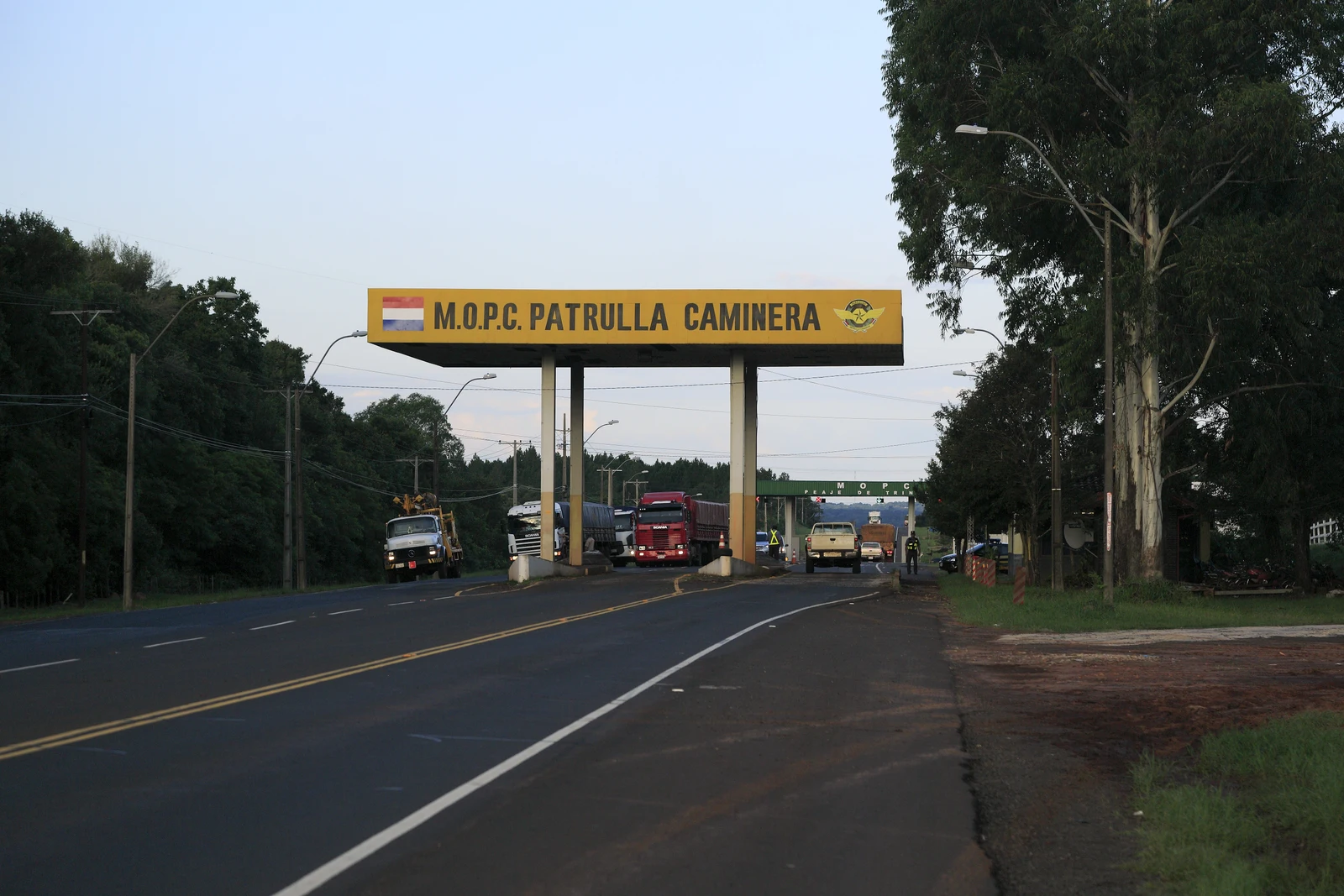
You arrive in Asunción, watch a motorbike weave between three lanes of traffic that were painted for two, and wonder whether you really want to get behind the wheel here. It is a fair question. Driving in Paraguay is not hard once you understand the rhythm, but the rhythm is informal, and the paperwork around licenses and buying a car surprises most newcomers.
This guide covers whether you need a car at all, how foreign licenses work, what it costs to buy and run a vehicle, and how to stay safe on Paraguayan roads. The picture below comes from time behind the wheel here, so it is the practical one, not the brochure version.
Do You Actually Need a Car for Driving in Paraguay?
Before you think about driving in Paraguay, ask whether you need to. In central Asunción you can live comfortably without a car. Ride-hailing apps such as Bolt, Uber, and the local MUV are cheap and reliable, with a typical cross-town trip costing roughly $3 to $6 as of 2026. City buses run everywhere and cost well under a dollar, though they are slow and crowded. For a single remote worker in a walkable neighborhood like Villa Morra or Las Mercedes, a car is optional at best.
The calculation flips once you have children, live outside the central districts, or want to explore the interior on weekends. School runs, supermarket loads, and trips to San Bernardino or Encarnación are far easier with your own vehicle. Public transport thins out quickly beyond the capital, and rural roads are not built for tourists on foot. Many families conclude that one car is worth the cost, while singles often skip it for a year and reassess.
If you are still mapping out your monthly spend, the real cost of living in Paraguay guide breaks down where a car fits into a household budget.
Using a Foreign or International License When Driving in Paraguay
Get an International Driving Permit before you fly, and treat it as necessary rather than as insurance. Paraguay recognizes an IDP for 90 days, and only in combination with the national license it was issued against: the permit translates your license, it does not replace it, so carry both.
Whether your national license on its own would be accepted is a question about your own country, not a general rule. At least one European foreign ministry states outright that its citizens' domestic licenses are not recognized in Paraguay, which is a reminder to check your embassy's own guidance instead of assuming yours travels. Treat enforcement practice as variable and as of 2026.
The foreign-license route has a clear limit: it is a visitor's solution, not a resident's. Once you settle, obtain your Paraguayan residency, and start living here permanently, the expectation shifts toward a local license. Rental companies and traffic police are used to foreign paperwork in tourist contexts, but a resident driving indefinitely on a foreign card sits in a gray zone you do not want to test after an accident. Plan the foreign license as a bridge for your first months, not a permanent arrangement.
If you are still working through your arrival logistics, the first 30 days in Paraguay guide covers the sequence that gets you settled.
Converting to a Paraguayan Driver's License as a Resident
Once you hold residency, converting to a Paraguayan driver's license is the clean, permanent answer. The process runs through the municipal traffic authority in the city where you live, and in Asunción that means the local licensing office rather than a national agency. You will generally need your cédula (the Paraguayan ID card), your foreign license, proof of address, and to pass basic medical and vision checks.
A theory or practical test may apply depending on your municipality and whether your foreign license can be recognized directly, so confirm the current requirements at your local office before you go.
The upside of holding a Paraguayan license is that it removes every ambiguity around driving in Paraguay as a resident, and it doubles as accepted ID in day-to-day situations. Budget a little patience for the bureaucracy: offices keep local hours, queues form early, and a fixer or a bilingual friend helps if your Spanish is still developing. Costs are modest by international standards, typically running to a few tens of dollars in fees, though treat that as approximate and as of 2026.
Getting the license sorted early spares you the awkward conversation with a traffic officer later.
Buying a Used Car vs Importing a Car to Paraguay
For most newcomers, buying a used car locally is far simpler than importing one. Paraguay has an active second-hand market, with Toyota, Nissan, and Kia among the common and well-supported brands, and mechanics who know them. Prices vary widely with age and condition, but reliable used cars are relatively affordable compared with North America or Europe. Buy through a reputable dealer or a vetted private seller, verify the vehicle's papers and that it is free of debt or liens, and have a trusted mechanic inspect it before you pay.
Importing a car to Paraguay is possible but rarely worth it. Imported vehicles are taxed, and the duties, shipping, and paperwork usually erase any saving over buying an equivalent car locally. Sentimental attachment to your old vehicle is the main reason people import, and it is seldom a good financial one. The local market already covers most needs, and a car bought here comes with the registration and service network already in place. Unless you have a genuinely unusual requirement, plan to buy locally and skip the import route entirely.
One extra point on the paperwork side. When you buy locally, the transfer of ownership must be registered properly so the car is legally in your name, which matters both for insurance and for reselling later. A dealer usually handles this; with a private sale, budget time to complete it through a notary. If you are still organizing residency alongside the vehicle purchase, the step-by-step guide to moving to Paraguay sets out the order in which these tasks slot together, since a cédula makes the registration and licensing far smoother.
Road Conditions and Traffic Culture in Asunción
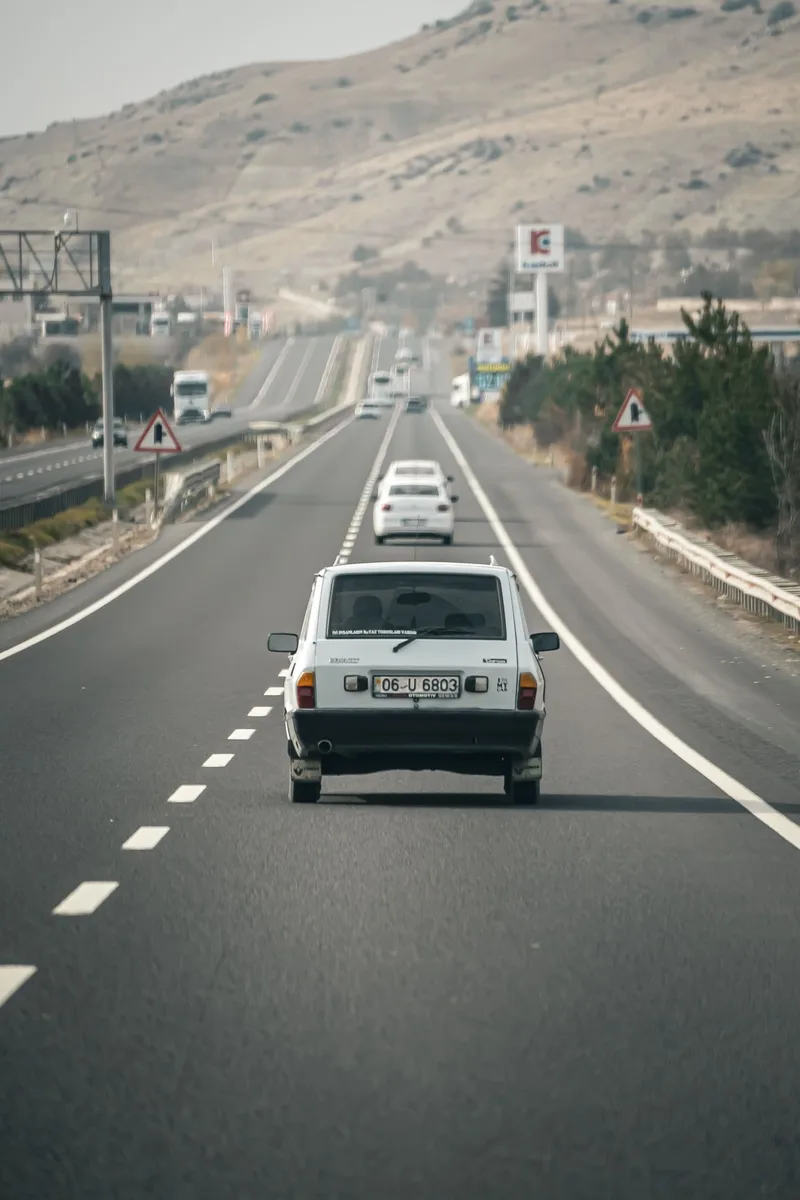
Road conditions in Paraguay range from good to rough within a single trip. Main avenues in Asunción and the highways connecting major cities are generally paved and serviceable, though potholes appear after heavy rain and lane markings fade. Venture into residential barrios or the countryside and you meet cobblestones, dirt roads, and the occasional stretch that a low car will scrape on. A vehicle with reasonable ground clearance earns its keep here.
The traffic culture is the bigger adjustment. Driving in Asunción is busy and informal: lane discipline is loose, indicators are optional in practice, and motorbikes filter through every gap. Right of way is negotiated as much as it is signposted, and hesitation can confuse other drivers as much as aggression does. It sounds alarming, but the underlying speeds in city traffic are usually low, and once you read the flow it becomes manageable rather than chaotic. Drive assertively but predictably, watch the motorbikes constantly, and give yourself extra following distance.
Newcomers who expect German or North American orderliness struggle for a week, then adapt.
Fuel and Running Costs of Driving in Paraguay
Fuel is a manageable part of the running cost of driving in Paraguay. Petrol and diesel are sold through Petropar, the state operator, alongside private stations, and prices sit in the range of a few dollars per gallon-equivalent as of 2026. Treat that figure as approximate, because fuel prices move with global oil markets and the exchange rate against the US dollar. Diesel vehicles are popular for their economy, particularly among people who drive long distances between cities.
Beyond fuel, the running costs are reasonable. Routine servicing and spare parts for common Japanese and Korean models are affordable, and labor is cheaper than in North America or Europe. Parking in central Asunción is usually easy and inexpensive outside the busiest commercial blocks. All in, a car-owning household commonly spends somewhere around $200 to $300 a month once fuel, insurance, servicing, and the occasional repair are added together, though a light driver spends less.
The barrier to car ownership in Paraguay is the upfront purchase, not the monthly cost of keeping it on the road.
Weighing up whether a car fits your Paraguay plans? A short intro call covers the residency and cédula steps, which also come before a Paraguayan driver's license. Get in touch.
Car Insurance and the Cover Worth Buying
Paraguay has no compulsory car insurance. The SOAT scheme created by Ley 4950/2013 was repealed by Ley 5150, and a bill for a successor scheme has sat in Congress for years without passing, so plenty of cars on the road carry no cover at all. That is exactly why liability insurance is strongly recommended: going uninsured is a poor bet on roads where informal traffic raises the odds of a fender-bender, and the other driver may have nothing to pay you with.
Local insurers offer everything from basic third-party liability to comprehensive policies that cover theft, damage, and third-party claims, and premiums are affordable relative to the value they protect.
Compare a few providers rather than taking the first quote, because coverage terms and claim-handling reputations differ more than headline prices do. A comprehensive policy on a modest used car typically costs a few hundred dollars a year as of 2026, though the figure depends on the vehicle, your profile, and the level of cover, so treat it as approximate. Read what the policy actually pays out for and confirm how claims are handled after an accident.
For anyone driving in Paraguay day to day, insurance is a small line item that turns a bad day into a manageable one.
Safety Tips and Defensive Driving on Paraguayan Roads
Defensive driving is the single best habit for staying safe when driving in Paraguay. Assume that other drivers may not signal, that a motorbike could appear in your blind spot at any moment, and that a pedestrian might step out where you do not expect. Keep your speed moderate in the city, leave generous following distance, and never assume you have right of way just because the sign says so. Predictability protects you: signal your own intentions clearly and avoid sudden manoeuvres that leave others guessing.
A few practical rules round it out. Avoid unfamiliar rural roads after dark, when unlit vehicles, animals, and poor surfaces combine badly. Keep doors locked and valuables out of sight in stop-and-go city traffic. Carry your license, vehicle papers, and insurance details in the car. Rain transforms Paraguayan roads quickly, flooding low intersections and slicking worn tarmac, so slow down and give yourself room in a downpour. None of this is unique to Paraguay, but the informal traffic culture rewards caution more than an orderly system would.
For a wider view of personal safety here, the guide to whether Paraguay is safe puts driving risk in context alongside everyday life.
Looking at the paperwork side as well as the car? The packages handle residency up to the cédula. A Paraguayan driver's license is a separate add-on ($249, or $299 with transport to the appointments), and buying and insuring the vehicle stays in your hands. View the packages.
Frequently Asked Questions About Driving in Paraguay
Can tourists drive in Paraguay on a foreign license?
Only with an International Driving Permit, and only for a while. Paraguay recognizes an IDP for 90 days, and solely alongside the national license it was issued against, so carry the pair. Whether your national license alone counts depends on the issuing country, and at least one European foreign ministry says its citizens' licenses are not recognized here, so check your embassy rather than assume.
Beyond that window, a licencia para extranjeros runs for a year and covers long stays short of residency. Residents convert to a Paraguayan license.
Do I need a Paraguayan driver's license as a resident?
Once you hold residency and live here permanently, converting to a Paraguayan driver's license is the clean answer. It removes any ambiguity about driving in Paraguay long-term and doubles as accepted local ID. The process runs through your municipal traffic office and needs your cédula, foreign license, and basic health checks.
Is it better to buy a used car or import a car to Paraguay?
Buying a used car locally is simpler and usually cheaper than importing one. Importing a car to Paraguay is possible but taxed, and duties plus shipping typically erase any saving. The local second-hand market covers most needs, with common Japanese and Korean models well supported by mechanics and parts.
How much does fuel cost when driving in Paraguay?
Fuel sits in the range of a few dollars per gallon-equivalent as of 2026, sold through the state operator Petropar and private stations. Treat the figure as approximate, because prices move with global oil markets and the exchange rate. Diesel is popular among drivers covering long distances for its economy.
Is driving in Asunción traffic difficult for newcomers?
Driving in Asunción is busy and informal, with loose lane discipline and motorbikes filtering through every gap. It looks alarming at first, but city speeds are usually low and the flow becomes readable within a week or two. Drive assertively but predictably, keep extra following distance, and watch the motorbikes.
Do I need car insurance for driving in Paraguay?
Not by law: there is no compulsory car insurance since the old SOAT law was repealed, and many drivers go without. Liability cover is still strongly recommended. Local insurers offer third-party and comprehensive cover at affordable rates, with comprehensive on a modest used car typically costing a few hundred dollars a year as of 2026. Compare providers and check how claims are handled.
Are the roads good for driving in Paraguay?
Road conditions in Paraguay range from good to rough. Main avenues in Asunción and intercity highways are generally paved, though potholes and faded markings are common. Residential barrios and rural areas bring cobblestones and dirt roads, so a vehicle with reasonable ground clearance helps. Rain worsens surfaces and floods low intersections quickly.
Is defensive driving important in Paraguay?
Defensive driving is essential in Paraguay. Assume other drivers may not signal, watch constantly for motorbikes in blind spots, and keep moderate city speeds with generous following distance. Avoid unfamiliar rural roads after dark, lock doors in stop-and-go traffic, and slow right down in rain. Caution matters more here than in orderly systems.
Disclaimer: This article is general information. Traffic rules, license procedures, and costs in Paraguay can change. Confirm current requirements before you drive or buy a vehicle.

About the author
Yannick Schroth
Founder · Paraguay relocation support
Spends regular time in Paraguay and, with his team on the ground in Asunción, guides international nomads, entrepreneurs and investors through residency, the cédula and the RUC paperwork.
Note: this article reflects the position at the time of publication. Laws, prices and deadlines can change, so individual details may since be out of date. Check the current rules before you act on them: we answer questions about residency and our services, while the tax treatment of your own case belongs with a qualified tax adviser.