Paraguay and the United States signed a Memorandum of Understanding on Strategic Civil Nuclear Cooperation in Washington on 4 August 2026. Secretary of State Marco Rubio signed for the United States and Foreign Minister Rubén Ramírez Lezcano for Paraguay, in an agreement that designates Paraguay a priority partner in the region.
The memorandum lets Paraguay inventory its uranium and rare-earth resources and opens a path toward small reactors that would complement a grid built almost entirely on hydroelectricity.
What the Memorandum Does, and What It Does Not
The distinction matters more than the headline. Dr. Jorge Molina, who heads Paraguay's Radiological and Nuclear Regulatory Authority (ARRN), described it as a non-binding preliminary step. It establishes political intent and a framework for sharing best practices, technical information and the safety, security and non-proliferation requirements that come with the field.
It transfers no technology and commits no money. The instrument that would do that is a Section 123 Agreement, mandatory under United States law before any American nuclear technology or hardware can be exported. That agreement has not been signed. ARRN expects ratification could come within one to one and a half years if the process accelerates, and it depends on Paraguay first building the national legislation and regulatory structure to meet US non-proliferation criteria.
So the honest summary is that Paraguay has agreed to start talking seriously, and has given itself the standing to negotiate the agreement that would matter.
The Timelines and the Price Tags
Two different technologies are being discussed, and conflating them produces the misleading version of this story.
Microreactors generate 5 to 30 MW, are simpler to operate, and carry an initial investment of roughly US$50 million to US$200 million. ARRN's estimate is that the first could be operational within about five years, so around 2030, provided nothing slips and the outstanding international agreements are completed.
Small modular reactors are a different proposition: around 300 MW per unit at US$1,000 million to US$1,200 million each, and roughly a decade to deploy. The constraints there are not primarily Paraguayan. Global manufacturing queues for reactor components are long, and training specialist operators takes years.
Separately, the national electricity administration ANDE signed a technical cooperation agreement with the International Atomic Energy Agency in April 2026 to study how SMRs might fit the national grid. ARRN has also welcomed ANDE opening nuclear generation to private participation.
Why a Country With Two Giant Dams Wants Reactors
Paraguay's electricity is the cleanest and cheapest part of its investment pitch, so the interest in an entirely new generating technology needs explaining.
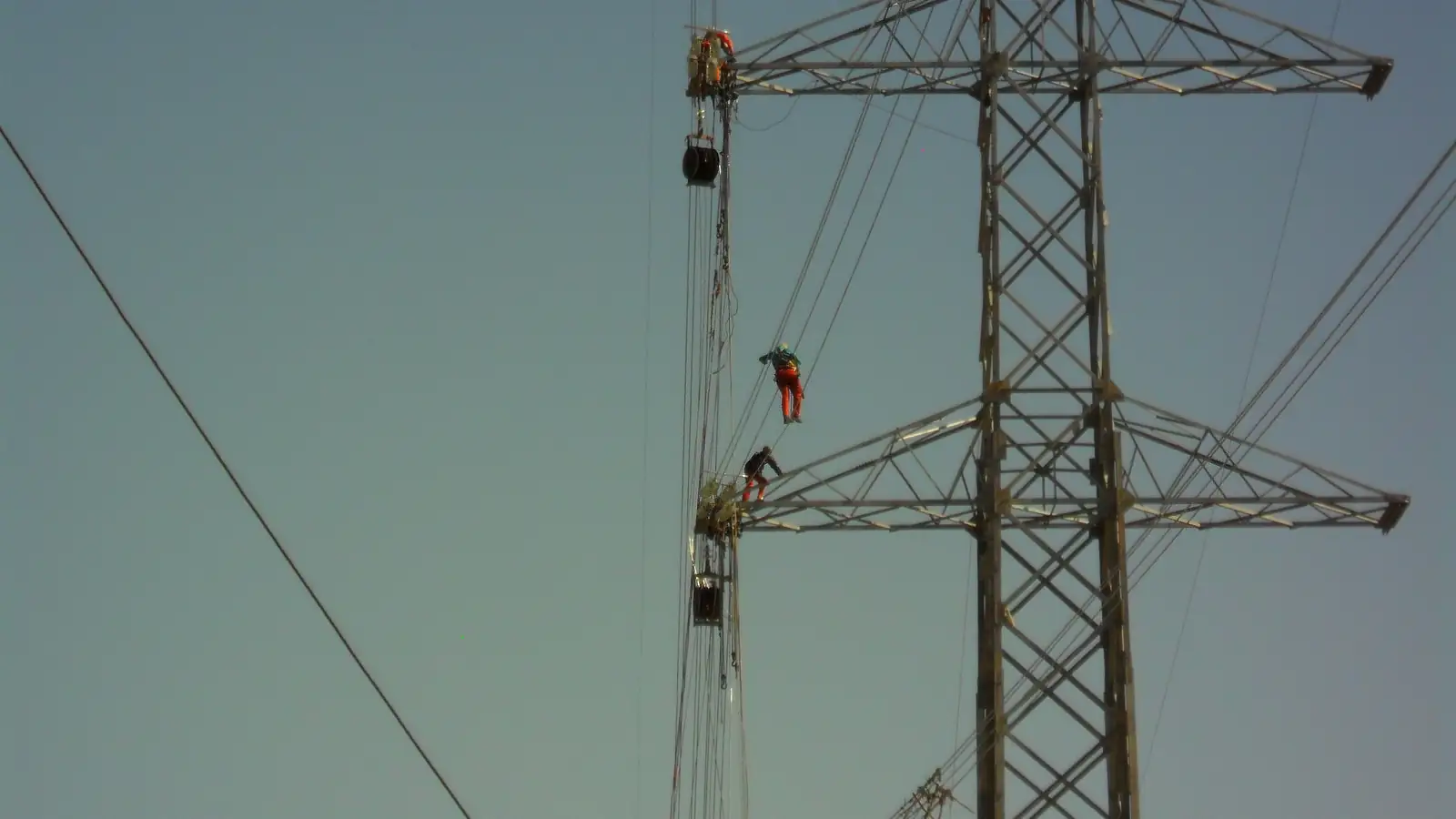
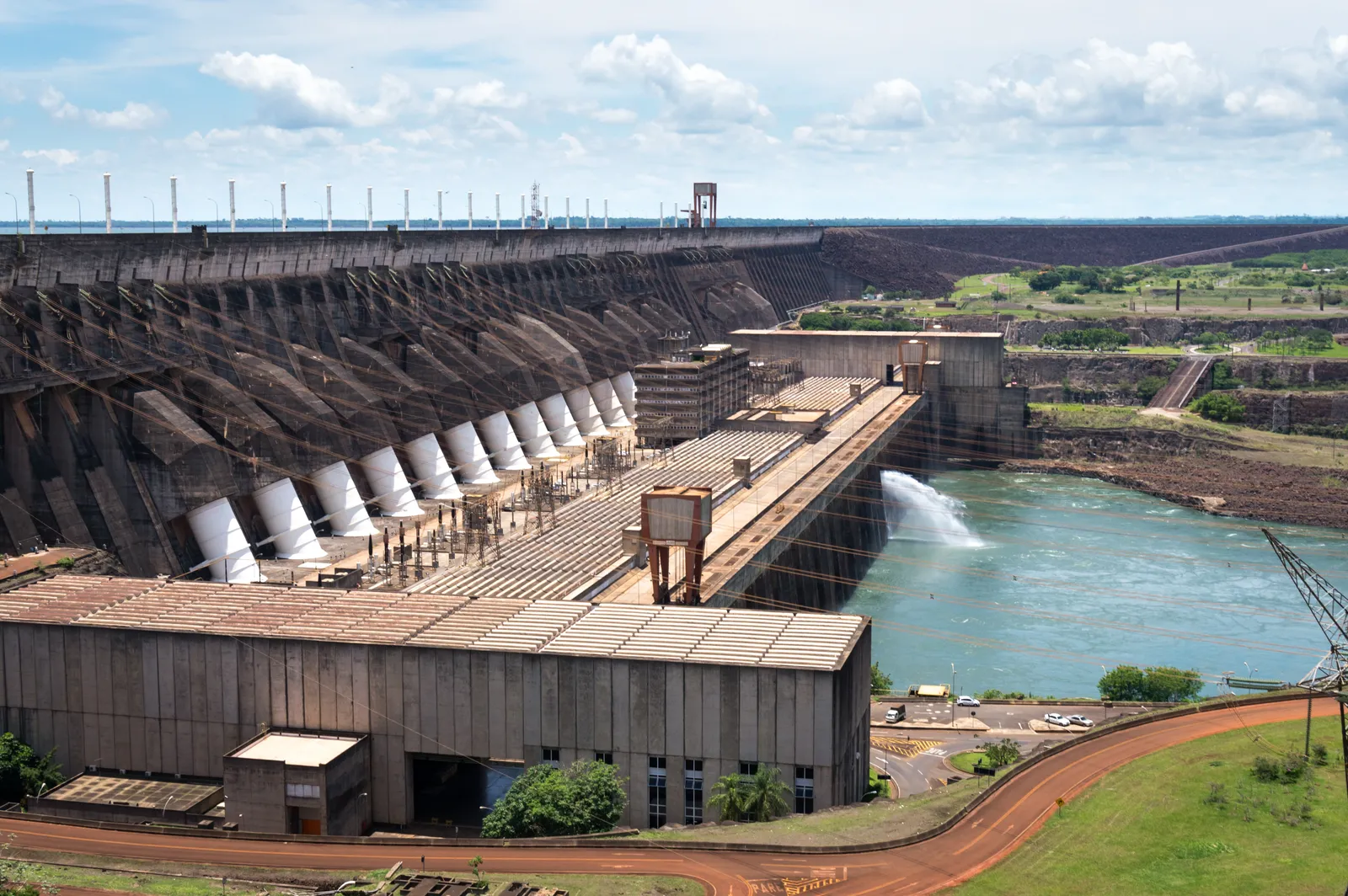
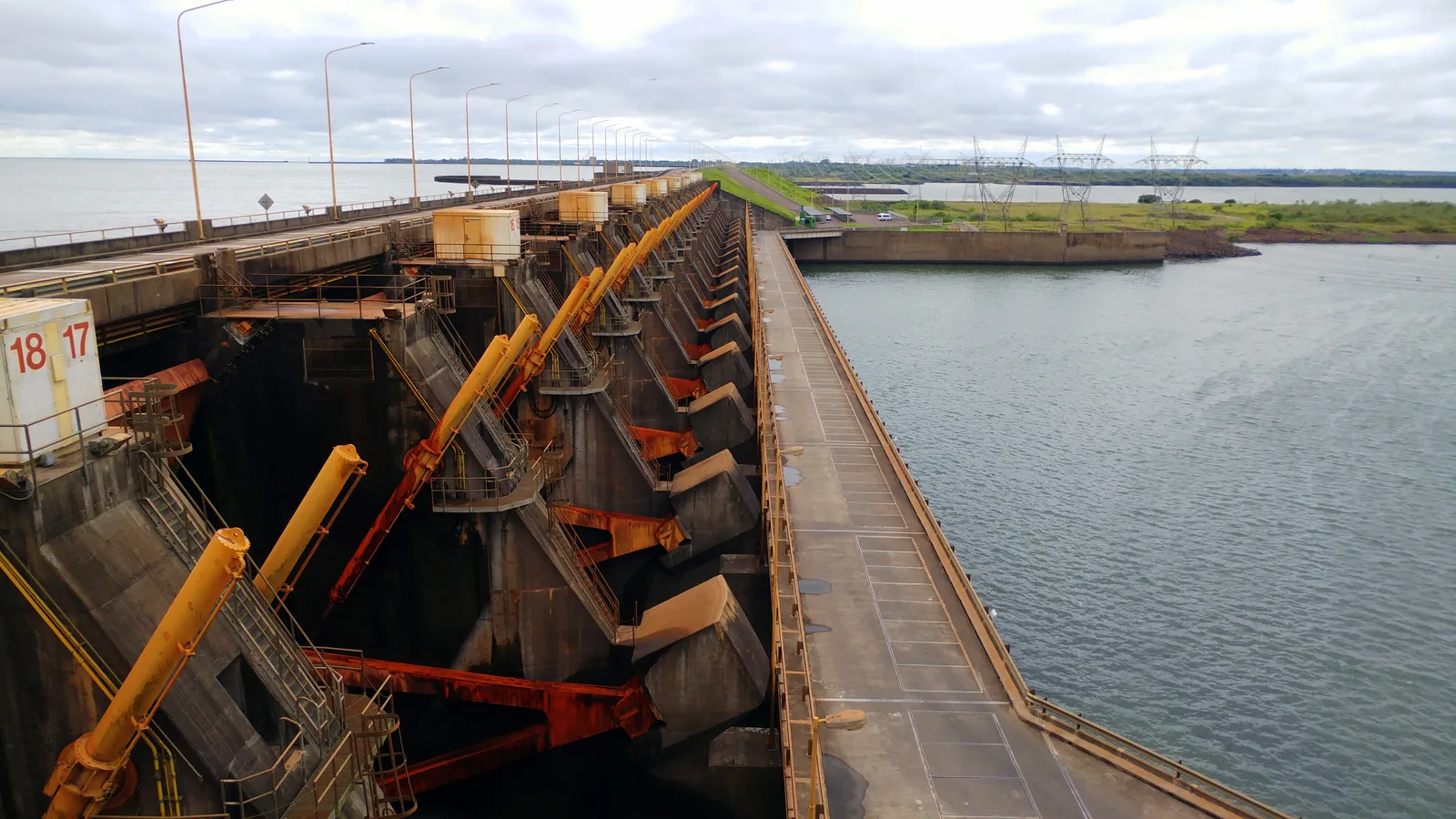
The reason is that hydro capacity is approaching its ceiling. Itaipú and Yacyretá are enormous but finite, and their output depends on rainfall, as the severe drought on the Paraná earlier this decade made plain. Meanwhile demand keeps climbing, a pressure we covered when the supply crunch first surfaced and again when an AI data center project promised to multiply consumption. The Aña Cuá expansion at Yacyretá adds capacity but does not change the arithmetic of a single-source grid.
Nuclear, in this framing, is a hedge against being a one-resource electricity economy in the 2030s.
What It Means If You Live or Do Business Here
For today, nothing. Your electricity bill, its price and its source are unchanged, and will stay hydroelectric for years. The practical numbers are in our guide to utility costs in Paraguay.
The signal is about the next decade rather than this one. Cheap, abundant power is a genuine part of why Paraguay attracts industry, data centers and energy-intensive businesses, and the honest risk to that advantage was never policy but physics: finite dams meeting rising demand. A government preparing alternatives a decade ahead is a better sign than one assuming the rivers will keep up.
If your interest is energy-intensive, mining or data infrastructure in particular, the variables worth tracking remain tariffs, grid connection and ANDE's supply queue. A memorandum signed in Washington will not change any of those before 2030.
None of this touches taxation. Paraguay's territorial system is unaffected by energy policy, and the two questions are unrelated despite often appearing in the same investment pitch.
US citizens and green-card holders: an agreement between Washington and Asunción does not alter your tax position either. The United States taxes worldwide income on the basis of citizenship, so US persons living in Paraguay keep filing at home regardless of what the two governments cooperate on. Take US-qualified advice on your own situation.
Frequently Asked Questions
Is Paraguay about to build a nuclear plant?
No. The memorandum is explicitly non-binding, the binding Section 123 Agreement has not been signed, and the required national legislation is not yet in place. Microreactors are a 2030 prospect at the earliest and full-size SMRs closer to a decade away.
Will the US nuclear memorandum change electricity prices in Paraguay?
Not in any timeframe relevant to a decision you are making now. Nothing about generation costs changes until reactors actually exist, and the first are years away at best.
Is Paraguay's electricity still almost entirely renewable?
Yes. The grid runs overwhelmingly on hydroelectric power from Itaipú, Yacyretá and Acaray. Any nuclear capacity is framed as a complement to that base, not a replacement for it.
Thinking about Paraguay as a base for something energy-intensive? Grid access and tariffs are questions for ANDE; our part is the residency file and the cédula. Get in touch.
Disclaimer: This article is general information, not investment, legal or tax advice. Timelines and cost estimates for nuclear projects are provisional and frequently slip. Verify the current position with ARRN, ANDE or a qualified adviser before making decisions.
Sources
- ▹ABC Color: De la mano de EE.UU., se espera tener reactores nucleares dentro de 5 años
- ▹ABC Color: Reactores nucleares para el país cuestan entre US$ 50 millones y 4.000 millones
- ▹Última Hora: Exploración de uranio y uso pacífico, los detalles del pacto nuclear entre EEUU y Paraguay
- ▹La Nación: La Autoridad Reguladora Radiológica y Nuclear proyecta alternativas para la matriz energética

About the author
Yannick Schroth
Founder · Paraguay relocation support
Spends regular time in Paraguay and, with his team on the ground in Asunción, guides international nomads, entrepreneurs and investors through residency, the cédula and the RUC paperwork.