Every July, Asunción hands its calendar over to cattle. The Expo Paraguay ARP, the country's largest fair, runs from 11 to 26 July 2026 at the Rural fairgrounds, with more than 200 exhibitors and 1,500 brands filling the pavilions. It is part livestock show, part trade fair, and part economic state-of-the-nation, and this year President Santiago Peña used the stage to make a simple argument: the farm is what is powering Paraguay's run.
Agriculture as the Engine
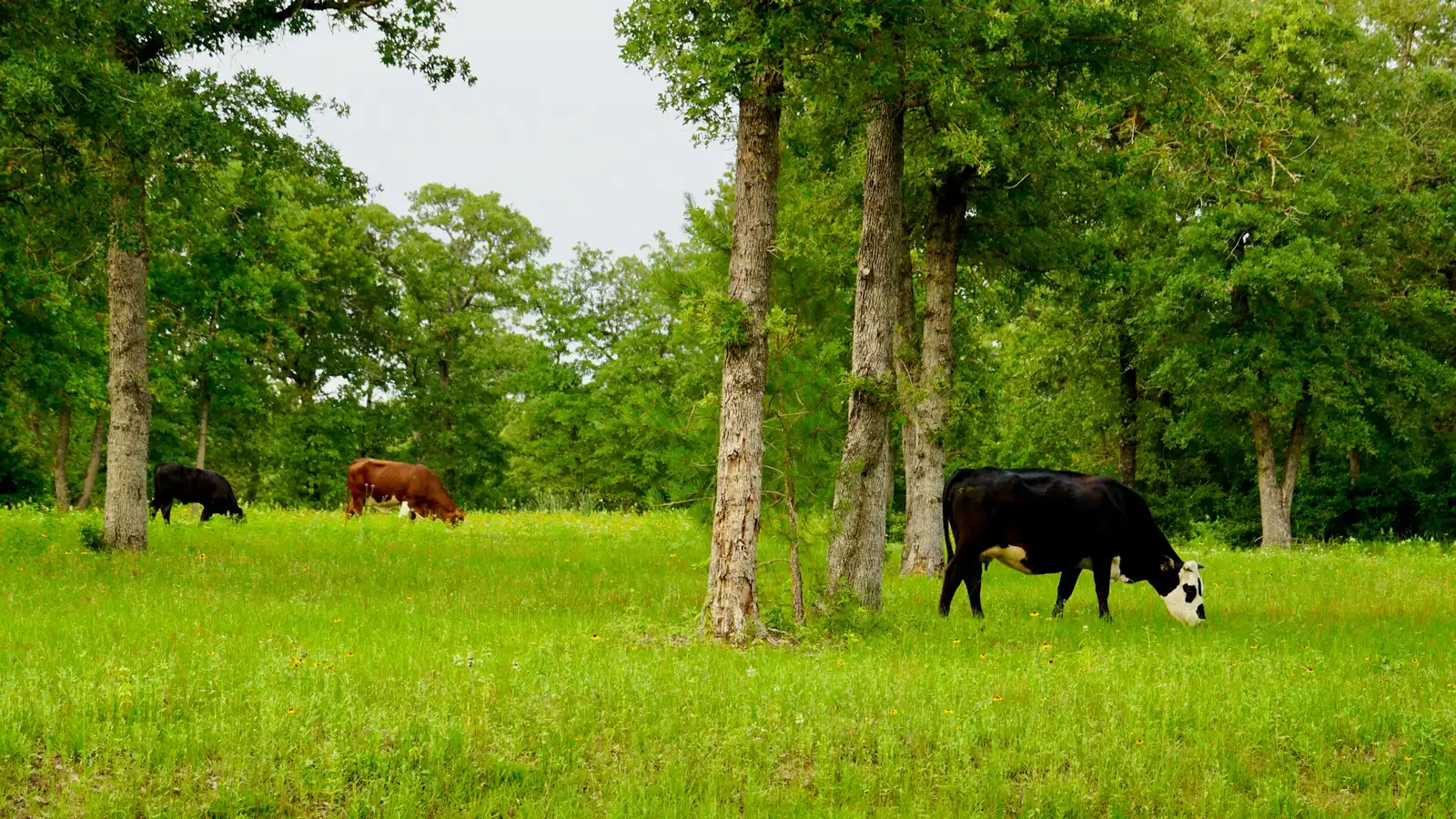
Peña told the fair that Paraguay is living through "the best economic moment in its history," and he pinned much of that on the countryside. The numbers give the claim some weight. Rural unemployment has fallen to about 2.2%, described as a historic low, and the primary sector has grown at an average of roughly 10% a year over the last three years. Paraguayan beef, he noted, has never had a bigger profile on world markets.
The sector's leaders used the same platform to push back on what still holds them back. The Asociación Rural del Paraguay pressed for stronger rural security, a serious effort against cattle theft, and better road and energy infrastructure, especially in the vast and underdeveloped Chaco. Peña, for his part, promised more financing and infrastructure for the sector.
Why It Matters Beyond the Farm
For a country marketing itself as a stable base, agriculture is not a side story. It is the foundation under the headline numbers: the growth that earned Paraguay a second investment-grade credit rating, the exports that keep the currency and public finances steady, and the jobs that hold rural migration in check. A strong farm sector is a large part of why the macro picture looks as calm as it does.
What It Means for Expats and Investors
For an individual, the relevance is context rather than a personal event. A productive agricultural economy keeps food and land relatively cheap and underwrites the stability that makes a long-term plan feel safer. If putting capital into that economy interests you, farmland and agribusiness are among the routes covered in our overview of investing in Paraguay.
None of that touches your own tax position. A record soy harvest changes the trade balance, not the rules that apply to you: Paraguay's territorial taxation of foreign income depends on real tax residency and on the income arising outside Paraguay, since work you perform from here counts as Paraguayan-source even when the client is abroad. US citizens and green-card holders stay inside the IRS net on worldwide income wherever they live, so take US-qualified advice if that describes you.
Frequently Asked Questions
Why does agriculture matter so much to Paraguay's economy?
Farming and livestock drive a large share of Paraguay's exports, rural employment, and growth. Rural unemployment is near a historic low of about 2.2%, and the primary sector has grown roughly 10% a year over three years. That performance underpins the macro stability behind the country's investment-grade ratings.
Does Paraguay's agricultural boom change its taxes?
No. A strong agricultural year is macro context, not a change to the rules. Paraguay's territorial system still taxes foreign-source income at 0% in principle and depends on real tax residency. US persons remain taxed by the IRS on worldwide income wherever they live.
Looking at land or agriculture rather than a city apartment? Our part is the residency and cédula that let you settle here; the land deal itself belongs with a notary and a Paraguayan lawyer, and we can point you to one. Get in touch.
Disclaimer: This article is general information, not investment, legal or tax advice. Economic figures shift over time. Confirm current data with an official source before acting on it.
Sources

About the author
Yannick Schroth
Founder · Paraguay relocation support
Spends regular time in Paraguay and, with his team on the ground in Asunción, guides international nomads, entrepreneurs and investors through residency, the cédula and the RUC paperwork.