Paraguay has spent decades marketing itself on cheap, clean, abundant hydropower. On 13 July 2026 the chief of the Presidential Cabinet, Javier Giménez, put a deadline on that story: without new generation, the country could burn through its electricity surplus by 2030, according to a report in ABC Color. For a nation whose pitch rests on surplus power, the shift in tone is worth noting.
What Giménez Actually Said
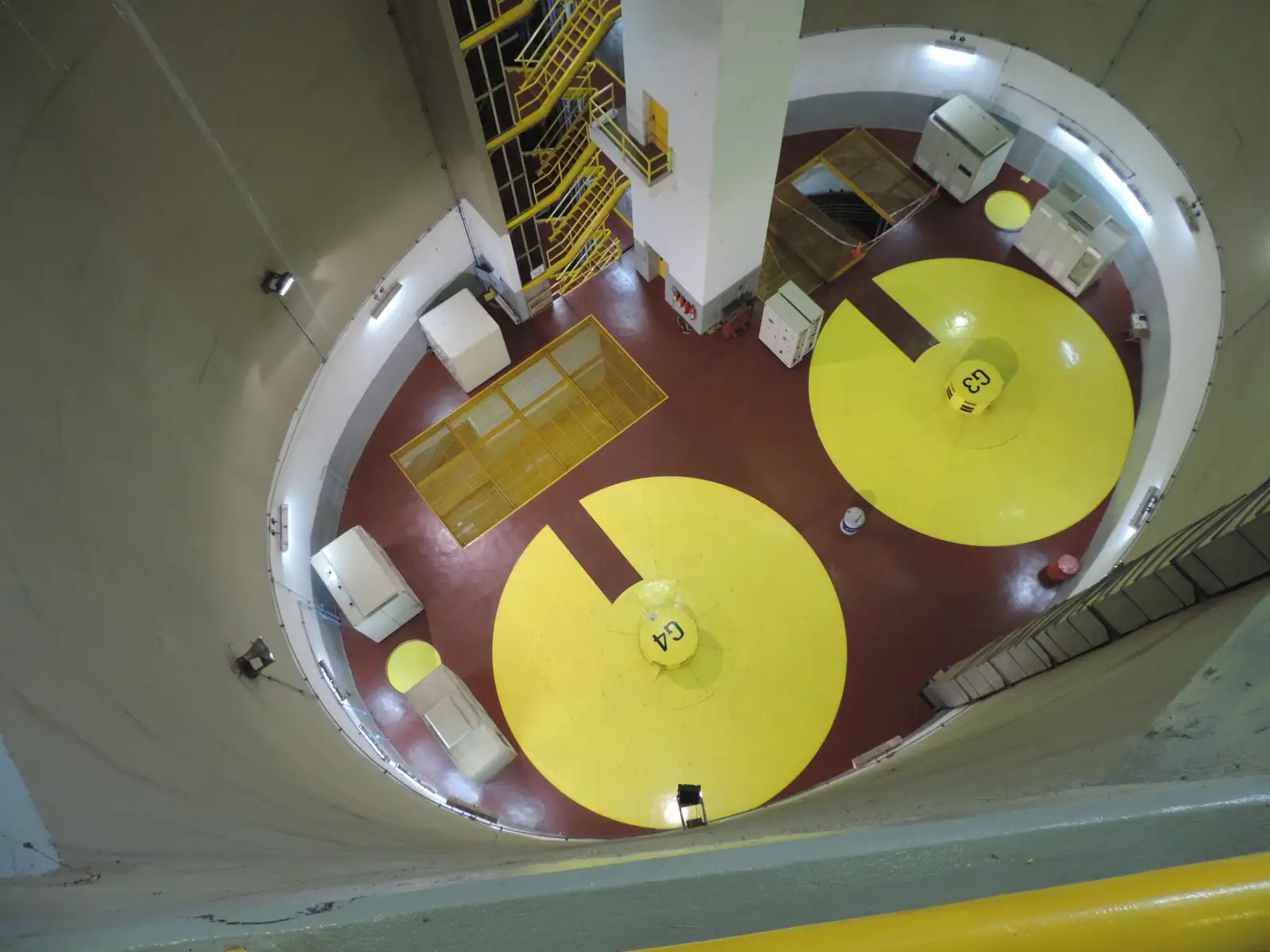
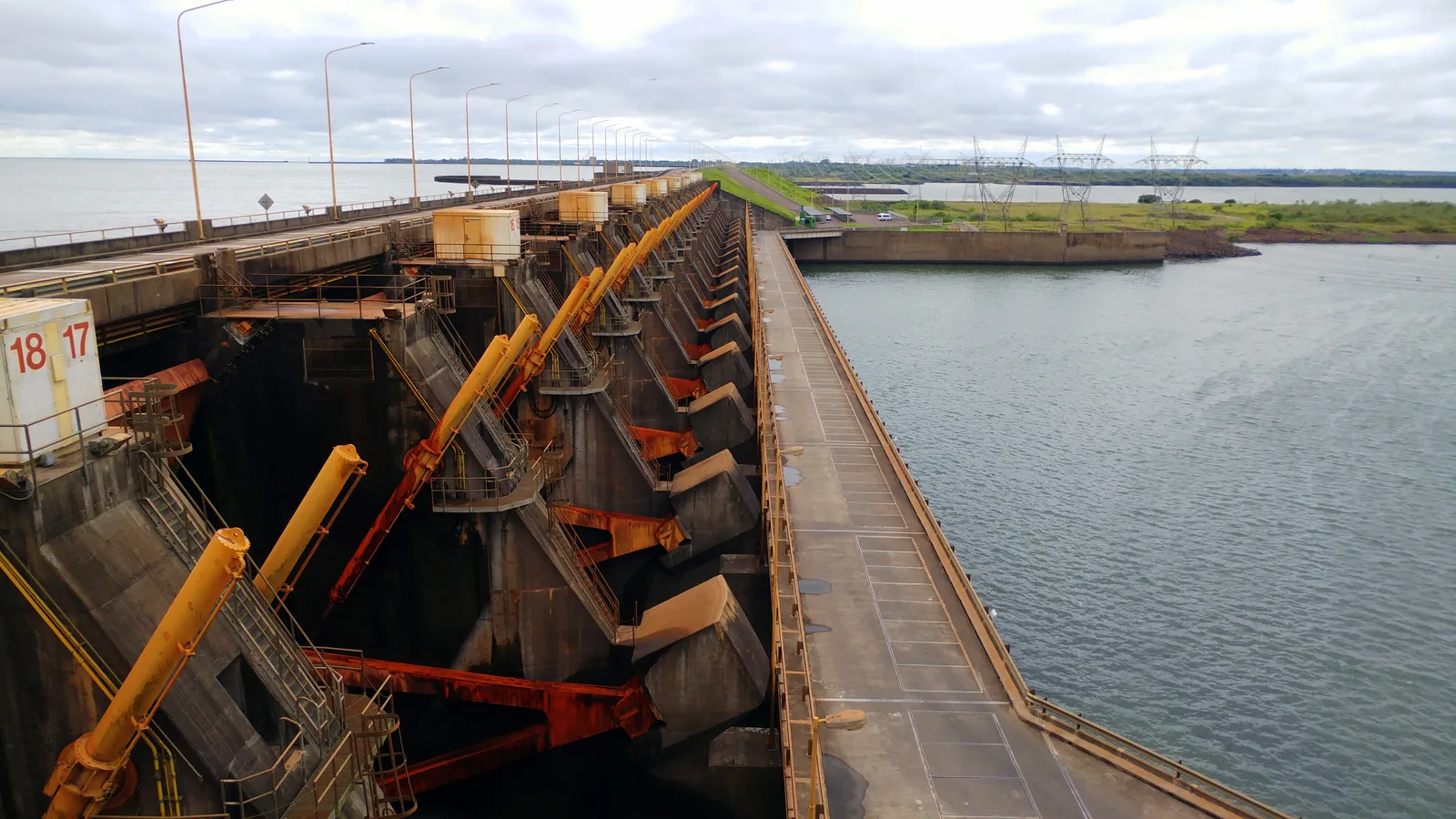
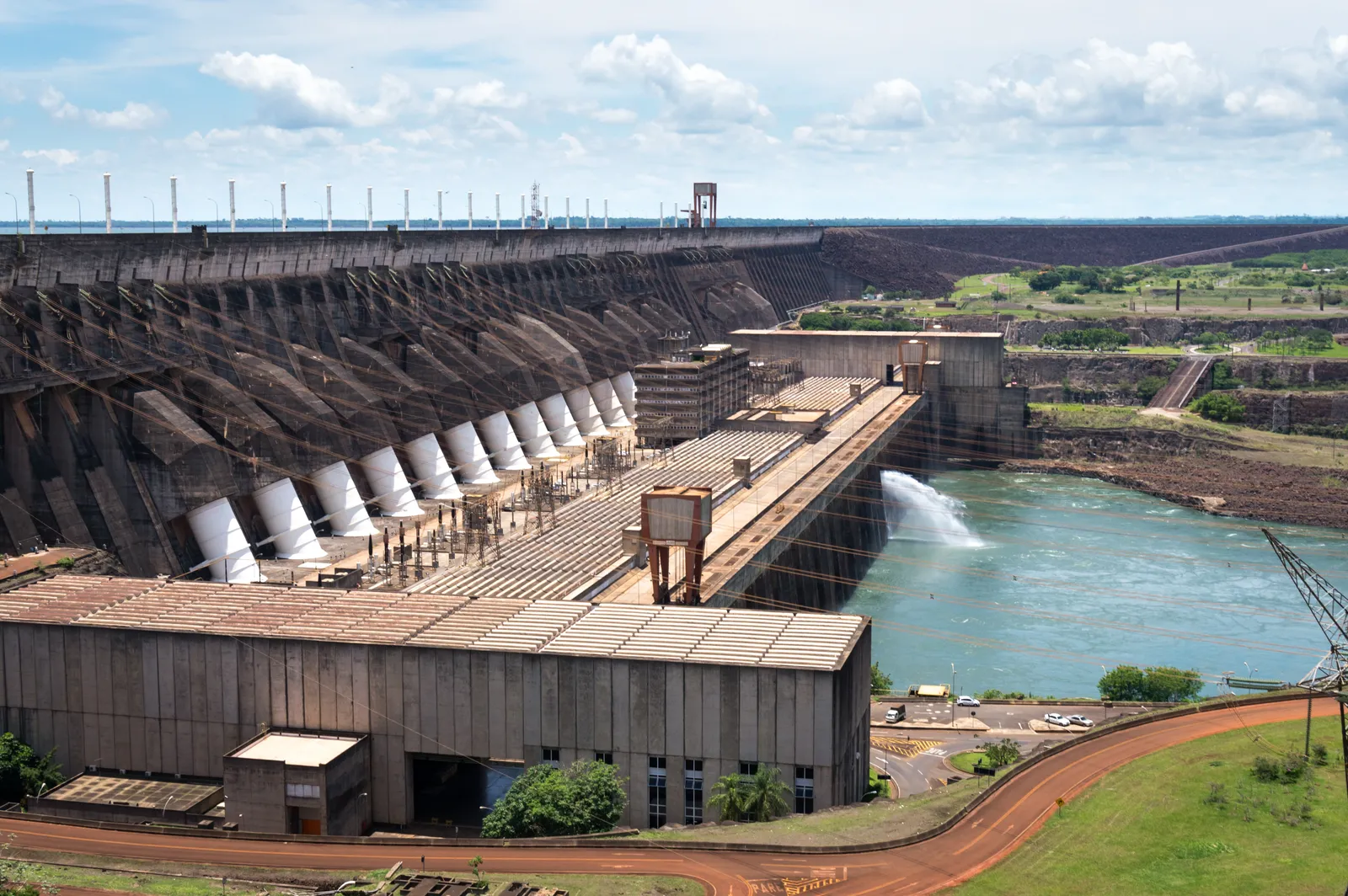
Giménez framed the moment as a decisive stage for the country's energy future. Paraguay's big hydro plants, Itaipú, Yacyretá and Acaray, are approaching the ceiling of what they can deliver, and within a few years peak demand could catch up with available supply. Today a large part of Paraguay's share of Itaipú still goes unused at home and is ceded to Brazil, but rising domestic consumption from industry and new mega-projects is closing that gap faster than expected.
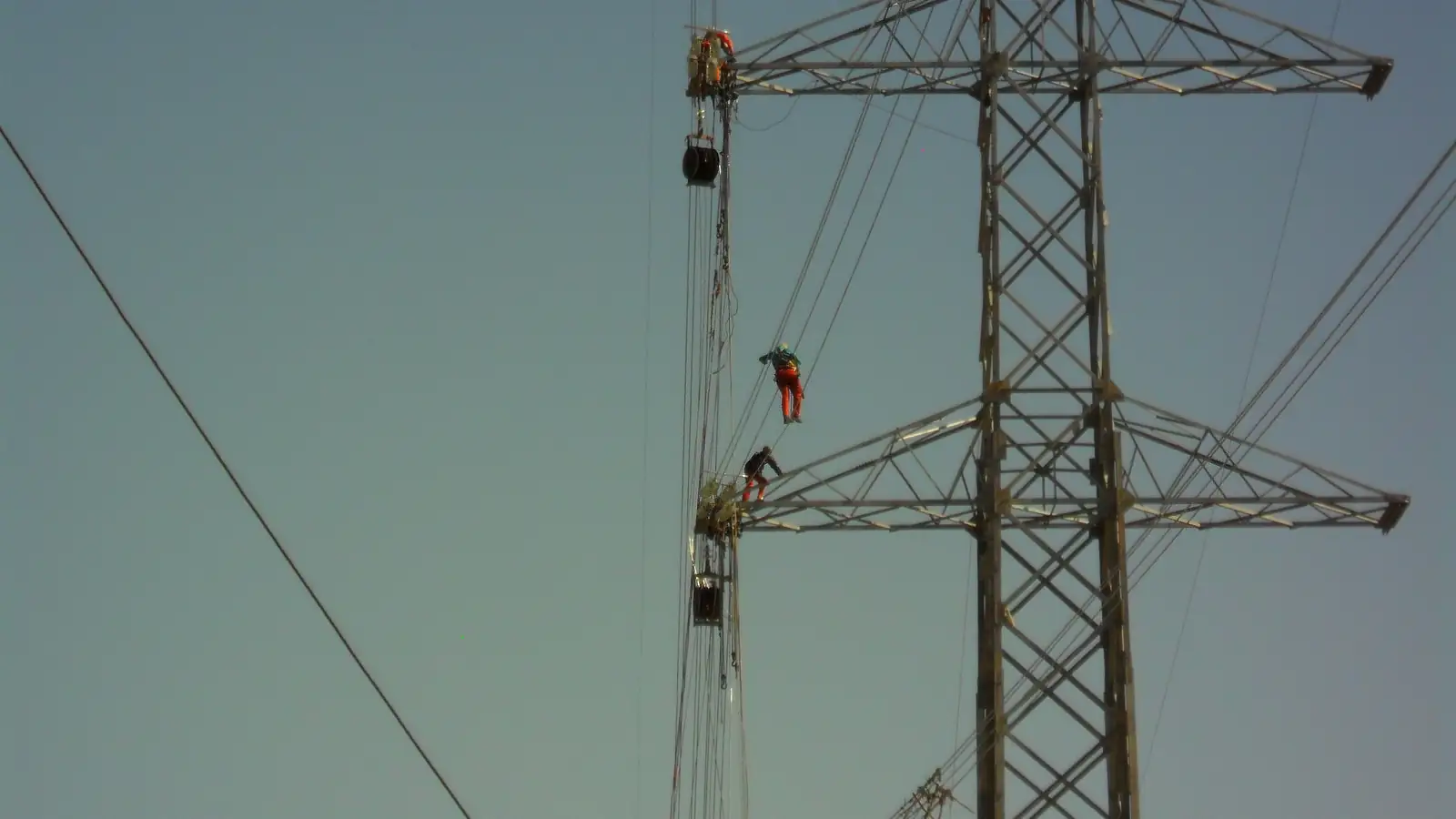
None of this is a blackout warning for tomorrow. It is a planning problem: build new capacity this decade, or watch a historic advantage quietly erode. The government is also pursuing the long-running review of Annex C of the Itaipú Treaty, which could let Paraguay sell surplus energy into Brazil's free market on better terms.
The Options on the Table
Giménez sketched a broad menu rather than a single fix. Natural gas is one route, drawing on Argentina's Vaca Muerta field through pipelines proposed via the Chaco, Formosa or Villa Hayes. Alongside it sit repowering the existing dams, solar paired with battery storage, wind farms in the Pedro Juan Caballero and Mbaracayú areas, and small hydroelectric plants.
One number stood out. A pilot for floating solar panels on the Itaipú reservoir was first estimated at $60 to $70 per megawatt-hour, but actual measurements came in at $30 to $35, about half the projection. The government also wants to open electricity generation to private capital, a real change for a sector long concentrated in the state utility ANDE.
What It Means for Expats and Investors
For anyone living in Paraguay, the practical takeaway is calm. Electricity here remains among the cheapest in the region, and nothing announced changes your bill this year; our guide to utility costs in Paraguay still holds. The story is about the next decade, not the next invoice.
For investors the angle is different and more interesting. Opening generation to private money, plus surging demand from industry and AI data centers, turns energy into an investable theme rather than a fixed backdrop; the broader landscape sits in our overview of investing in Paraguay. And to be clear, none of this touches the tax side: Paraguay's territorial taxation of foreign income is a residency question, not an energy one.
Frequently Asked Questions
Will electricity get more expensive in Paraguay?
Not because of this announcement. Giménez's warning is about generation capacity toward 2030, not near-term prices, and Paraguay's power remains cheap by regional standards. Longer term, whether prices move depends on how quickly new capacity is added and how fast demand grows. Treat current low tariffs as today's reality, not a locked-in guarantee.
Does Paraguay's shrinking power surplus change the 0% tax on foreign income?
No. The energy debate is about supply and infrastructure, not taxation. Paraguay's territorial system, under which foreign-source income is generally taxed at 0%, is unchanged, and what decides your position is genuine tax residency rather than the power grid. US citizens and green-card holders remain taxed on worldwide income regardless of where they live.
Disclaimer: This article is general information, not legal, tax or investment advice. Energy policy and projections can change; figures are as reported and should be verified against primary sources before you act on them.
Sources
- ▹ABC Color: Paraguay enters a "crucial" stage to avoid an energy crisis, according to Javier Giménez
- ▹MOPC: by 2030 Paraguay will consume all the energy from Itaipú, Yacyretá and Acaray
Thinking about a base in Paraguay? A short intro call sorts the headlines from what actually shapes your move: the residency steps, the cédula and the timeline. Get in touch.

About the author
Yannick Schroth
Founder · Paraguay relocation support
Spends regular time in Paraguay and, with his team on the ground in Asunción, guides international nomads, entrepreneurs and investors through residency, the cédula and the RUC paperwork.