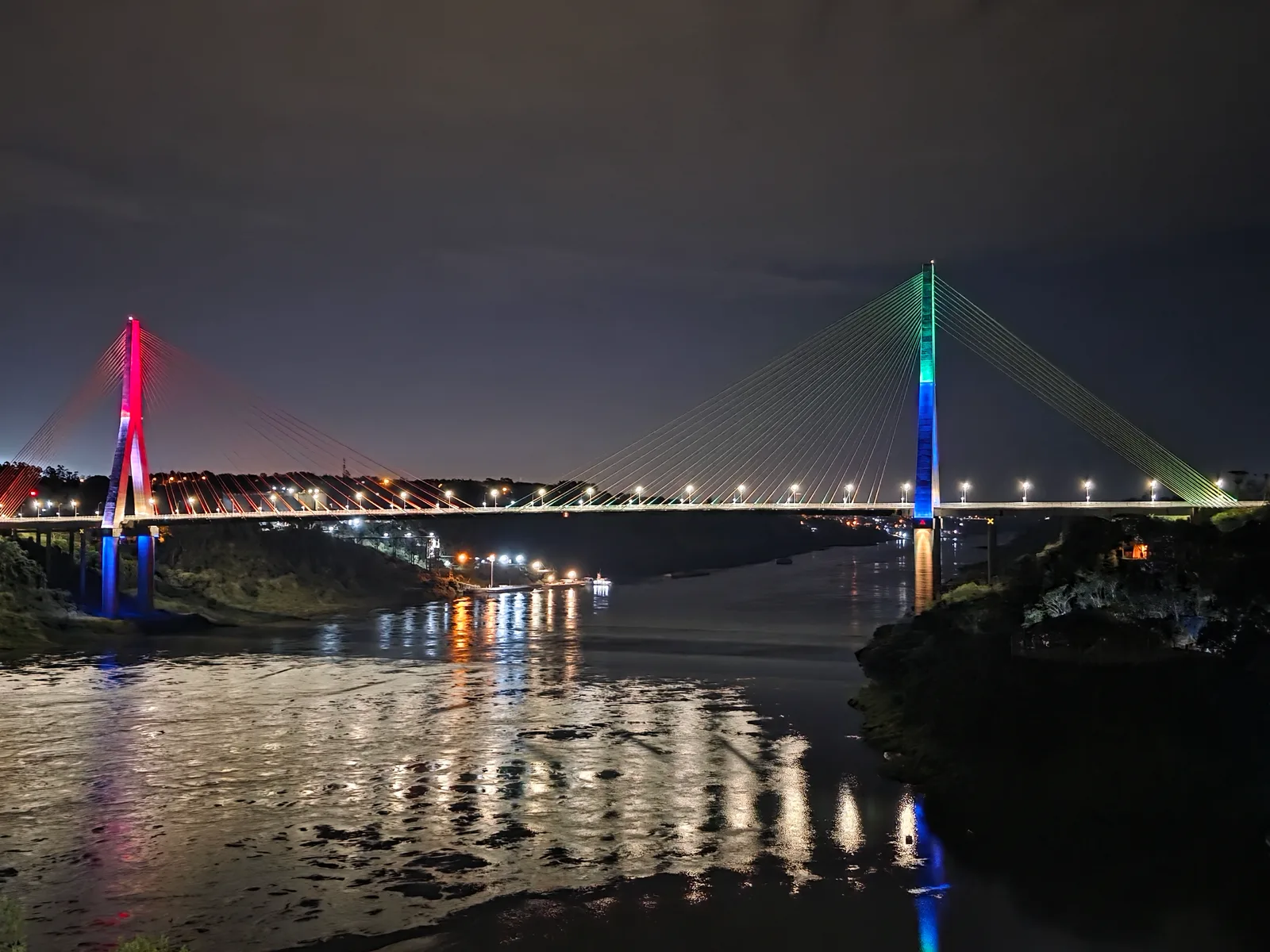
Anyone who crosses between Ciudad del Este and Foz do Iguaçu should check which bridge they are supposed to use from today. New traffic rules for the Puente de la Integración, the second crossing between Paraguay and Brazil, take effect on 3 August 2026, moving several categories of vehicle off the congested Friendship Bridge and onto the newer one.
What Changes on Monday
The schedule was set by the joint commission overseeing the bridge and announced on the Brazilian side by the Receita Federal in Foz do Iguaçu. It reads less like a single rule than a sorting exercise, with each category given its own crossing and hours:
| Vehicle type | New rule from 3 August |
|---|---|
| Light cargo vehicles | Cross empty via the Integration Bridge, 07:00–19:00; return loaded via the Friendship Bridge |
| Empty trucks | Extended hours on the Integration Bridge, 20:30–05:00 |
| Urban international buses (Presidente Franco ↔ Foz) | May route via the Integration Bridge, 07:00–19:00, with the border-resident transit document |
| Closed-circuit passenger services | Integration Bridge only, 24 hours, excluding Ciudad del Este and Foz do Iguaçu destinations |
| International scheduled bus lines | Integration Bridge only, 24 hours |
The light-cargo rule is the one most likely to catch people out, because it splits a single round trip across two bridges: out empty over one, back loaded over the other. That is deliberate, not an oversight.
Why Split the Traffic at All
The Friendship Bridge is the problem this is meant to solve. It carries roughly 43,000 vehicles and about 93,000 people on a normal day, a load that turns routine errands into hour-long waits and makes commercial timing unpredictable.
The Integration Bridge opened to take pressure off it, but has been brought into service in stages rather than all at once. Empty trucks were shifted across in December 2025, long-distance tourism buses followed in January 2026, and this is the next tranche. The stated aims are to reorganize the flow between the two crossings, cut the concentration of vehicles at the Friendship Bridge, and improve logistics efficiency at the border.
One piece is still missing, and it explains why the new bridge is not simply taking everything. The road access on the Paraguayan side is unfinished, so heavy traffic cannot yet be routed around the urban area of Presidente Franco. Until that road is done, the bridge runs below its real capacity and the phased approach continues.
What It Means If You Are Based There
For residents of Ciudad del Este and the surrounding area, this is mostly good news wrapped in a week or two of confusion. Fewer vehicle categories on the Friendship Bridge should mean shorter queues for ordinary car crossings, though the first days of any border rule change tend to be the worst ones to test it.
If you run an import or export operation, the split routing is worth building into your schedule rather than discovering at the barrier. The empty-out, loaded-back pattern for light cargo changes which customs post you deal with in each direction, and the 07:00–19:00 window is narrower than the hours some operators are used to. Our Ciudad del Este guide covers the city as a business base, and the import and export service explains how the trade side is usually structured.
For everyone else, the practical takeaway is smaller: check which bridge your bus company uses before you book, since scheduled international lines now cross exclusively on the Integration Bridge. If you drive yourself, our guide to driving in Paraguay covers the documents worth having in the car.
Frequently Asked Questions About the Bridge Rules
Which bridge do I use as a private car driver?
Nothing in this change targets ordinary private cars, so the Friendship Bridge remains the usual crossing for them. The point of the reshuffle is to move buses and light cargo away from it, which should ease the queues that private drivers sit in.
Why must light cargo cross empty one way and loaded the other?
Because the two bridges are being given different roles rather than duplicating each other. Sending light cargo out empty via the Integration Bridge and back loaded via the Friendship Bridge spreads the load and keeps the customs processing for goods concentrated where it already works.
Is the Integration Bridge now fully open?
Not yet in practice. It is operating in phases because the access road on the Paraguayan side is incomplete, and until that is finished heavy traffic cannot bypass the urban area of Presidente Franco. Expect further changes as construction progresses.
Thinking about Ciudad del Este as a base? We can talk through what the border economy actually means for a residency and business setup. Get in touch.
Disclaimer: This article is general information, not legal or customs advice. Border operating rules change frequently and are applied at the authorities' discretion on both sides. Confirm the current arrangement before you travel or move goods.
Sources

About the author
Yannick Schroth
Founder · Paraguay relocation advisor
Lives in Asunción and guides international nomads, entrepreneurs and investors through residency, the cédula and the RUC paperwork in Paraguay.