Most people arrive in Ciudad del Este for one reason: to buy something, sell something, or cross a border. Paraguay's second-largest city is a dense wall of electronics shops, import warehouses, and money changers pressed against the Paraná River, and it runs at a pace that makes Asunción feel sleepy.
This guide is the honest expat and business view of the city, approximate as of 2026: what the trade economy is actually like, what it costs to live here, who thrives in the noise, and who quietly leaves for somewhere calmer within a month.
Why Ciudad del Este Is Paraguay's Second City and Trade Capital
Ciudad del Este is Paraguay's second-largest city and, by a wide margin, its commercial engine. It sits on the tri-border where Paraguay, Brazil, and Argentina meet, directly across the river from Foz do Iguaçu in Brazil and a short drive from Puerto Iguazú in Argentina. That location is the whole story. The city grew up around cross-border shopping and duty-free trade, and everything about it, from the traffic to the architecture, follows from that.
Where Asunción is a capital with government, embassies, and leafy residential barrios, the city is a working trade town. The downtown is a grid of shopping galleries stacked three and four floors high, selling electronics, perfume, phones, watches, and every imported gadget imaginable to buyers who cross from Brazil to pay lower prices. It is loud, transactional, and unpretentious. For the right person, that energy is the appeal. For others, it is exactly what they came to Paraguay to avoid.
The Import-Export Economy That Powers Paraguay's Trade Hub
The commercial heart of the city is its import-export and duty-free trade. For decades the city has functioned as a giant re-export market: goods land here at low duty, and Brazilian and Argentine shoppers cross the border to buy them cheaper than at home. On a busy day the downtown moves an enormous volume of retail, and the whole ecosystem around it, customs agents, freight forwarders, currency changers, and small importers, exists to keep that flow going.
For an entrepreneur, this is the draw. The city rewards people who understand logistics, sourcing, and cross-border margins. Plenty of expats here run import businesses, source electronics for resale, or handle trade between the three countries. The formal economy sits alongside a large informal one, and the rules around what crosses the bridge and at what duty change over time, so anyone doing business needs current, local advice rather than a guidebook figure. What is consistent is the mindset: this is a place where commerce, not bureaucracy, sets the rhythm.
The Friendship Bridge and Cross-Border Trade With Brazil
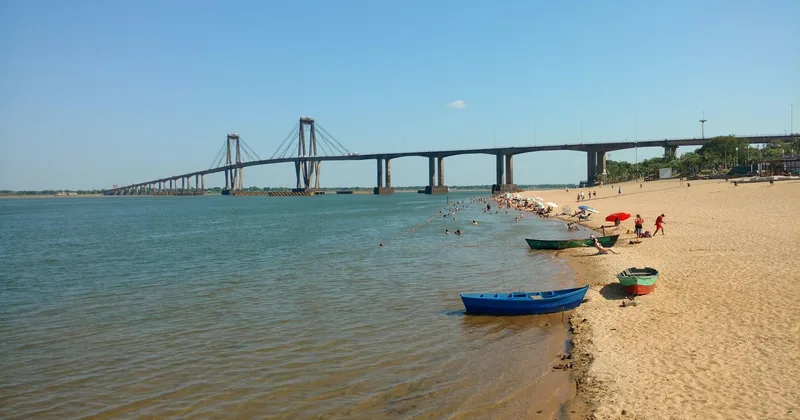
The Friendship Bridge (Puente de la Amistad) over the Paraná River is the physical link that makes the city what it is. It connects the city directly to Foz do Iguaçu in Brazil, and on any given day it carries a heavy stream of shoppers, traders, buses, and freight in both directions. The bridge is the single busiest artery of the city's economy, and its congestion is legendary; crossing at peak hours can take a long, hot while.
That border position gives the city a genuinely international feel. You hear Portuguese as often as Spanish downtown, prices are quoted in several currencies, and the Brazilian real is as useful in some shops as the Paraguayan guaraní. For residents, the practical upside is easy access to a second country: Foz do Iguaçu adds Brazilian supermarkets, an airport with more connections, and a different set of services just across the river.
If you want a sense of how movement across Paraguay's borders works in practice, the guide to travel from Paraguay to neighboring countries covers the crossings and what to expect.
Itaipú Dam and the Iguazú Falls Nearby
Two of South America's headline sights sit on the city's doorstep. The Itaipú hydroelectric dam, one of the largest power plants on earth and a joint Paraguay-Brazil project, is a short drive north of the city and runs visitor tours of its colossal turbines and reservoir. It is a genuine engineering spectacle, and for a city better known for shopping, it is a reminder of the scale of infrastructure on this stretch of the Paraná.
The Iguazú Falls, one of the great waterfall systems in the world, lie close by on the Argentina-Brazil border, reachable as a day trip through Foz do Iguaçu. Between the falls, the dam, and the tri-border itself, the surrounding area has more natural and man-made spectacle than anywhere else in Paraguay. If you are mapping out what the wider country offers beyond the trade downtown, the overview of things to do across Paraguay puts these sights in context. Living here, you end up with world-class attractions as ordinary weekend options.
The Fast, Chaotic Commercial Energy Unique in Paraguay
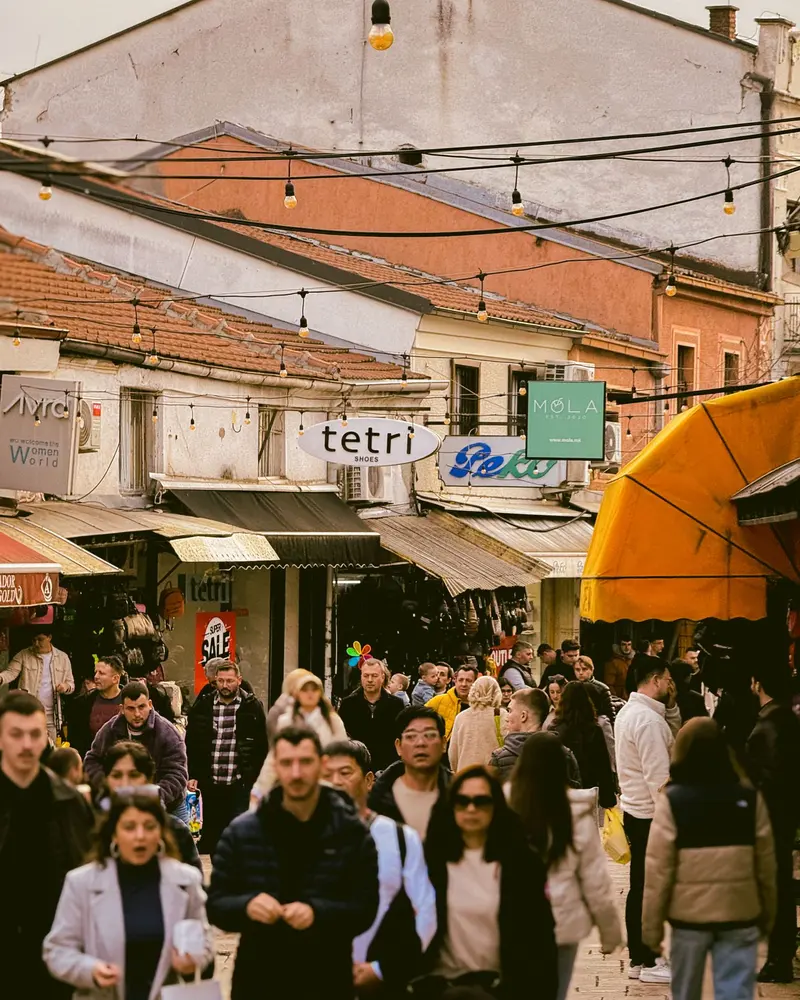
There is no polite way to say it: the city is busier and more chaotic than Asunción, and considerably more so than a quiet interior town. The downtown trade district is intense. Sidewalks are crowded, touts call out deals, motorbikes weave through gridlocked traffic, and the sensory volume stays high from morning until the shops close. It is a border trade city doing what border trade cities do, and it does not slow down for newcomers.
Step away from the commercial core and the city softens. Residential neighborhoods, gated developments, and the greener areas toward the river and the university district are calmer and more ordinary, with the everyday pace of any mid-size South American city. Many residents live in these quieter zones and treat downtown as a place they visit for work rather than somewhere they linger. The city has two speeds, and knowing which one you are stepping into matters.
The commercial energy is real, and for some people it is invigorating rather than exhausting.
Who the Trade Hub Suits, and Which Expats Find It Hectic
Ciudad del Este suits traders, importers, and entrepreneurs doing cross-border business. If your work touches sourcing, logistics, re-export, or trade between Paraguay, Brazil, and Argentina, being on the ground here is a real advantage that no other Paraguayan city offers. The same goes for anyone energized by a fast, deal-driven, transactional environment, or who wants easy, frequent access to Brazil. For these people the city is a natural base rather than a compromise.
It suits others far less. Retirees seeking calm, remote workers who could live anywhere and want quiet and greenery, and families prioritizing a slower, residential lifestyle usually find Asunción, Encarnación, or a smaller town a better fit. The heat, the traffic, the noise, and the frontier bustle wear on people who did not come for the commerce. My honest read after time in Paraguay is simple: come to Ciudad del Este for the business or the border, not for the postcard. If those pull you, the city delivers.
Weighing Ciudad del Este against Asunción or Encarnación for your move? A short intro call explains what our residency packages handle, whichever city you settle in. Get in touch.
Cost of Living in the Border City
The cost of living in Ciudad del Este is moderate and broadly in line with the rest of Paraguay, which means low by international standards. A comfortable single person can live here on roughly $1,100 to $1,600 a month as of 2026, covering rent, groceries, utilities, transport, and private health cover, with the usual caveat that imported tastes and constant dining out push the figure higher. Local food, produce, and services are genuinely cheap, and the border means some goods are cheaper here than elsewhere in the country.
One quirk of a trade city is that prices can behave unusually. Electronics and imported goods are often cheaper than in Asunción thanks to the duty-free trade, while some services track Brazilian pricing because so much money crosses the bridge. Utilities and everyday local costs sit at normal Paraguayan levels. For the detailed monthly breakdowns that apply across the country, the guide to the cost of living in Paraguay for 2026 gives category-by-category figures you can adapt to Ciudad del Este.
Housing and Rent in the City in USD
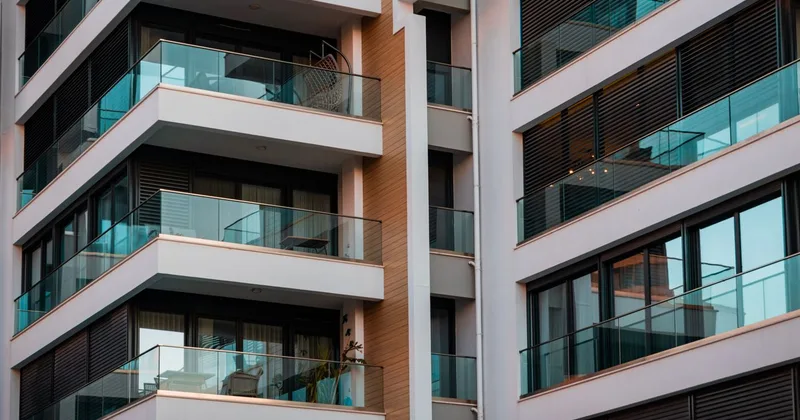
Rents in the city are moderate and generally a little below Asunción's upscale neighborhoods. As of 2026, a furnished one-bedroom apartment in a decent area of the city runs approximately $350 to $600 a month, with newer buildings offering security and amenities toward the top of that range. A larger two-bedroom or a house in a quieter residential or gated zone typically falls somewhere around $600 to $1,000, depending on size, finish, and how far it sits from the commercial center.
Where you live shapes the experience more here than in most Paraguayan cities. Living downtown puts you in the middle of the trade energy, cheap and central but loud. Choosing a residential neighborhood, a gated development, or an area near the river and the university gives you calm at the cost of a commute into the action. Higher-end units are sometimes quoted in US dollars while local ones are priced in guaraníes, and as elsewhere in Paraguay, landlords commonly ask for a deposit plus a guarantor.
Treat these ranges as approximate and negotiate on the ground.
Safety in the Border City: The Honest Caveats
Safety in Ciudad del Este deserves a frank word, because a busy border trade city carries risks a quiet capital neighborhood does not. The downtown commercial zone concentrates cash, high-value goods, and huge foot traffic, which naturally attracts petty crime such as pickpocketing and opportunistic theft. Border areas anywhere in the world see more smuggling and informal activity, and the city is no exception. This is not a reason to stay away, but it is a reason to be street-smart rather than naive.
The practical advice is the ordinary advice, applied with a little more care. Keep valuables discreet downtown, stay alert in dense crowds, avoid flashing cash or expensive phones in the trade district, and use normal caution after dark. Residential neighborhoods away from the commercial core feel much like any mid-size city. For the country-wide picture and how Paraguay compares on safety, the guide to whether Paraguay is safe sets out the realistic view. Common sense goes a long way in Ciudad del Este.
The Practical Verdict on Living in Ciudad del Este
Ciudad del Este is a specialist choice, and that is the fairest way to frame it. It is Paraguay's trade capital, a genuinely international border city with cheap goods, easy access to Brazil, and world-class sights nearby, wrapped in an intensity that is either energizing or exhausting depending on who you are. Nobody should choose it by default; people should choose it because the commerce, the border, or the pace actively suit them.
If you are a trader, importer, or entrepreneur, few places on the continent put you closer to the action. If you want quiet, greenery, and a slow expat life, Paraguay has better options and you should look at them first. The honest test is what pulls you: the deal-making frontier, or the postcard. Ciudad del Este answers the first question emphatically and the second one not at all, and knowing which you are asking is most of the decision.
Looking at residency in Paraguay? See what is handled for you at each package level. Explore the packages.
Frequently Asked Questions About the Triple Frontier City
Is Ciudad del Este worth living in for expats?
Ciudad del Este is worth it for expats doing cross-border trade, import-export, or business with Brazil and Argentina, thanks to its tri-border location and duty-free economy. Those wanting a quiet, residential, or slow lifestyle usually prefer Asunción or Encarnación. It suits commerce and energy, not calm.
Is Ciudad del Este safe for expats?
Ciudad del Este is reasonably safe with normal precautions, but its busy downtown trade district sees petty crime such as pickpocketing, as border cities worldwide do. Keep valuables discreet, stay alert in crowds, and use ordinary caution after dark. Residential neighborhoods away from the commercial core feel much calmer.
What is the cost of living in Ciudad del Este?
The cost of living in the city is moderate and low by international standards. A comfortable single person spends roughly $1,100 to $1,600 a month as of 2026, covering rent, food, utilities, transport, and private health cover. Local goods are cheap, and some imported items cost less than in the capital.
How much is rent in Ciudad del Este?
As of 2026, a furnished one-bedroom apartment in a decent area of the city runs approximately $350 to $600 a month, and a two-bedroom or small house around $600 to $1,000. Downtown is cheaper but loud; quieter residential and gated areas cost more for the calm.
What is Ciudad del Este known for?
Ciudad del Este is known as Paraguay's second-largest city and its trade capital, a major shopping and duty-free hub on the tri-border with Brazil and Argentina. It is famous for the Friendship Bridge to Foz do Iguaçu, the nearby Itaipú dam, and its proximity to the Iguazú Falls.
How do you get from Ciudad del Este to Brazil?
You cross the Friendship Bridge over the Paraná River, which links Ciudad del Este directly to Foz do Iguaçu in Brazil. It is heavily used by shoppers and traders and can be very congested at peak hours. From Foz you can reach Brazilian services, its airport, and the Iguazú Falls.
Disclaimer: This article is general information. Costs, trade rules, and amenities in Ciudad del Este change over time. Confirm current details before you relocate or do business.

About the author
Yannick Schroth
Founder · Paraguay relocation support
Spends regular time in Paraguay and, with his team on the ground in Asunción, guides international nomads, entrepreneurs and investors through residency, the cédula and the RUC paperwork.
Note: this article reflects the position at the time of publication. Laws, prices and deadlines can change, so individual details may since be out of date. Check the current rules before you act on them: we answer questions about residency and our services, while the tax treatment of your own case belongs with a qualified tax adviser.