Prices in Paraguay fell for a second month running. The Banco Central del Paraguay (BCP) reported on 3 August 2026 that the consumer price index slipped 0.1% in July, taking annual inflation down to 1.6%, far below the central bank's 3.5% target for the year.
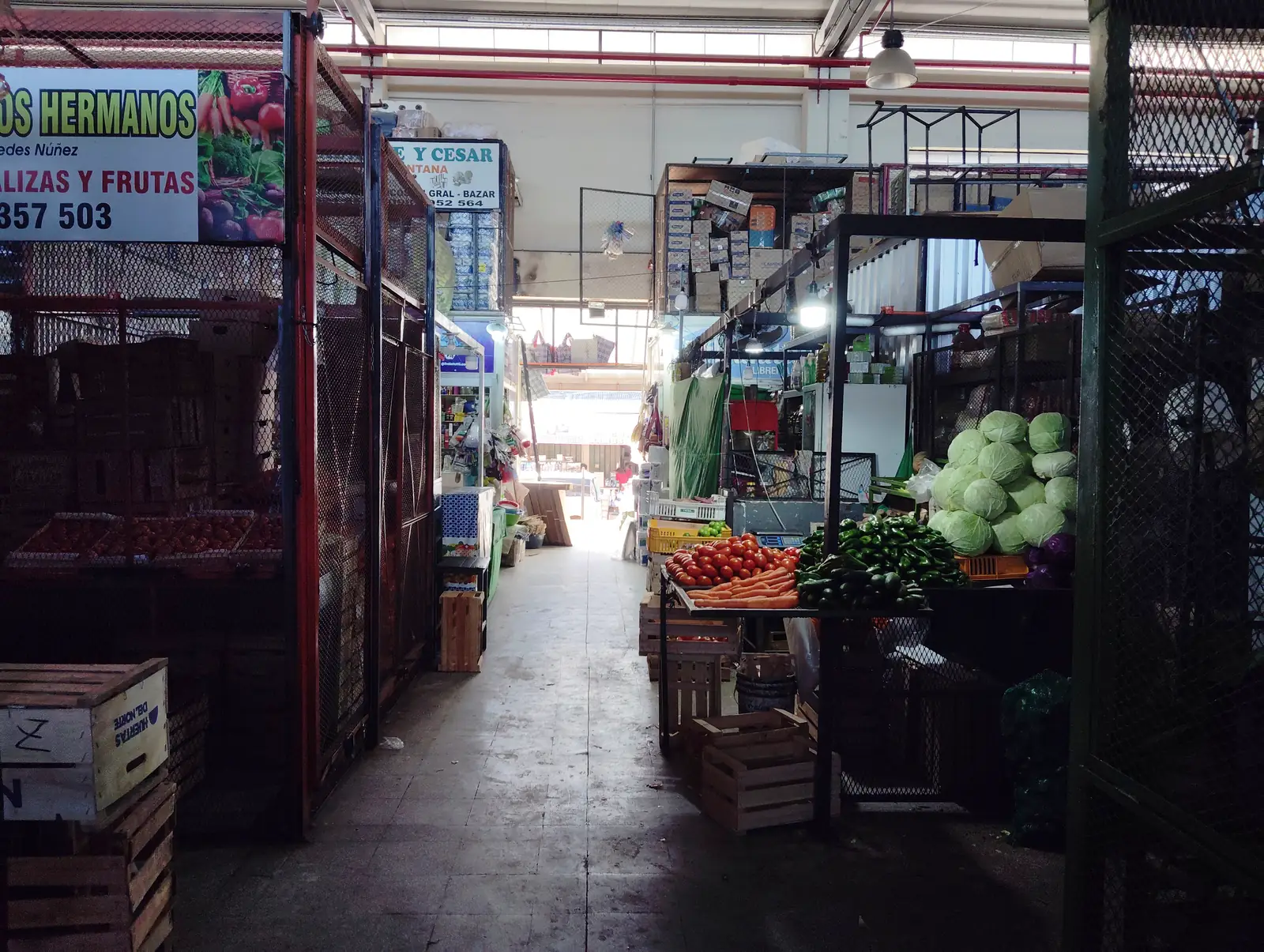
Two Months of Falling Prices Is Unusual
June already registered -0.3%. July's -0.1% makes it two consecutive months of outright deflation, a sequence Paraguay rarely produces.
The cumulative figure for the year now stands at 1.8%, against 3.3% over the same stretch of 2025. Annual inflation eased from 2.1% in June to 1.6%, and core inflation, which strips out the most volatile items, slowed from 1.7% to 1.5% on the measure in the BCP's monthly price report (the BCP tracks several core series, which is why other reports cite slightly different figures).
For regional context, La Nación reported in July that Paraguay was the only South American economy to record formal deflation in June. Chile came in flat, Argentina at 1.90% for the month and Bolivia at 2.15%.
Food and Fuel Did Almost All of It
The BCP attributes the monthly fall mainly to cheaper food in the categories people buy most often: fruit, vegetables, leafy greens, eggs, rice and pasta. Meat moved the same way, with pork down 1.3% and poultry down 0.1%, alongside several cuts of beef.
Fuel was the other lever. Common and additive diesel and both grades of gasoline fell, tracking the drop in oil prices from the second half of June into the first half of July.
A third factor sits underneath both: the guaraní. A currency running roughly 19.7% stronger than a year ago makes every imported good cheaper in local terms, from fuel to durables, which is why the same appreciation that is denting customs revenue also shows up as softer prices on the shelf.
Goods Fell. Services Did Not.
The headline hides a split worth seeing. Measured year-on-year, the categories that rose were overwhelmingly services: restaurants and hotels +9.7%, education +5.9%, furniture and household goods +2.1%, health +1.9%, and housing and utilities +1.8%. Transport fell 1.1%.
So the index is an average of two opposite movements. Tradable goods, which are exposed to the exchange rate and to global commodity prices, are getting cheaper. Domestic services, which are priced in wages and rent, are still climbing at a pace that has nothing to do with the -0.1% headline.
What a Deflation Print Means If You Are Moving Here
Read the categories, not the headline. A newcomer's spending is unusually service-heavy: rent, restaurants, a clinic, a gym, school fees, someone to help in the house. That basket looks a lot more like the +9.7% line than the -0.1% one.
Groceries and fuel genuinely are cheaper than they were in spring, which is real and welcome. But nobody relocating to Asunción should read a deflation headline as a promise that their monthly outgoings will fall. The figures in our cost of living guide and rental guide sit in the service half of the index, which is the half still rising.
Stack that on the currency picture and the practical conclusion is narrow. Paraguay remains inexpensive by any international comparison, and the macro backdrop of 4.5% projected growth with inflation under target is a genuinely good one. Your personal cost curve, though, is flatter than the national index suggests, not lower.
None of this touches the tax side. Inflation is a price measurement, not a rule change, and Paraguay's territorial system continues to leave foreign-source income outside the local income tax with genuine tax residency.
US citizens and green-card holders: your position is unchanged here too. The United States taxes worldwide income on the basis of citizenship, so living in Paraguay does not exempt you from filing and paying at home, whatever the local price index does.
Frequently Asked Questions
Is Paraguay actually getting cheaper?
In goods, yes, for now. Food and fuel drove both months of deflation, helped by a strong guaraní and lower oil prices. Services kept rising. Whether the country feels cheaper to you depends almost entirely on which of those two baskets your money goes into.
Will Paraguay's central bank cut interest rates because of deflation?
It has not said so. The BCP held its policy rate at 5.50% on 23 July, with inflation already running below target. A second sub-target month adds to the case for easing, but no decision has been announced, and the bank has signaled that it is watching oil prices and the US Federal Reserve.
Could deflation be a bad sign for Paraguay's economy?
Two months of falling prices driven by cheaper food and fuel is not the same thing as a demand collapse, and the BCP raised its 2026 growth forecast to 4.5% in the same period. Sustained deflation would be a warning; a supply-led dip in two volatile categories is not.
Weighing what Paraguay would cost you month to month? A short intro call covers the residency route and how our packages work. Tax structuring is outside what we handle, so we refer those questions to licensed local advisers. Get in touch.
Disclaimer: This article is general information, not tax or financial advice. Price statistics are revised and inflation data changes monthly. Verify current figures with the Banco Central del Paraguay or a qualified adviser before making decisions.
Sources
- ▹Banco Central del Paraguay: Índice de Precios al Consumidor (IPC)
- ▹ABC Color: Nuevamente deflación en julio, dos rubros que bajaron de precio son los que más pesaron, según el BCP
- ▹Diario HOY: La inflación de julio fue del -0,1% impulsada por la caída en alimentos y combustibles
- ▹La Nación: Paraguay lideró la estabilidad de precios en junio con deflación de 0,3%

About the author
Yannick Schroth
Founder · Paraguay relocation support
Spends regular time in Paraguay and, with his team on the ground in Asunción, guides international nomads, entrepreneurs and investors through residency, the cédula and the RUC paperwork.