Paraguay's macro story keeps getting a little better on paper. In mid-July 2026 the Banco Central del Paraguay (BCP) nudged its growth projection for the year up to 4.5%, from 4.2%, and trimmed its inflation forecast to 3.3%. The International Monetary Fund landed close behind at 4.4%. For a country selling itself as a stable base, the direction of travel matters more than the decimal.
Growth Up, Inflation Down
The BCP lifted 2026 GDP growth to 4.5%, from 4.2% in its earlier round, and cut the inflation projection to 3.3%, comfortably inside its 3.5% target; annual inflation in June ran near 2.1%. It also raised its export-growth expectation from 2.6% to 3.5%, a projection inside the GDP accounts rather than the dollar value of shipments, which is why it looks small beside the 23.6% rise in export values in the half-year trade figures. The monetary-policy rate stayed at 5.50%.
The IMF, in its own July update, put 2026 growth at 4.4% while flagging external risks.
What Is Driving the Upgrade
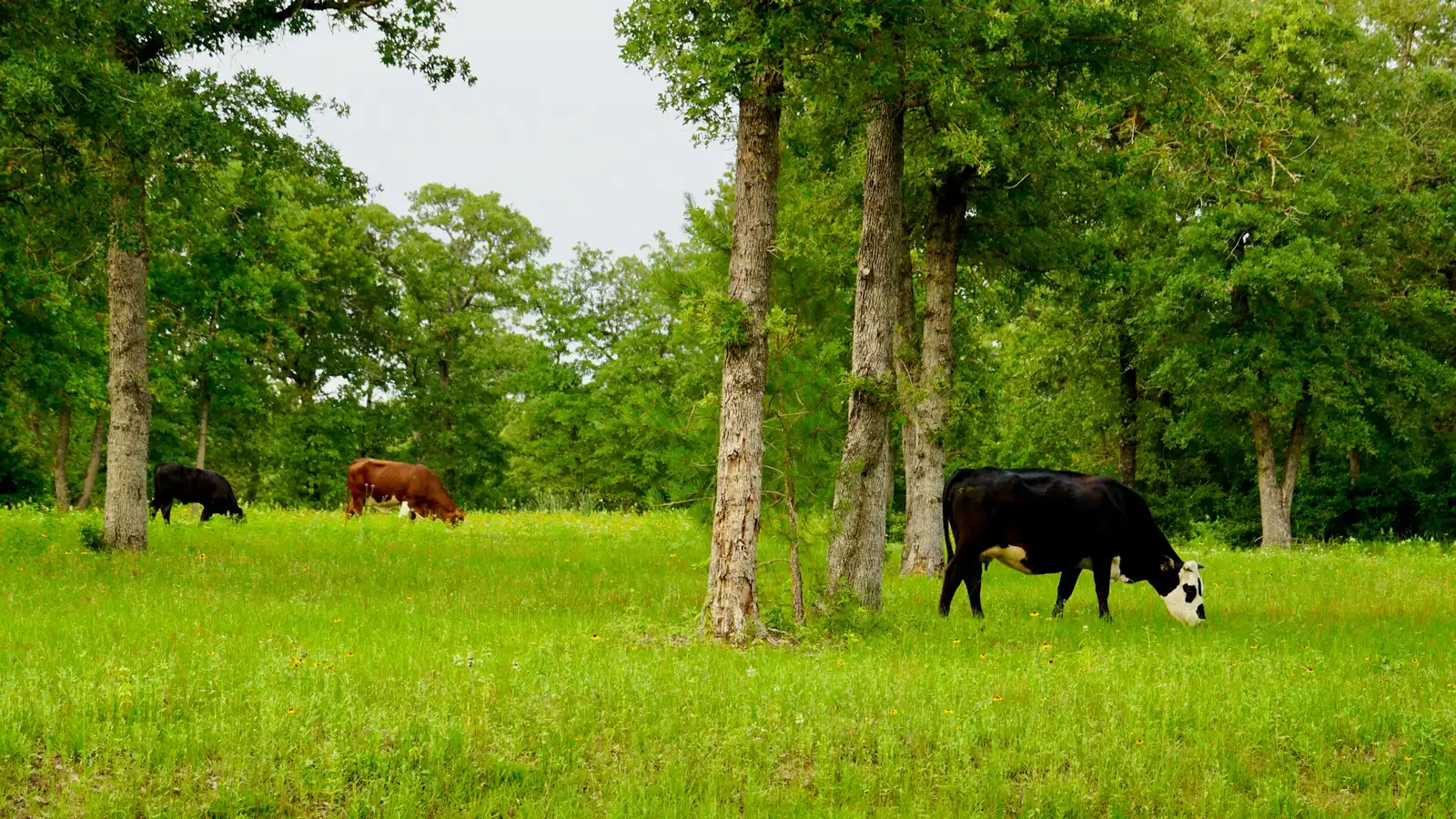
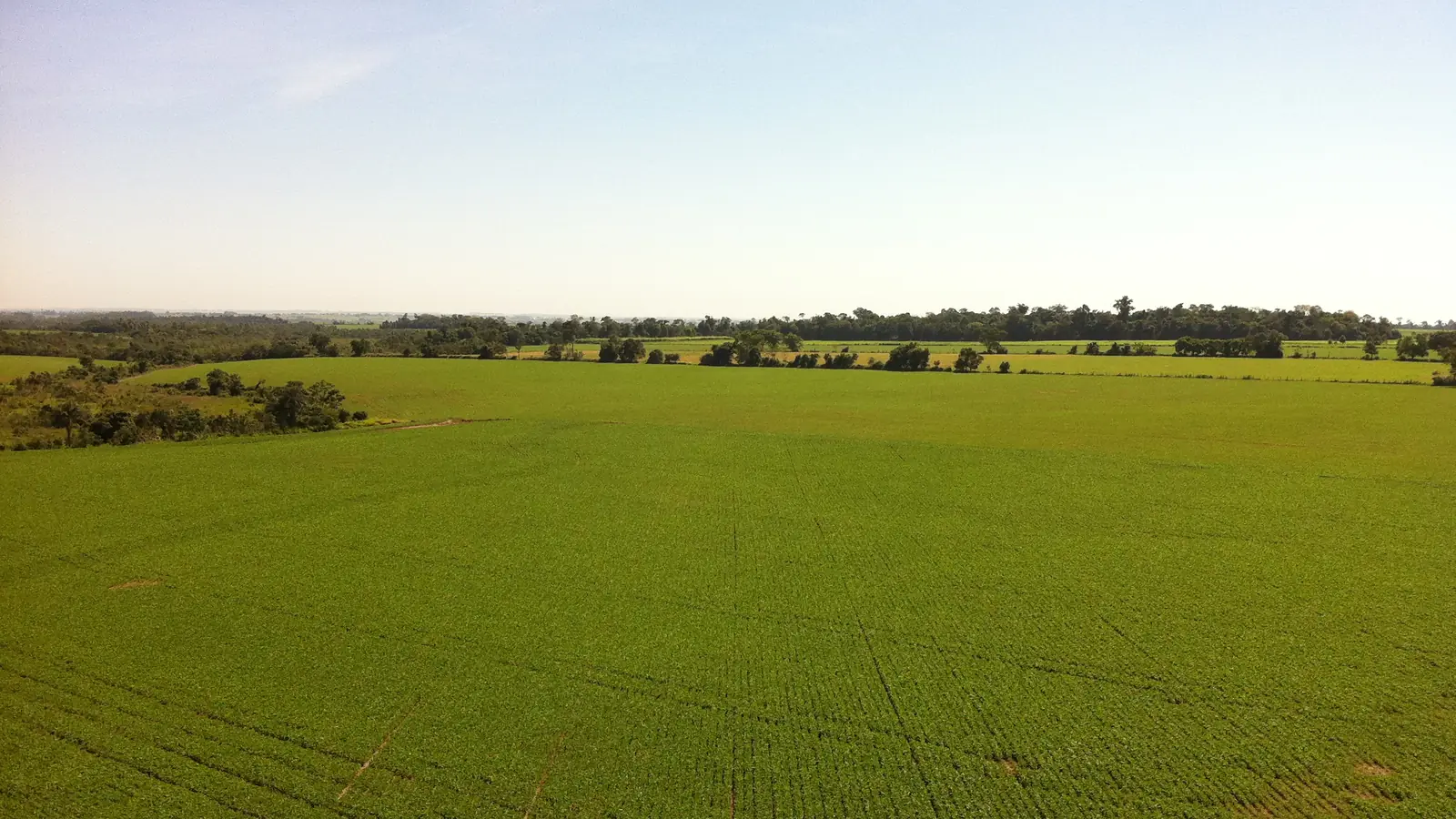
The revision rests largely on agriculture. The BCP pointed to a stronger soybean harvest, Paraguay's leading export, alongside oils and chemical products lifting export volumes. That extends the picture from 2025, a year of 6.6% growth, and confirms a farm sector that has become the engine behind the country's headline numbers, as President Peña underlined at this year's farm expo.
Why It Matters for a Stable Base
For anyone weighing Paraguay as a relocation base, a forecast is context, not a personal event. But steadier growth and low, on-target inflation are exactly what underwrite the stability the pitch depends on: they support the currency, keep the cost of living contained, and reinforce the investment-grade ratings that put Paraguay in rare company in the region. A calm macro backdrop is part of why a long-term plan here feels less risky.
What It Means for You
On a personal level, nothing here changes the rules. A growth-forecast revision does not touch how you are taxed. Paraguay's territorial treatment of foreign income still depends on genuine tax residency, and US citizens and green-card holders remain taxed by the IRS on their worldwide income wherever they live. Take US-qualified advice if that applies to you.
The practical read: treat the numbers as reassurance about the backdrop, not a reason to rush. If you are weighing Paraguay as a long-term base, our overview of investing in Paraguay covers the substance rather than the headline.
Frequently Asked Questions
How fast is Paraguay's economy growing in 2026?
The central bank projects 4.5% GDP growth for 2026, up from an earlier 4.2%, and the IMF is close behind at 4.4%. Inflation is forecast around 3.3%, inside the 3.5% target, with the policy rate held at 5.50%. The main driver is a strong agricultural year led by soybeans.
Does faster growth change Paraguay's taxes?
No. A growth or inflation forecast is macro context, not a change to the rules. Paraguay's territorial system still taxes foreign-source income at 0% in principle with genuine tax residency, and US persons remain taxed by the IRS on worldwide income regardless of where they live.
Deciding whether the macro picture is stable enough to commit to? A free first conversation sets out how long residency and the cédula take, so you can match the paperwork to your own timeline. Talk to us.
Disclaimer: This article is general information, not investment, financial or tax advice. Economic projections are estimates and are revised over time. Confirm current figures with an official source before acting.
Sources

About the author
Yannick Schroth
Founder · Paraguay relocation support
Spends regular time in Paraguay and, with his team on the ground in Asunción, guides international nomads, entrepreneurs and investors through residency, the cédula and the RUC paperwork.