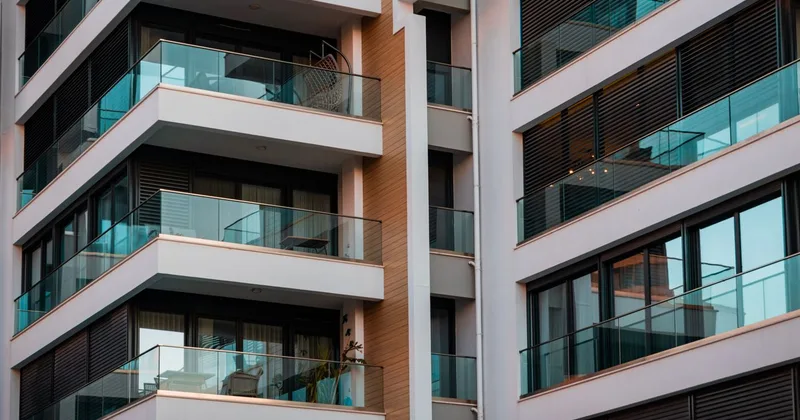
You have found the country, maybe even the neighborhood, and now you need a roof over your head. Renting an apartment in Paraguay works differently from what most newcomers expect: listings live on WhatsApp as often as on polished portals, leases are written in Spanish, and a landlord may ask a stranger from abroad for a local guarantor before handing over the keys. Judging by what our Asunción team sees as clients settle in, the process is manageable once you understand the rules.
This guide walks through where to search, what you will realistically pay, which documents you need, and how the deposit and garante system actually works.
What Renting an Apartment in Paraguay Involves in 2026
Renting an apartment in Paraguay usually means finding a unit through a portal, an agent, or a WhatsApp group, signing a Spanish-language lease, and paying a deposit of one to two months. In many cases the landlord also asks for a local guarantor. Most foreigners land in Asunción, where furnished apartments are widely available and the process moves faster than the paperwork suggests.
The market splits along two lines that matter for a newcomer. First, furnished versus unfurnished, which decides both your monthly rent and how much you spend on arrival. Second, the type of landlord: a professional building with an on-site administrator behaves very differently from a private owner renting a single flat through a cousin's WhatsApp status. Knowing which one you are dealing with tells you how flexible the terms will be and how much documentation you will need to hand over.
Prices below are approximate and as of 2026. Rents in Paraguay move with inflation and with the guaraní's exchange rate against the US dollar, and upscale units are often quoted in dollars while local ones are quoted in guaraníes. Treat every figure as a starting point for your own search, not a fixed tariff.
Typical Rents by Neighborhood When Renting an Apartment in Asunción
The single biggest driver of what you pay when renting an apartment in Paraguay is the neighborhood. The table below shows approximate monthly rents for an unfurnished two-bedroom apartment across the Asunción areas newcomers gravitate toward, as of 2026, on the same scale the neighborhood guides on this site use.
| Neighborhood | Unfurnished 2-bedroom, monthly USD (approx. 2026) |
|---|---|
| Villa Morra | $750–1,100 |
| Santa Teresa | $750–1,100 |
| Manorá | $700–1,100 |
| Carmelitas | $700–1,050 |
| Ycuá Satí | $650–1,000 |
| Recoleta | $650–950 |
| Las Mercedes | $550–850 |
| Mburucuyá | $500–750 |
| Santísima Trinidad | $420–680 |
Villa Morra and Santa Teresa sit at the top, because Villa Morra is the city's commercial and social heart, full of cafes, malls, and clinics within walking distance; a furnished one-bedroom in one of its newest towers with pool, gym and 24-hour security asks $1,000 to $1,400. Manorá, Carmelitas and Ycuá Satí follow closely, with quieter residential streets close in. Recoleta and Las Mercedes cost a little less for the same central convenience, while Mburucuyá and Santísima Trinidad stretch a budget further.
Downtown (Centro), Barrio Jara and outer barrios such as San Vicente generally sit below these bands, though many expats find the center quieter after dark and less practical day to day. Families who want a house rather than a flat often look at Los Laureles, where three-bedroom houses are listed at roughly $1,100 to $2,500 a month. For a street-by-street breakdown of who each area suits, the guide to the best neighborhoods in Asunción goes deeper than a single table can.
Where to Look When Renting an Apartment in Paraguay
There is no single dominant portal the way there is in North America or Europe, so renting an apartment in Paraguay rewards searching several channels at once. The main property portals are InfoCasas and Clasipar, where agencies and owners post both sales and rentals with photos and filters. These are the natural first stop to gauge prices and see what is available in your target neighborhood.
Real-estate agents (inmobiliarias) handle a large share of the mid and upper market. A reputable agency can shortlist units, arrange viewings, and walk you through the lease, which is worth a lot when the contract is in Spanish and you are new in the country. Agencies typically charge a commission, often around one month's rent, usually paid once at signing. Confirm who pays it and how much before you view anything, because practices vary between agencies.
The channel newcomers underestimate is WhatsApp and Facebook groups. Many private landlords never touch a portal and instead post directly to expat and neighborhood groups, or rent by word of mouth. These informal listings can be cheaper because there is no agency commission, but they also carry the most risk, since nobody is vetting the owner or the paperwork for you. Facebook Marketplace and local expat groups are worth joining early, ideally before you arrive, so you can line up viewings for your first week on the ground.
Furnished vs Unfurnished Apartments in Paraguay
Deciding between furnished and unfurnished is the first real fork when renting an apartment in Paraguay, and it shapes both your budget and your flexibility. A modern furnished one-bedroom in a good Asunción area, outside the new amenity towers, costs somewhere between $500 and $900 monthly in 2026, while one in a tower with pool, gym and security, most often in Villa Morra, costs $1,000 to $1,400. That premium buys you an apartment you can live in from day one, with a bed, sofa, appliances, and usually kitchenware included.
Furnished makes sense for a first year, when you are still deciding whether Paraguay and a particular neighborhood fit you. It avoids the upfront cost and hassle of buying furniture you might not want to move again, and furnished units are far easier to rent on shorter terms. The trade-off is a higher monthly rent and, sometimes, a landlord who is choosier about who lives among their furnishings.
Unfurnished apartments cost less per month and appeal to anyone settling for the long haul. Be aware that "unfurnished" in Paraguay can be more bare than newcomers expect: some units come without light fixtures, air-conditioning units, or even a kitchen beyond the connections. Ask exactly what stays before you sign, and factor the cost of appliances and air conditioning into your first-month budget. Given Asunción's heat, functioning air conditioning is not a luxury you want to discover is missing in December.
The Lease, Deposit, and Garante System in Paraguay
The lease (contrato de alquiler) is where renting an apartment in Paraguay feels most unfamiliar. Contracts are written in Spanish, and a signed lease is the norm even for informal rentals, typically running for one or two years with a defined notice period. If your Spanish is shaky, have the contract read by someone you trust or by your agent before you sign, and never rely on a verbal summary of what a clause says.
Two upfront costs are standard. The deposit (depósito) is typically one to two months' rent, held against damage and returned at the end if the apartment is left in good order. On top of that, many landlords ask for a garante: a local guarantor, usually a Paraguayan property owner, who signs the lease and becomes liable if you fail to pay. The garante system exists because enforcing a debt against a tenant is slow, so owners want a local party with assets to pursue.
For a foreigner with no local network, this is the single most common obstacle to renting.
Read the lease for how the deposit is returned, what counts as normal wear, who pays for repairs, and whether rent is fixed or adjusts annually. Clarify whether the rent is quoted in guaraníes or dollars, since a dollar-denominated lease shifts exchange-rate risk onto you. Getting these points straight at signing prevents the most common disputes at move-out.
Documents You Need to Rent an Apartment in Paraguay
The paperwork for renting an apartment in Paraguay is lighter than for opening a bank account, but landlords and agencies still expect proof that you are who you say you are and can pay. Have these ready before you start viewing, since a prepared applicant often wins a good unit over a hesitant one.
- ▹Identification: your passport, or your Paraguayan cédula if your residency is already underway.
- ▹Proof of income or funds: recent bank statements, a work or freelance contract, or evidence of savings that shows you can cover the rent.
- ▹The garante's documents: if a guarantor is required, their cédula and proof of local property ownership.
- ▹Deposit and first month: funds ready to transfer or pay, often on the day of signing.
- ▹References: a previous landlord or an agency contact can help, though this is less formal than in other countries.
Requirements vary widely by landlord. A professional building may run through a checklist, while a private owner renting through WhatsApp might accept a passport and a friendly conversation. If your residency application is in progress, arriving with the process already moving reassures owners that you intend to stay. The practical sequence of setting yourself up, from arrival paperwork to a signed lease, is laid out in the guide to your first 30 days in Paraguay.
How Foreigners Rent an Apartment in Paraguay Without a Garante
The garante requirement stops many newcomers cold, because a recent arrival simply does not know a Paraguayan property owner willing to co-sign a lease. The good news is that renting an apartment in Paraguay without a local guarantor is entirely possible, especially in the furnished and expat-oriented segment where owners are used to foreign tenants.
The most common workaround is a larger deposit. Where a garante is not available, many landlords accept two or three months' rent upfront in place of a guarantor, or a combination of a bigger deposit and a few months paid in advance. Furnished units aimed at foreigners and short-to-medium stays are the least likely to insist on a garante at all, which is one more reason to start furnished in your first year.
Working through an agency also helps, since a reputable inmobiliaria can vouch for you and knows which owners are flexible.
Building a small local footprint changes the picture fast. Once your residency is underway and you have a cédula, a Paraguayan bank account, and a track record of paying rent on time, the next lease is far easier to negotiate. Some expats deliberately take a slightly pricier furnished flat for the first six to twelve months precisely to build that record, then move to a cheaper unfurnished unit once they can rent on normal local terms.
Not sure how the garante or deposit rules apply to your situation? A short intro call covers what our residency service includes; the lease terms stay between you and the landlord. Get in touch.
What Renting an Apartment in Paraguay Costs Beyond the Rent
The headline rent is not the whole cost of renting an apartment in Paraguay. In apartment buildings, expect a monthly service charge (expensas) covering shared costs like security, cleaning, the pool, and building maintenance. In a modern tower this can add $50 to $200 or more a month, so always ask whether the quoted rent includes expensas or sits on top of them.
Utilities are billed separately in most rentals. Electricity from ANDE is reasonable for much of the year but climbs sharply in the summer months when air conditioning runs constantly, water is cheap, and cooking gas usually arrives as a refillable cylinder rather than a piped supply. Home internet and mobile plans from Tigo, Personal, or Copaco are fast and affordable. None of these individually breaks the budget, but together they shape your real monthly outlay, and the breakdown of utility costs in Paraguay maps the full picture before you sign.
For a category-by-category view, see the breakdown of the cost of living in Paraguay for 2026.
Then there are the one-time arrival costs: the deposit, the first month, any agency commission, and, in an unfurnished unit, appliances and air conditioning. Budget for all of these landing in the same week, because they usually do. A furnished flat with expensas included keeps the arrival spend low; an unfurnished one is cheaper monthly but front-loads your first-month costs.
Tips to Avoid Pitfalls When Renting an Apartment in Paraguay
A few habits keep renting an apartment in Paraguay smooth. View in person before paying anything, and never wire a deposit for an apartment you have only seen in photos. The most common scam targeting foreigners is a "landlord" who asks for a deposit to hold a unit sight unseen, then disappears. If you cannot visit yourself before arriving, have a trusted contact or agent view it for you.
Document the apartment's condition at move-in. Photograph every room, note existing damage in writing, and get the landlord to acknowledge it, so the deposit dispute at move-out is about facts rather than memory. Confirm in the lease exactly what is included, especially air-conditioning units and appliances in a furnished flat, and what condition they are in. Clarify whether rent is fixed for the term or adjusts, and in which currency it is set.
Give yourself a soft landing. Book a furnished short-term rental or serviced apartment for your first few weeks, then search neighborhoods in person once you know the city rather than committing to a year-long lease from abroad. Walking the streets at different times of day tells you more about a barrio than any listing. The wider sequence of arriving and settling in, from first visit to signed lease, is covered in the step-by-step guide to moving to Paraguay.
Curious what the residency side costs on top of rent? The packages are transparent on both what is covered and what it costs. View the packages.
Frequently Asked Questions About Renting an Apartment in Paraguay
How much does renting an apartment in Paraguay cost per month?
A modern furnished one-bedroom in a good Asunción neighborhood is typically priced at $500 to $900 per month in 2026, while the same unit in one of the new amenity towers, concentrated in Villa Morra, asks $1,000 to $1,400 a month. Older one-bedrooms downtown and in the outer barrios start near $350. Unfurnished two-bedrooms range from about $420–680 in Santísima Trinidad to $750–1,100 in Villa Morra, but you furnish them yourself.
Do I need a garante to rent an apartment in Paraguay?
Many landlords ask for a garante, a local guarantor who owns property and co-signs the lease. Foreigners without one can usually substitute a larger deposit or several months' rent upfront. Furnished units aimed at expats are the least likely to insist on a local guarantor.
What documents do I need to rent an apartment in Paraguay?
Bring your passport or cédula, proof of income or funds such as bank statements, and the deposit plus first month ready to pay. If a garante is required, you also need their cédula and proof of property ownership. Requirements are lighter with private owners than professional buildings.
Are apartments in Paraguay furnished or unfurnished?
Both are common. Furnished apartments cost more monthly but let you move in immediately, which suits a first year. Unfurnished units are cheaper long term, but "unfurnished" can mean no light fixtures or air conditioning, so confirm exactly what stays before signing the lease.
Where can I find apartments for rent in Asunción?
Start with portals like InfoCasas and Clasipar, then add real-estate agencies for the mid and upper market. WhatsApp and Facebook expat groups list many private rentals with no agency commission. Searching several channels at once gives the fullest picture of what is available.
How big a deposit is normal when renting in Paraguay?
Deposits are typically one to two months' rent, held against damage and returned at the end if the apartment is left in good condition. Where no garante is available, landlords often ask for a larger deposit or additional months upfront instead, so budget for the arrival costs landing together.
Is renting an apartment in Paraguay safe for foreigners?
Yes, with basic caution. View in person before paying, never wire a deposit for a unit seen only in photos, and document the apartment's condition at move-in. Using a reputable agency reduces risk, since they vet the owner and the lease that you would otherwise verify alone.
Disclaimer: This article is general information and does not constitute tax, legal, or financial advice. Rents and rental rules in Paraguay can change. Consult a qualified professional for your situation.

About the author
Yannick Schroth
Founder · Paraguay relocation support
Spends regular time in Paraguay and, with his team on the ground in Asunción, guides international nomads, entrepreneurs and investors through residency, the cédula and the RUC paperwork.
Note: this article reflects the position at the time of publication. Laws, prices and deadlines can change, so individual details may since be out of date. Check the current rules before you act on them: we answer questions about residency and our services, while the tax treatment of your own case belongs with a qualified tax adviser.