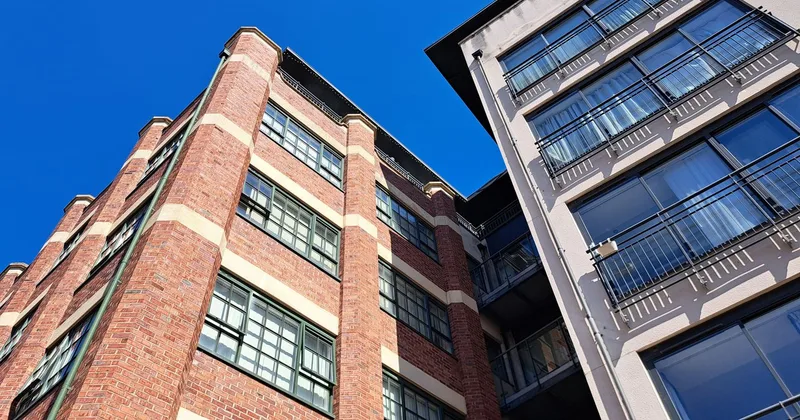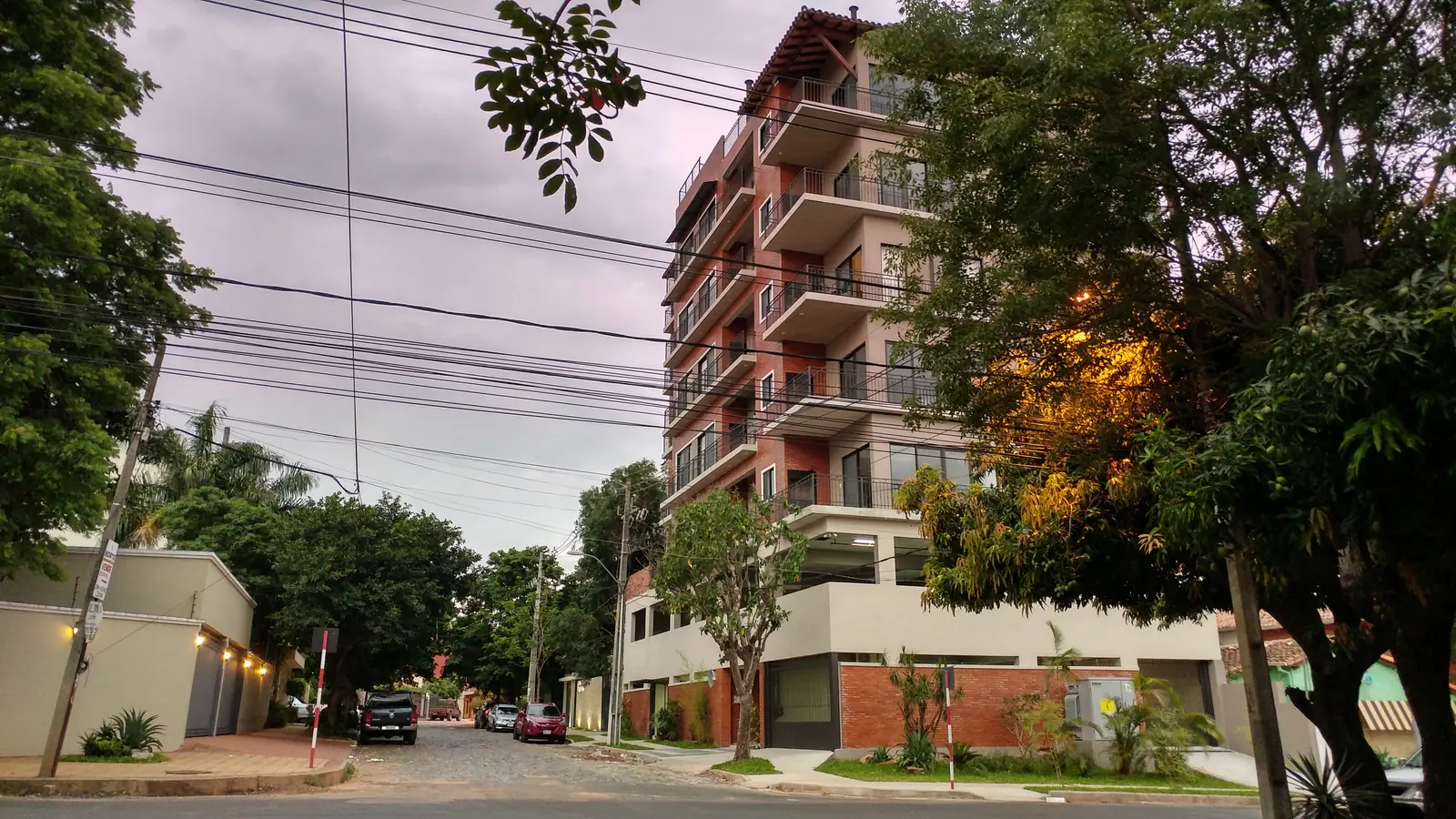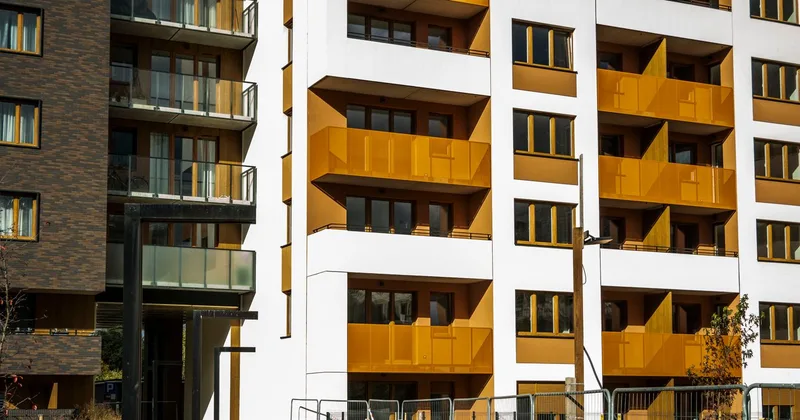
A modern apartment with a pool and a gym downstairs, a big mall close enough to walk to, and no bar crowd under your window: that combination is what draws newcomers to Manorá. Tucked against the north-eastern side of Villa Morra, this compact barrio holds Shopping del Sol, and its avenues have filled with residential towers where a pool and a gym come as standard building amenities.
This guide walks through living here as an expat: where the barrio sits, the vibe, who it suits, what you pay, and the trade-offs of a tower address beside one of the city's busiest malls.
Why Manorá Is Asunción's Modern Tower District Next to Villa Morra
Manorá is a small barrio, well under one square kilometer, wedged between Villa Morra to the south-west, Las Lomas to the north, Santo Domingo to the west and Ycuá Satí to the south-east. Avenida España, Avenida San Martín, Avenida Aviadores del Chaco and Avenida Santísimo Sacramento all run through it. It belongs to the established center-east core rather than to an outer expansion belt, and that location explains most of what follows, the rent included.
The barrio is best known for two institutions: Shopping del Sol, one of Asunción's big malls, on Avenida Aviadores del Chaco, and the Colegio Americano de Asunción school. The Venezuelan and Panamanian embassies sit here too. Approximate as of 2026, rents in the newer towers belong to the same top bracket as Villa Morra, Santa Teresa and Carmelitas, which makes Manorá an upscale address rather than a budget one.
If you are still comparing districts across the city, the wider guide to the best neighborhoods in Asunción places Manorá alongside its neighbors in the upscale core.
The Vibe of the Neighborhood: Modern, Convenient, and Practical
The barrio has two faces. Along the big avenues, and around the mall in particular, it is busy: traffic, shoppers, delivery riders, and the school run at the start and end of the day. Step a block or two off Aviadores del Chaco or España and the side streets turn residential, with towers, older houses behind walls, and far less movement. There is no bar strip or design-district scene of its own; the feel is polished and practical rather than lively.
Daily life is convenient in a way few Asunción addresses match. The mall covers a large share of everyday shopping and dining, Villa Morra's restaurants and clinics are a short ride away or, from the southern edge, a walk, and the cafés and bars of Carmelitas are close when you want an evening out. Evenings on the side streets are calm. If settling in means a modern apartment, a mall within reach and a quiet block to come home to, Manorá delivers that without pretense.
Who Manorá Suits: Convenience Seekers and First Arrivals
Manorá is at its best for a few overlapping groups. The first is the professional or couple who wants a modern tower apartment, a gym downstairs and a mall around the corner, and who accepts center-east rent for that combination. The second is the family with children at a school on this side of the city, for whom a short school run is worth more than a garden. The third is the first arrival who wants a comfortable, well-connected landing pad while learning the city.
It also suits remote workers who work from home rather than from a café, since the building amenities and the mall cover most of the day without a nightlife corridor outside. It fits anyone whose priorities run modern comfort first, convenience second and street atmosphere third, and people happy to lean on ride apps, buses, or their own car for trips beyond the barrio.
It does not suit the budget-first mover, who will find noticeably lower rents in Mburucuyá or Las Mercedes. Nor is it the pick for a nomad who wants to walk out the door into a social scene; that person belongs in Carmelitas.
Housing in the District: New-Build Apartments with Amenities
Along Manorá's avenues the housing story is dominated by apartment towers, many from Asunción's recent construction wave, with contemporary finishes, proper kitchens, and current layouts. Older houses and low-rise blocks remain on some side streets, so the stock is mixed rather than uniformly new. The typical unit an expat views here is a modern one-, two-, or three-bedroom apartment in a building with security and parking.
That newness sets the terms of the search. In older central barrios you often trade money for character and dated plumbing; in a recent Manorá tower you pay for move-in condition, air conditioning that works, and a building designed this decade. For newcomers who would rather not manage repairs in a second language, that is often the deciding point.
When you start viewing units, the mechanics of leasing as a foreigner, from deposits to guarantors, are covered in the guide to renting an apartment in Paraguay, and they apply in Manorá exactly as anywhere else in the city.
Typical Rent in Manorá: What You Actually Pay
Plan around this range. Approximate and as of 2026, an unfurnished two-bedroom apartment in a modern Manorá tower runs roughly $700 to $1,100 a month. The lower end buys a solid unit in an older or plainer building; the newest towers near Shopping del Sol, with the full amenity package, land at the top of that band or above it. Expect to pay extra for a furnished or short-term unit, while a one-bedroom comes in below.
That places the barrio in the same bracket as its neighbors in the upscale core, a shade under Villa Morra, not in a budget tier. Treat every figure as a starting point rather than a firm quote. Rents move with the building, the season, and the dollar-to-guaraní exchange rate. Tower units are often quoted in US dollars, while a guaraní-priced lease shifts in dollar terms whenever the currency moves.
Rent is only one line in the budget, though, so weigh it against the full picture in the cost of living in Paraguay for 2026 before you decide what you can comfortably spend.
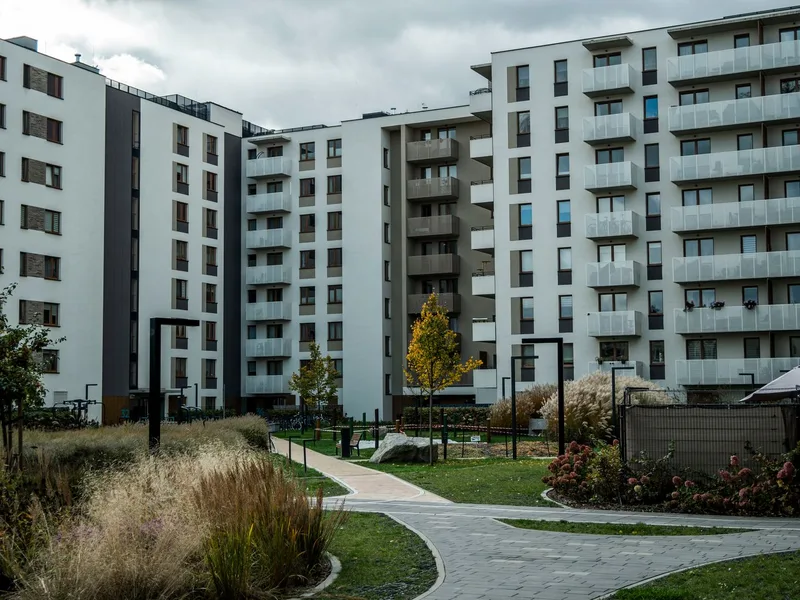
Building Amenities in the District: Pool and Gym as Standard
One of the barrio's quiet advantages is what comes bundled with the building. In the newer towers a pool and a gym are common building amenities rather than luxury extras, along with 24-hour security, covered parking, and sometimes a rooftop terrace or a shared social room. Approximate as of 2026, expect that set in most recent buildings here. It is part of why those buildings sit at the upper end of the rent band, and its upkeep appears in the building expensas, the monthly common-area fee.
The practical value is real. A building gym means you do not pay for a separate membership or commute to one. A pool matters through Asunción's long, hot summers. Round-the-clock security and covered parking add convenience and peace of mind, which count for more in a barrio with a busy mall and heavy traffic on its avenues.
When you compare a Manorá tower against an older building elsewhere, ask for the expensas figure alongside the rent; the two together are the number worth comparing.
Torn between Manorá and another address in the center-east? A short intro call explains the residency steps that run alongside your housing search. Get in touch.
Getting Around the District: Transport and Daily Errands
Manorá is more walkable than its tower skyline suggests. From most of the barrio the mall is a walk, and the southern edge sits close to Villa Morra's shops and restaurants. The limits are the avenues themselves: Aviadores del Chaco, España and San Martín carry heavy traffic, crossings take patience, and the midday heat makes longer walks unpleasant for much of the year.
For anything beyond the immediate area, ride-hailing apps work well and cheaply across Asunción, and the city's buses serve the area. Many newcomers run their first months without a car and decide later, once they know their routine. Families with a school run or regular trips out of the city usually end up buying one, and the avenues put the rest of Asunción within a short drive, rush hour aside.
Budget for transport as a modest line rather than a major one here; the location does much of the work.
Safety in the District: What to Expect Day to Day
Manorá is an established, upscale part of the center-east, and day to day it feels settled. Towers with 24-hour security and controlled access, security staff at the mall, and guarded embassies all add visible watchfulness. Around the mall and on the main avenues there is the ordinary bustle of a busy commercial zone, while the side streets are quieter. Everyday big-city caution is the operative standard.
Apply the same common sense you would anywhere in Asunción. Watch your phone and bags in the busy spots around the mall, use ride apps late at night rather than walking long stretches, and lean on your building's security. Approximate as of 2026, residents regard the barrio as a comfortable place to settle, much like its neighbors in the upscale core.
Honest Trade-offs of This Part of Asunción
Manorá's convenience comes with trade-offs worth naming. The first is price: rents sit in the city's top bracket, so value-first movers get more space for their money elsewhere. The second is traffic. A major mall and a school draw cars, and the avenues through the barrio clog at rush hour and on weekends. The third is atmosphere: there is no café strip or nightlife corridor of its own, so evenings out mean a short ride to Carmelitas or Villa Morra.
Whether those are dealbreakers depends on how you live. A professional or a family that values a modern tower, a short school run and a mall within walking distance will barely notice the downsides. A budget-focused arrival, or a social nomad who wants to walk home from a bar, will feel them quickly and should look elsewhere. The deal in Manorá is simple: you pay center-east rent and get a modern apartment with amenities in one of the most convenient pockets of the city.
It also works as a first base while you find your feet, which pairs naturally with the first 30 days in Paraguay checklist.
Is Manorá the Right First Base in Asunción for You?
Deciding on Manorá comes down to a few questions. Do you want a modern tower apartment specifically, and is a mall within walking distance worth top-bracket rent? Can you live with busy avenues a block away in exchange for a calm side street and a gym downstairs? If both answers are yes, Manorá lines up with what you want, and few barrios pack new-build comfort and central convenience this tightly.
If a lower rent is your first priority, look at Mburucuyá, Las Mercedes or Santísima Trinidad instead; if you crave a walkable social scene, Carmelitas is the answer. Many newcomers take a furnished short-term rental here or nearby for the first months while they learn the city and the residency paperwork moves along, then decide whether to stay or move. Where you land first is rarely where you end up, and that is perfectly normal.
Looking at the residency side next? The packages list what each tier covers and what it costs. See pricing.
Frequently Asked Questions About the Neighborhood
How much is rent in Manorá, Asunción?
Approximate and as of 2026, an unfurnished two-bedroom apartment in a modern Manorá tower runs roughly $700 to $1,100 a month, with the newest buildings near Shopping del Sol at the top of that band and furnished or short-term units above it. Figures move with the building, the season, and the exchange rate, so treat any quote as a starting point.
Is Manorá a good area for expats in Asunción?
Manorá suits expats who want a modern tower apartment in the center-east, with Shopping del Sol on the doorstep and Villa Morra next door. It is convenient and polished rather than lively. Budget-first movers will find lower rents in other districts, and expats who need walkable nightlife will prefer Carmelitas.
Does Manorá have modern apartments with a pool and gym?
Yes. Many of Manorá's newer towers include a pool and gym as building amenities, alongside 24-hour security and covered parking. Approximate as of 2026, that amenity set is common in recent buildings, and you pay for it through their place at the upper end of the rent band and through the monthly expensas.
Is Manorá safe to live in?
Manorá is an established, upscale barrio, and its towers with 24-hour security add a controlled feel. The mall and the main avenues are busy, the side streets calmer. Apply ordinary big-city caution, use ride apps late at night, and lean on your building's security. Approximate as of 2026, it is regarded as a comfortable area to settle in.
Do you need a car to live in Manorá?
Not at first. Shopping del Sol and much of Villa Morra are within walking distance or a short, cheap ride, and ride-hailing apps cover the rest of the city. A car becomes useful for school runs and trips out of town, so many newcomers start without one and decide later.
Who is Manorá best suited for?
Manorá best suits professionals and couples who want a modern tower near a mall, families who value a short run to a school on this side of the city, and first arrivals wanting a polished, well-connected base. It fits people who rank modern comfort and convenience ahead of low rent or nightlife.
Disclaimer: Background information only. Rents and the local mix in Manorá evolve, so confirm today's figures with a local contact before you rent.

About the author
Yannick Schroth
Founder · Paraguay relocation support
Spends regular time in Paraguay and, with his team on the ground in Asunción, guides international nomads, entrepreneurs and investors through residency, the cédula and the RUC paperwork.
Note: this article reflects the position at the time of publication. Laws, prices and deadlines can change, so individual details may since be out of date. Check the current rules before you act on them: we answer questions about residency and our services, while the tax treatment of your own case belongs with a qualified tax adviser.