You keep hearing that Paraguay is flat, hot, and functional, and then you spend an afternoon in Areguá and quietly revise the whole impression. Cobblestone streets climb toward a hilltop church, ceramic pots spill out of every other doorway, and Lake Ypacaraí sits at the bottom of the slope like a reason to stay. Less than an hour's drive from Asunción, this small artisan town has become the answer for people who want beauty and quiet without cutting themselves off from the capital.
This guide covers what the town actually is, who it suits, roughly what housing costs in US dollars, the commute, and the honest trade-offs nobody mentions on the postcard.
Why Areguá Is Paraguay's Charming Lakeside Artisan Town
Areguá is a historic artisan town on the shore of Lake Ypacaraí, less than an hour east of Asunción by car, and its reputation rests on three things: ceramics, strawberries, and atmosphere. It is the capital of the Central department and one of the oldest settlements in the region, which shows in the colonial architecture and the stone-paved streets that most Paraguayan towns simply do not have. All of this is approximate and as of 2026, since a town this small changes character with the season and the weekend crowds.
What makes the town distinct is that it feels curated without feeling fake. The handicraft tradition is genuinely old, the strawberry harvest is a real local industry, and the arts scene grew organically as painters, ceramicists, and small-museum founders settled in. For a newcomer, that means a town with a clear identity, which is rarer in Paraguay than you might expect. If you have only seen Asunción, spending time here reshapes your sense of what living in Paraguay can look like.
Our overview of things to do across Paraguay puts the town in the wider context of day trips and weekend escapes.
Cobblestone Streets and Colonial Houses of the Lakeside Town
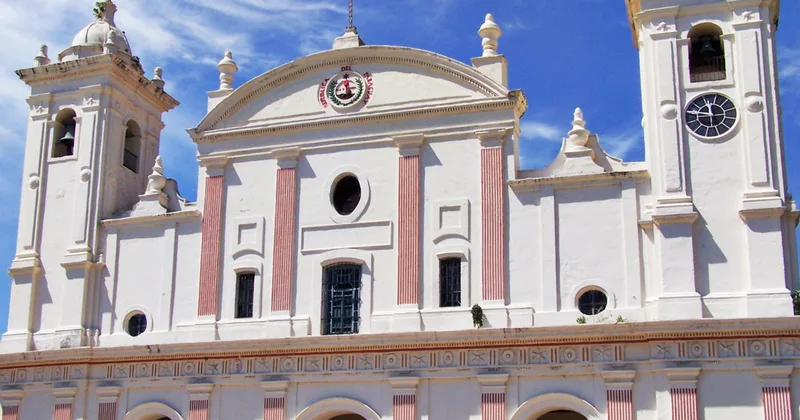
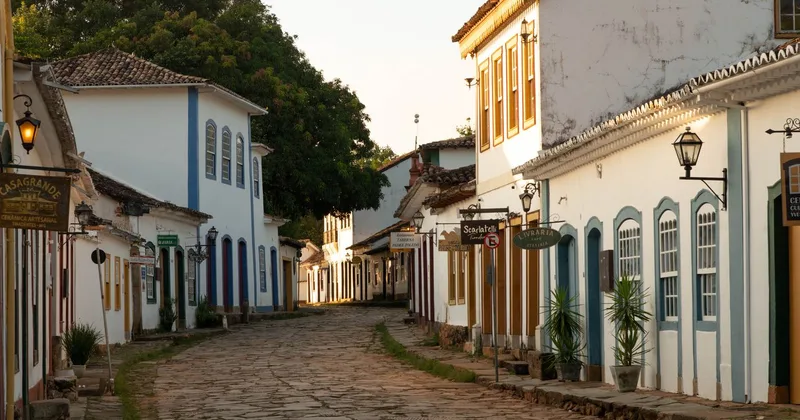
The physical charm of Areguá is immediate. The old center is a grid of cobblestone streets lined with low colonial houses, many painted in faded pastels, with a monumental staircase and the Nuestra Señora de la Candelaria church anchoring the top of the hill. Walk down toward the lake and the town opens into gardens, mango-shaded lanes, and the occasional grand old summer residence built when the town was the retreat of choice for wealthy Asunción families escaping the heat.
That heritage still shapes the place. Because the historic core is protected and compact, it has resisted the concrete-box sprawl that swallowed parts of greater Asunción. You get texture: uneven stone underfoot, hand-painted signs, ceramic workshops in century-old buildings. The flip side is practical. Cobblestones are hard on car suspensions, and some of the beautiful old houses come with beautiful old plumbing. It is a town best appreciated on foot, slowly, which is precisely the point for the people who choose it.
Ceramics and Handicraft Markets That Define the Town
Nothing signals Areguá faster than its ceramics. The town is Paraguay's informal capital of pottery and handicrafts, and along the main approach roads you pass an almost unbroken line of open-air stalls selling terracotta pots, planters, figurines, tableware, and garden ornaments. Much of it is made locally, and prices are low by any international standard, which is why weekenders from the capital load their trunks here rather than buy the same pieces marked up in Asunción shops.
The handicraft scene goes beyond clay. You will find woven goods, wood pieces, and the seasonal strawberry stands that give the town its other nickname, tied to the harvest that peaks in the cooler months. For a resident, the markets are more than scenery. They are a low-cost way to furnish a home with character, a steady source of gifts, and a genuine local economy you can plug into if you make or sell anything yourself. It rewards people who like handmade things and the slower commerce that surrounds them.
If you value authentic local culture over polished retail, this is one of the most distinctive corners of the country, and it fits neatly with the traditions covered in our guide to Paraguayan culture and customs.
Lake Ypacaraí and the Setting Around the Town
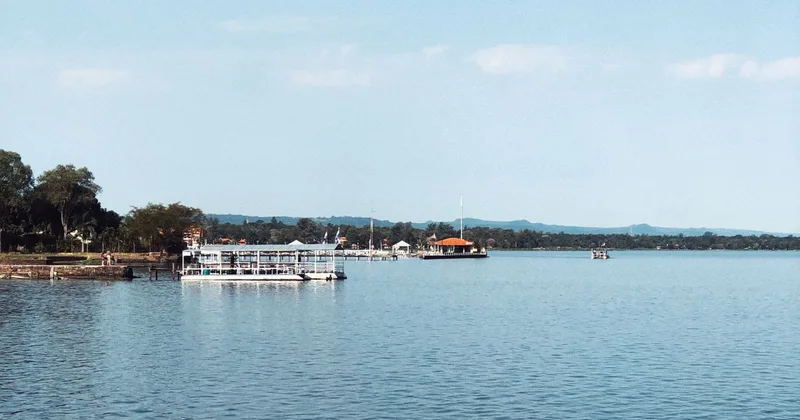
Areguá sits on the western shore of Lake Ypacaraí, and the water is central to the town's identity even when it is not central to daily swimming. The lake has been immortalized in a famous Guaraní song, and the waterfront, with its costanera promenade, boat access, and open views toward San Bernardino on the far shore, is where the town exhales. On a clear evening the light over the water is genuinely lovely, and the lakeside is the natural gathering point for a weekend crowd.
Here the honesty has to come in. Lake Ypacaraí has a long history of water-quality problems, including recurring algae blooms fed by upstream pollution, and there have been periods when swimming was discouraged or banned outright. Cleanup efforts have run for years with mixed and fluctuating results, so the water's state varies by season and by year. Treat the lake as a beautiful setting and an occasional recreation area rather than a guaranteed swimming spot, and check current local advisories before you plan your life around it.
As a backdrop it is superb; as a beach it is inconsistent, and pretending otherwise would not help anyone deciding whether to move here.
The Arts, Culture and Weekend Vibe of the Town
Areguá punches far above its size culturally. The town hosts several small museums and galleries, including collections of contemporary art and quirky private museums, and it has drawn a steady community of artists, ceramicists, and writers who give the place a bohemian undertone you feel more than you can quantify. Weekends bring cultural events, open studios, small festivals tied to the strawberry and ceramics seasons, and a flow of day-trippers who come to browse, eat, and wander.
That weekend rhythm defines the social calendar. Saturdays and Sundays are alive with visitors and stalls; weekdays are sleepy and residential. What you will not find is nightlife in any city sense. The evening entertainment is a good meal, a lakeside walk, a gallery opening, or a conversation on a porch. It attracts people who consider that a feature rather than a shortcoming.
Who Areguá Suits: Creatives, Retirees and Weekenders
The town is not for everyone, and the people who thrive here tend to fall into a few clear groups. Creatives come first: painters, ceramicists, writers, and makers who want an affordable, atmospheric base surrounded by a like-minded community and cheap raw materials. Retirees are the second natural fit, drawn by the calm, the mild pace, the walkability of the old center, and the lower cost of living compared with the capital. Both groups value quiet over convenience, and Areguá delivers exactly that trade.
The third group is weekenders and part-timers. Plenty of people keep their main base in Asunción and treat the town as a weekend escape, a second home under an hour away where the air is cooler and the pace drops. That works well precisely because the town is close enough to reach for a Saturday and remote enough to feel like a real change.
If you are a remote worker who wants a small-town base but still needs the capital's services within reach, Areguá can suit you too, provided you are honest about needing a car and tolerating limited local infrastructure. Families can make it work, though many with school-age children weigh the schooling options carefully before committing.
Weighing Areguá against the capital or San Bernardino across the lake? A short intro call explains how the residency and cédula steps work, wherever in Paraguay you choose to settle. Get in touch.
Housing and Rough Rent in Areguá in USD
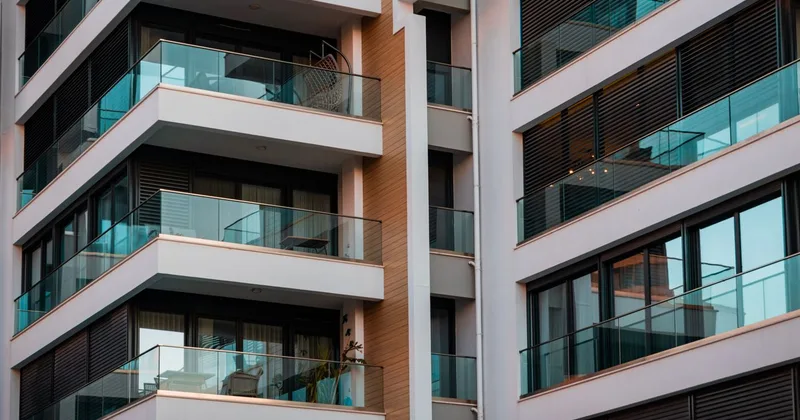
Housing in Areguá spans a wide range, from simple local homes to restored colonial houses and newer builds on the town's edges. As a rough guide and approximate as of 2026, a modest local house or small apartment rents in the region of $300 to $500 a month, while a larger or nicely renovated home with a garden or lake proximity can run roughly $600 to $1,000 or more.
These are hedged ranges, not quotes: rents here are thin-market and negotiable, and a single well-located property can sit well outside them in either direction.
Buying is where Areguá gets interesting for many arrivals. Land and older houses have historically been cheaper than in the Asunción core, though restoration costs are the variable that catches people out, since a picturesque old house can need real money to modernize. For a broader sense of what a month costs across the country, our Paraguay cost of living guide for 2026 sets local rents against groceries, utilities, and transport so you can build a realistic budget.
The Commute to Asunción
The commute is the hinge on which any Areguá decision turns. The town sits roughly 30 kilometers east of Asunción, and the drive takes about 40 to 45 minutes in normal conditions, longer when traffic on the approach to the capital thickens during weekday rush hours. There is public bus service linking the town to Asunción, which is cheap and functional but slower and less predictable than driving, so most residents who commute regularly end up with a car.
Be realistic about what that drive means. As an occasional trip, into the city for appointments, shopping, or a night out, it is entirely manageable, and it is a large part of why the town works as a quiet base near the capital. As a daily two-way commute for a fixed office job, it is a real cost in time and fuel. It suits remote workers, the semi-retired, and part-timers far better than anyone tied to a daily downtown schedule.
If your work lets you go into Asunción twice a week rather than five times, the town starts to make a lot of sense.
Amenities and Everyday Services in a Small Paraguayan Town
On amenities, set your expectations to small-town. Areguá has the everyday basics: local shops, small supermarkets, pharmacies, bakeries, a handful of restaurants and cafés that swell on weekends, banks or ATMs, and basic health and municipal services. For daily life, groceries, a coffee, a simple meal, a prescription, the town covers you without a trip to the city.
For anything beyond the basics, you will lean on Asunción. Specialist medical care, large hospitals, big retail, international schools, and the widest choice of restaurants and services all sit in the capital, under an hour's drive away. That is the defining pattern of life here: charming and sufficient for the ordinary, dependent on the city for the exceptional. Weekday dining is limited, since many spots are geared to the weekend trade, so residents cook more and plan around the rhythm.
None of this is a dealbreaker for the people the town suits, but going in expecting Asunción-level convenience is the fastest way to be disappointed. The best neighborhoods in Asunción guide is worth reading alongside this one if you are still deciding between town calm and city access.
The Honest Trade-offs of Relocating to a Lakeside Town
Every quiet town extracts a price for the quiet, and Areguá is no exception. The services are small-town, so you accept a degree of dependence on Asunción for anything specialized. The lake, beautiful as it is, carries that history of water-quality issues, so it is a setting to enjoy with eyes open rather than a clean swimming amenity you can count on. The cobblestone charm comes bundled with old infrastructure and the maintenance that implies.
And the weekend crowds that make the town lively can also make it busy and parked-in on exactly the days you might want it calm.
Against all that sits a genuine quality of life: cooler air, real beauty, a creative community, low costs, and the capital within reach. For creatives, retirees, and weekenders who want a peaceful, atmospheric base near Asunción, the trade is usually worth it. For anyone who needs city-grade services on their doorstep, it usually is not. Spend a few weekends here across different seasons before you commit, and let the real Areguá, not the postcard, make the case.
Settled on a town and curious about the residency side? Our packages show exactly what a supported move includes and what it costs. View the packages.
Frequently Asked Questions About Life on Lake Ypacaraí
Where is Areguá in Paraguay and how far is it from Asunción?
Areguá is a historic artisan town in the Central department of Paraguay, sitting on the western shore of Lake Ypacaraí. It lies roughly 30 kilometers east of Asunción, about 40 to 45 minutes by car in normal traffic. Public buses also connect the two, though most regular commuters prefer to drive.
What is Areguá on Lake Ypacaraí known for?
Areguá is best known for its ceramics and handicraft markets, its strawberry harvest, and its cobblestone streets and colonial architecture. It also has a lively arts and culture scene with small museums and galleries. Together these give the town a distinct, curated identity that is unusual among Paraguayan towns.
Is Areguá a good place to live or just to visit?
Both, depending on who you are. It suits creatives, retirees, and weekenders wanting a quiet, atmospheric base within reach of Asunción. As a daily commuter town for a downtown office job it is less practical. Many people keep a capital base and use Areguá as a weekend escape, which works well.
How much does it cost to rent in Areguá?
Rents here are approximate and as of 2026. A modest local house or small apartment runs roughly $300 to $500 a month, while a larger or nicely renovated home can reach $600 to $1,000 or more. The market is thin and negotiable, so treat these as starting ranges, not fixed quotes.
Can you swim in Lake Ypacaraí at Areguá?
Cautiously. Lake Ypacaraí by Areguá is a beautiful setting, but it has a long history of water-quality problems, including algae blooms, and swimming has been discouraged or banned at times. Conditions vary by season and year, so check current local advisories and treat the lake as scenery first, recreation second.
What day-to-day amenities does Areguá offer?
The town has small-town basics: local shops, small supermarkets, pharmacies, bakeries, cafés, some restaurants, and ATMs and basic health services. For specialist medical care, big retail, international schools, and wider dining you rely on Asunción, less than an hour's drive away. Weekday dining is limited since many venues cater to the weekend crowd.
Who does Areguá suit best?
Areguá suits creatives who want an affordable, atmospheric base, retirees drawn to its calm and walkability, and weekenders wanting a quiet escape near the capital. Remote workers who go into Asunción only occasionally also fit well. Anyone needing city-grade services on their doorstep is usually better based in Asunción itself.
Disclaimer: This article is general information. Costs and amenities in Areguá change over time. Confirm current details before you relocate.

About the author
Yannick Schroth
Founder · Paraguay relocation support
Spends regular time in Paraguay and, with his team on the ground in Asunción, guides international nomads, entrepreneurs and investors through residency, the cédula and the RUC paperwork.
Note: this article reflects the position at the time of publication. Laws, prices and deadlines can change, so individual details may since be out of date. Check the current rules before you act on them: we answer questions about residency and our services, while the tax treatment of your own case belongs with a qualified tax adviser.