Asunción gets the attention, and plenty of arrivals never look further south. Some 370 kilometers southeast of the capital by road, on the Paraná River, sits Encarnación, a clean, orderly city with sandy river beaches, a long waterfront promenade, and a pace of life that the capital lost years ago. Locals call it "the Pearl of the South," and after spending time there, I understand why newcomers who want something smaller, calmer, and cheaper keep choosing it. This is the expat guide to living in Encarnación.
Why Encarnación Is Called the Pearl of the South
Encarnación is the capital of the Itapúa department and the main city of southern Paraguay, though by census count several municipalities of greater Asunción have more residents. It sits on the north bank of the Paraná River, directly across from Posadas in Argentina, and a bridge links the two. What sets it apart from the rest of Paraguay is how deliberately it has been rebuilt. When the Yacyretá dam raised the river level, the old low-lying downtown was relocated, and the city gained a modern waterfront in the process.
The 2022 census counted 106,842 residents in the municipality, eleventh in the country. How Encarnación compares with eleven other options, from the airport city of Luque to the Mennonite towns of the Chaco, is set out in our overview of cities in Paraguay.
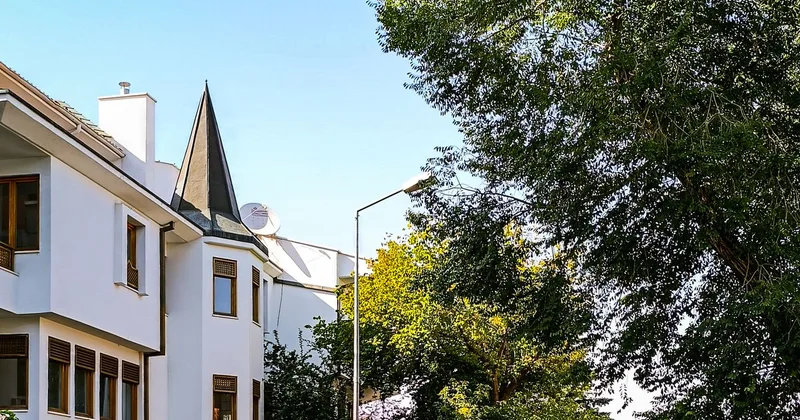
The result is unusually tidy by regional standards: wide avenues, a landscaped riverfront, and a reputation for being one of the more organized cities in the country. It is not a major international hub, and it does not pretend to be. What it offers instead is a genuine small-city rhythm with real amenities, which is exactly the appeal for a certain kind of newcomer.
The Riverside Beaches and Costanera That Define the City
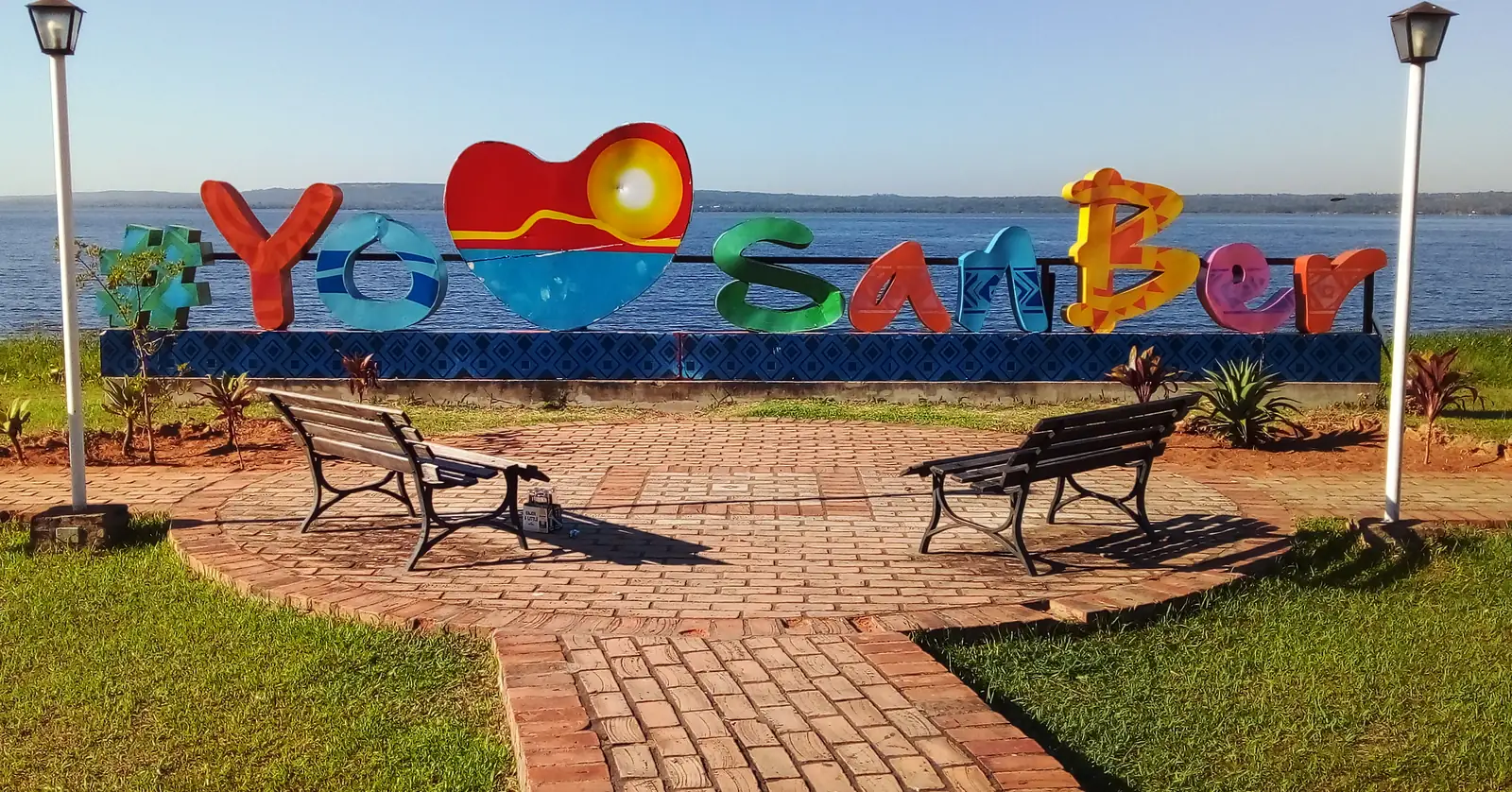
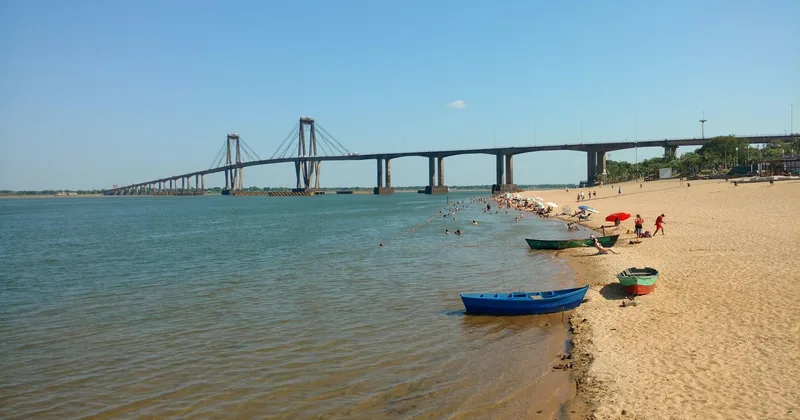
The single feature that defines the city is its waterfront. The costanera, a long landscaped promenade along the Paraná, runs for kilometers past sandy urban beaches, or playas, that would look at home on a coast rather than a river. San José beach is the best known, with imported sand, calm shallow water, and a strip of bars and food stands behind it. In summer the beaches fill with families, and the city feels more like a resort town than an inland capital of a landlocked country.
This is not a minor detail. The costanera is where residents walk in the evening, exercise in the morning, and gather on weekends. It gives the city an outdoor, social, water-facing life that Asunción, set on a muddier stretch of the Paraguay River, simply does not have. For anyone who values living near nature and open water without paying coastal prices, the playas are the reason to look here first.
A Clean, Orderly, and Safe City: Everyday Life on the Paraná
Day-to-day life here is defined by its calm. The city is widely regarded as clean, orderly, and safe, with a relaxed atmosphere that stands in clear contrast to the noise and traffic of the capital (approximate, as of 2026). Petty theft and normal urban precautions apply as they would anywhere, but violent crime is low, and many residents describe a level of everyday ease that lets them walk the costanera after dark without much thought.
For the broader national picture, the guide on whether Paraguay is safe sets reasonable expectations.
The scale of the place matters. You can cross most of the central city in a short drive, errands do not eat your day, and the same faces recur at the market and the café. That familiarity is either charming or claustrophobic depending on your temperament. People who thrive here tend to want community and quiet over anonymity and options. Those who need a dense, cosmopolitan scene find it thin.
The Cost of Living Here Versus Asunción
Encarnación is cheaper than Asunción across most categories, which is a large part of its draw. Rent, dining, and services all tend to run below capital prices, and the gap is most visible in housing. A comfortable single person can live well here on noticeably less than the equivalent life in Villa Morra or Carmelitas. Groceries, local produce, and Paraguay's famously affordable beef cost much the same nationwide, but the fixed costs that dominate a budget sit lower in a smaller city.
Treat the savings as real but modest rather than dramatic. It is a functioning regional capital, not a rural backwater, so imported goods, electronics, and international brands carry the same premium they do everywhere in Paraguay. For a full national breakdown of what a month actually costs, the cost of living in Paraguay for 2026 lays out honest monthly figures in US dollars that you can adjust downward for Encarnación.
Housing and Rent in Encarnación in US Dollars
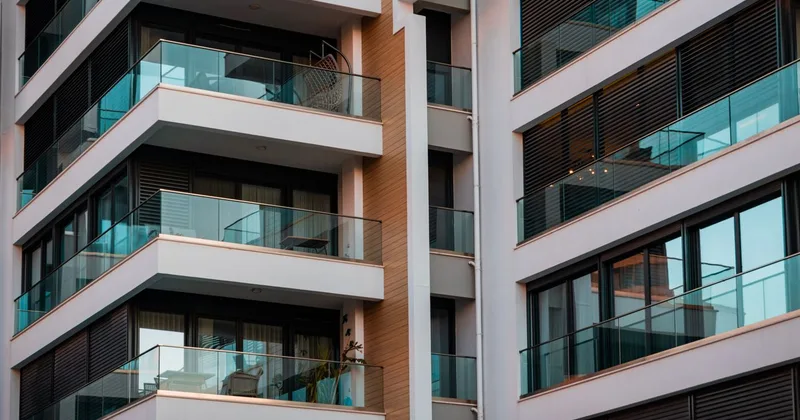
Housing is where the city rewards you most. A modern furnished one-bedroom apartment, several of them in newer buildings near the costanera, runs roughly $350 to $600 a month (approximate, as of 2026), below the equivalent in the capital's expat neighborhoods. Older or less central units drop further, and a two-bedroom or a small house with outdoor space is realistic in the $500 to $800 range depending on location and finish. Riverfront and new-build apartments sit at the top of these bands.
As elsewhere in Paraguay, higher-end units are sometimes quoted in US dollars while local apartments are priced in guaraníes, so the exchange rate moves your real cost. Landlords typically ask for a deposit plus a guarantor, or several months upfront if you cannot provide one, which is common for foreigners without a local credit history.
A cautious approach works well here: rent a furnished short-term place for a month or two, walk the neighborhoods at different hours, and confirm the water pressure and air conditioning before signing anything longer.
Weighing Encarnación against Asunción for your own move? A short intro call explains the residency steps and our packages, whichever city you settle in. Get in touch.
Crossing the Border to Posadas, Argentina
One of the city's practical advantages is its border position. The San Roque González de Santa Cruz bridge connects it directly to Posadas, Argentina, a larger city of several hundred thousand people just across the Paraná. Locals cross in both directions for shopping, services, and day trips, and the relative strength of each currency regularly shifts which side is cheaper for groceries, fuel, or a night out. For a resident, that means two urban centers within easy reach rather than one.
The crossing is a routine international border with immigration formalities on both sides, so keep your passport and residency documents in order and expect queues at peak times. Bus and taxi services run between the two cities regularly. Posadas also expands your options for flights and specialized services that a smaller city like this does not host, which is a genuine quality-of-life factor for anyone based here long term.
The Jesuit Ruins Nearby: Trinidad and Jesús
Encarnación is the natural base for one of Paraguay's cultural highlights. The UNESCO World Heritage Jesuit ruins of La Santísima Trinidad de Paraná and Jesús de Tavarangue sit a short drive north of the city, roughly 30 to 40 minutes toward the town of Trinidad (approximate, as of 2026). These are the best-preserved remains of the 18th-century Jesuit missions that once organized much of this region, and Trinidad in particular is an extensive, atmospheric site with carved stonework, a grand plaza, and the shell of a great church.
Living near a UNESCO site is not just a novelty; it draws a steady trickle of visitors and gives the area a cultural anchor beyond the beaches. Many residents take guests there more than once, and the sound-and-light evenings at Trinidad are worth timing a visit around. If you are mapping out what the region offers beyond daily life, the roundup of things to do in Paraguay puts these ruins in context with the country's other highlights.
Carnaval and the Social Calendar in Encarnación
Encarnación holds the title of Paraguay's Carnaval capital, and it earns it. Each summer, across several weekends usually in January and February, the city stages the country's most famous Carnaval, with a purpose-built sambódromo, costumed troupes, music, and parades that draw crowds from across Paraguay and neighboring Argentina and Brazil (approximate, as of 2026). It is the one time of year the calm city turns loud and full, and hotel prices reflect the demand.
Even outside Carnaval season, the costanera anchors a steady rhythm of markets, riverside events, and summer beach life that keeps the social calendar busier than the city's size suggests. This matters for newcomers, because a smaller city can feel isolating without public life to plug into, and the city has more of it than most places its size. The trade-off is seasonality: summer is vivid and social, while the cooler months are genuinely quiet.
Healthcare and Amenities in the Pearl of the South
Encarnación covers the essentials well and the specialties less so. As a departmental capital it has private clinics, pharmacies, supermarkets, banks, and a regional hospital, enough for routine medical care, everyday shopping, and normal life without constant trips elsewhere. Private care remains affordable by international standards, as it is throughout Paraguay, and the smaller scale often means shorter waits for a general appointment.
The honest limit is depth. For complex procedures, specialist care, or the widest choice of hospitals and clinics, residents travel to Asunción, and some cross to Posadas for particular services. International schooling, large shopping malls, and a broad restaurant scene are thinner here than in the capital. None of this is a dealbreaker for a healthy single person or couple, but a family with specific medical or education needs should map those out before committing to a smaller city like this one.
Who This Southern City Suits, and the Honest Trade-Offs vs Asunción
Encarnación suits a specific person: someone who wants a smaller, calmer, cheaper base with nature at the doorstep, and who is happy to trade options for peace. Retirees, remote workers who do not need a big scene, couples, and anyone drawn to the river and the beaches tend to love it. The lower cost of living stretches a pension or a remote income comfortably, and the safe, orderly feel of the city is a real daily benefit.
The trade-offs against Asunción are straightforward and worth stating plainly. The expat community is smaller and less organized, international services and English-speaking professionals are fewer, the airport and flight connections are in the capital, and the depth of healthcare, schooling, dining, and shopping is shallower. Many newcomers reasonably use Asunción as a first landing point while they sort out residency, then consider it once they know the country. If you are still planning the logistics of the move itself, the step-by-step guide to moving to Paraguay walks through the sequence.
On the financial side, Paraguay's territorial tax system leaves genuinely foreign income outside local income tax, while work you carry out in Paraguay is taxed locally; US citizens and green-card holders remain taxed on worldwide income regardless of where they live.
Ready to build a move to Encarnación or Asunción around real numbers? From the Migraciones filing to the cédula, each package bundles the steps at a set price. See the options.
Frequently Asked Questions About Living in Southern Paraguay
Is Encarnación a good place for expats to live?
Encarnación suits expats who want a smaller, calmer, cheaper base than Asunción, with river beaches and an easy pace. It is clean, orderly, and safe, though the expat scene and international services are thinner. It fits retirees, couples, and remote workers who value quiet over options.
How much does it cost to live in Encarnación, Paraguay?
Encarnación is cheaper than Asunción, mainly on housing. A furnished one-bedroom runs roughly $350 to $600 a month (approximate, as of 2026), and a comfortable single life costs less than the capital equivalent. Local food and beef are affordable, while imported goods carry the usual Paraguayan premium.
Is Encarnación safe compared to Asunción?
The city is widely regarded as clean, orderly, and safe, with low violent crime and a relaxed atmosphere (approximate, as of 2026). Normal urban precautions against petty theft still apply. Many residents walk the costanera after dark comfortably, and the smaller scale contributes to the settled, low-key feel that draws people here.
What are the beaches in Encarnación like?
Encarnación's beaches are sandy urban playas along the Paraná River, backed by a long landscaped costanera. San José is the best known, with imported sand, calm shallow water, and food stands nearby. In summer they fill with families and give the city an outdoor, resort-like life unusual for landlocked Paraguay.
Can you cross from Encarnación to Argentina easily?
Yes. The city connects to Posadas, Argentina, by the San Roque González bridge, with routine immigration formalities on both sides. Residents cross regularly for shopping, services, and day trips, and currency shifts change which side is cheaper. Keep your passport and residency papers in order and expect queues at peak times.
What is there to do near Encarnación?
Near Encarnación you can visit the UNESCO Jesuit ruins of Trinidad and Jesús, a short drive north, plus the city's river beaches and costanera. It is also Paraguay's Carnaval capital, staging the country's most famous Carnaval each summer with parades at a dedicated sambódromo.
Does Encarnación have good healthcare and amenities?
The city has private clinics, pharmacies, banks, supermarkets, and a regional hospital, enough for routine care and daily life. Private healthcare is affordable, as across Paraguay. For complex specialist care, wider schooling, and larger shopping, residents travel to Asunción, so the depth of amenities is shallower here than in the capital.
Disclaimer: This article is general information. Costs and amenities in Encarnación change over time. Confirm current details before you relocate.

About the author
Yannick Schroth
Founder · Paraguay relocation support
Spends regular time in Paraguay and, with his team on the ground in Asunción, guides international nomads, entrepreneurs and investors through residency, the cédula and the RUC paperwork.
Note: this article reflects the position at the time of publication. Laws, prices and deadlines can change, so individual details may since be out of date. Check the current rules before you act on them: we answer questions about residency and our services, while the tax treatment of your own case belongs with a qualified tax adviser.