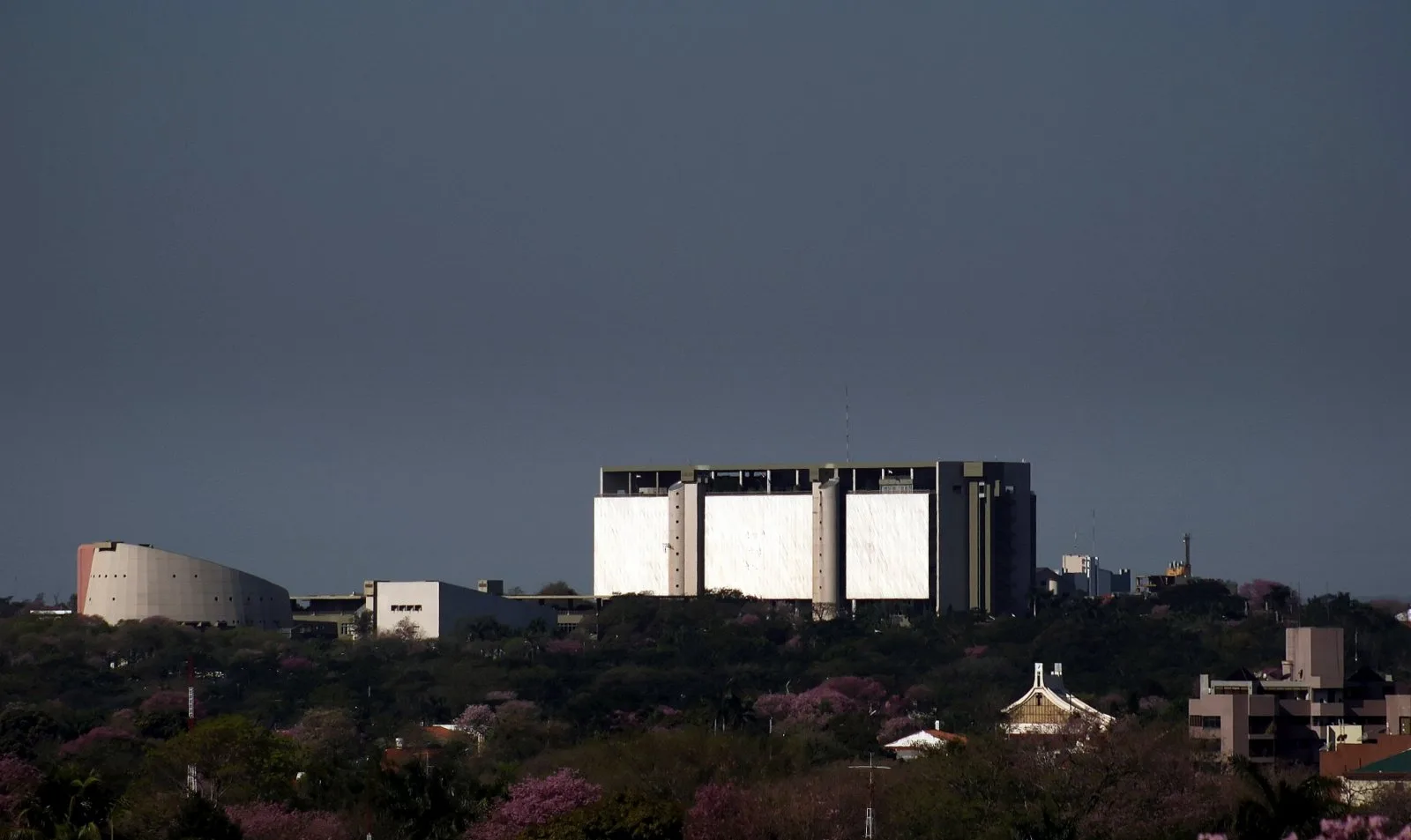
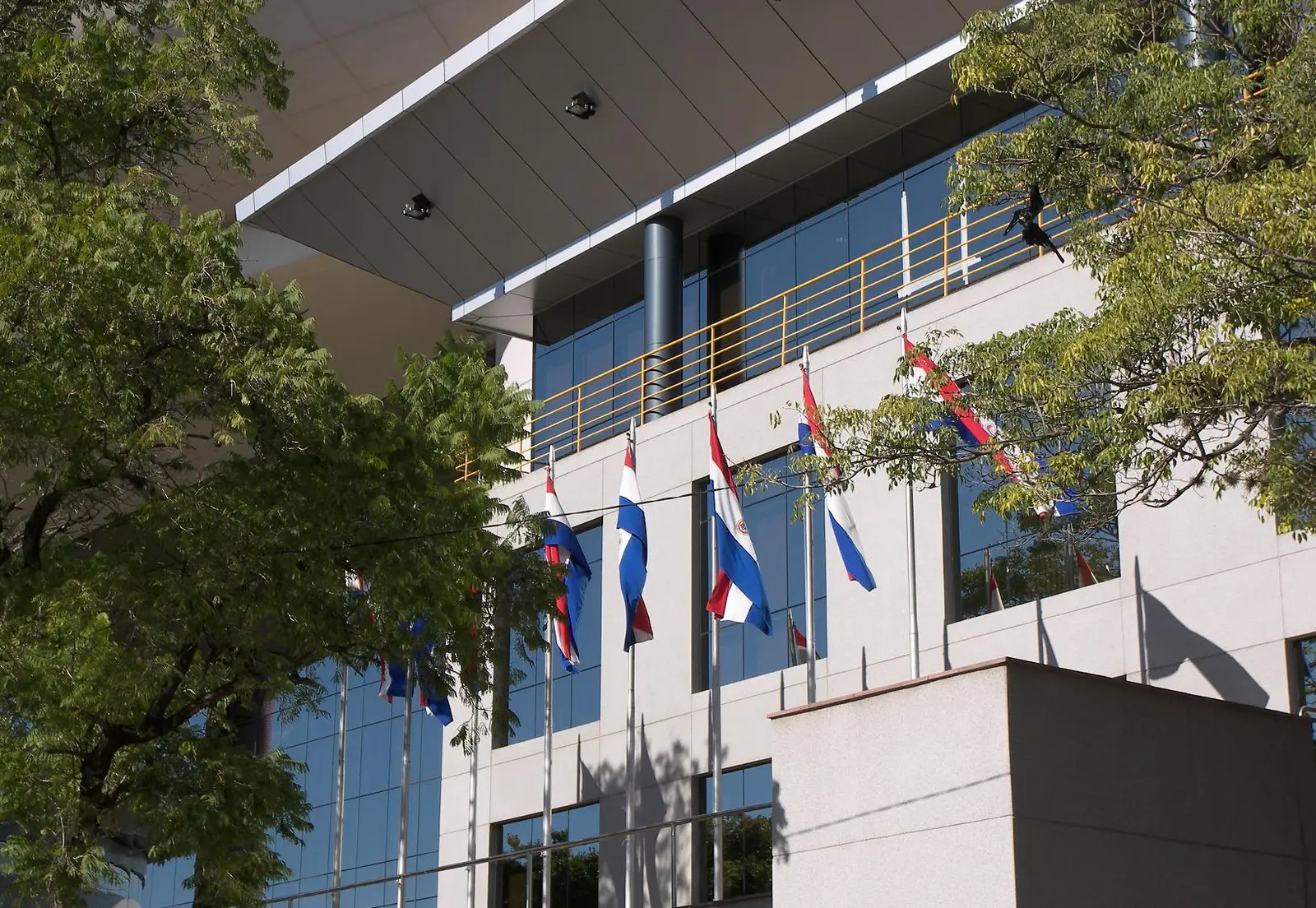
Asunción is hosting the Fintech Iberoamérica Summit today, 6 August 2026, at the Paseo La Galería convention center in Ycuá Satí, at Avenida Santa Teresa and Aviadores del Chaco. The organizers, the Alianza Fintech Iberoamérica together with the Cámara Paraguaya de Fintech, expect more than 500 executives and over 15 national fintech chambers representing upwards of 20 countries.
The Chamber of Deputies declared the summit of national interest on a proposal from deputy Germán Solinger. It anchors Paraguay Tech Week, which runs from 3 to 7 August and is the country's most visible attempt so far to present itself as a regional technology base rather than only an agricultural one.
The Conference Sits on Top of a Law That Already Passed
Summits are easy to overstate. This one is worth noting because the regulatory work it discusses was finished first.
Ley N° 7503/2025, the National Payment System law, was promulgated in June 2025 and replaced the older Ley 4595/2012 outright. It pulls every participant in the payment chain under the regulation, supervision and oversight of the Banco Central del Paraguay (BCP), including private processors such as Bancard, BEPSA and uPay, and the fintechs and electronic payment entities that previously operated with no dedicated supervisor.
The same law formally recognizes payment initiators (PISP) as actors in the system, sets interoperability and transparency as governing principles, and explicitly allows companies domiciled abroad to participate through local arrangements.
What Actually Changed on the Rails in 2026
Three concrete moves followed the law, and they are the ones a resident notices.
In March 2026 the BCP updated the general payment-systems regulation and raised the ceiling on instant transfers from ₲5,000,000 to ₲10,000,000, roughly $1,680 at the reference rate of ₲5,961.64 per dollar quoted on 3 August. Transfers run 24/7. The update also added an interoperable QR hub, NFC payment support and new deposit-certificate functionality.
In April 2026 the system was rebranded from SIPAP to SIP. The BCP was clear that this changed the name, logo and visual identity only, and nothing about how the system works for users.
In July 2026 the central bank capped what providers may charge for certain merchant-facing services: payment initiators and QR payments settled by credit transfer at no more than 1.5% of the transaction including VAT, and sponsoring participants at 1% with a ceiling of ₲5,500, under a dollar. Simple transfers between accounts are not covered by that schedule and remain free.
Adoption Is Moving Fast. Banking Penetration Is Not.
Local industry figures reported in the Paraguayan press put electronic payments up 24% year-on-year in the first four months of 2026, with the number of transactions up 35%. More than 70% of digital payments are made from a phone.
The base those percentages sit on is still small. Roughly 79% of Paraguayan adults hold at least one formal financial product, but only about 30% are banked, and something close to 70% of payments are still made in cash. That gap is the whole commercial case for the sector, and it is also the reason a newcomer's experience can feel contradictory: excellent instant transfers, in a country where plenty of transactions still happen in notes.
What This Means If You Are Moving to Paraguay
The payment rails here are better than Paraguay's reputation abroad suggests. Once you hold a local account, transfers are instant, free and available at any hour, QR acceptance is widespread in Asunción, and the ceiling on a single instant transfer now covers most ordinary payments.
Getting to that account is the harder part, and none of this week's news changes it. Banks in practice want a cédula, which means the sequence stays what it was: residency first, cédula second, bank account third. Our guide to moving money to Paraguay covers what to do in the months before that account exists, and the digital nomad guide covers the banking questions that come up most often.
One boundary is worth drawing clearly. A payments law regulates how money moves, not who owes tax on it. Paraguay's territorial system still leaves foreign-source income outside the local income tax where genuine tax residency exists, and a faster QR rail has no bearing on that question either way.
US citizens and green-card holders: the United States taxes on citizenship, so worldwide income remains reportable to the IRS no matter which country's payment system you use day to day. Improved local banking does not alter your US filing position. Take advice from a US-qualified professional.
Frequently Asked Questions
Can I use Paraguay's instant payment system before I have residency?
Not in practice. SIP runs between accounts at supervised local institutions, and opening one normally requires a cédula. Visitors generally rely on cards and cash until residency is settled.
Does the new law mean fintech apps in Paraguay are now supervised?
Yes, that is the central change in Ley 7503/2025. Payment providers and initiators that previously sat outside the supervisory perimeter now fall under the BCP's regulation and oversight, which is a consumer-protection gain rather than a restriction on users.
Are bank transfers in Paraguay free?
Simple transfers between accounts are, and the BCP restated that when it published the July fee caps. Those caps apply to merchant-facing services such as payment initiation and QR collection, not to a person sending money to another person.
Wondering how a bank account fits into your residency timeline? The order runs residency, cédula, then account. A short conversation sets out the residency and cédula stages, and help with opening the account itself is available as an add-on on request. Get in touch.
Disclaimer: This article is general information, not financial, banking or tax advice. Payment regulations and fee schedules change. Confirm current rules with the Banco Central del Paraguay or a qualified adviser before acting.
Sources
- ▹Cámara de Diputados: Declaran de interés nacional el "Fintech Iberoamérica Summit 2026"
- ▹BACN: Ley N° 7503/2025, Sistema Nacional de Pagos
- ▹Banco Central del Paraguay: resoluciones sobre sistemas de pagos
- ▹ABC Color: BCP fija topes para comisiones de ciertos servicios en el Sipap
- ▹ABC Color: Sipap ahora es SIP, qué cambia para los usuarios
- ▹Revista PLUS: Los pagos digitales ganan terreno y redefinen el consumo en Paraguay

About the author
Yannick Schroth
Founder · Paraguay relocation support
Spends regular time in Paraguay and, with his team on the ground in Asunción, guides international nomads, entrepreneurs and investors through residency, the cédula and the RUC paperwork.