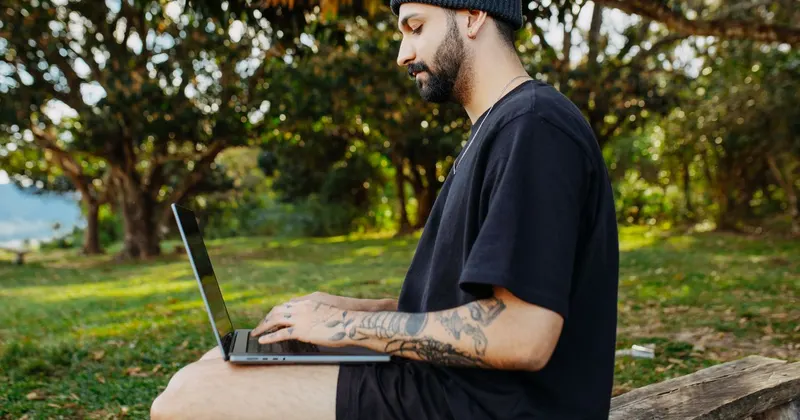
You have been chasing the digital nomad life across the usual hubs, and each one has a catch: Bali is beautiful but tax-murky, Dubai is fast but expensive, Lisbon filled up and priced out. Paraguay for digital nomads is the quiet alternative almost nobody talks about, and that is the point. A landlocked country in the middle of South America gives you fiber internet, a low cost of living, permanent residency that leads to a passport, and a genuinely territorial tax system that leaves foreign income alone.
I spend regular stretches in Paraguay and my team works on the ground in Asunción, so this is the practical version, not the brochure.
Why Paraguay Works for Digital Nomads and Remote Workers
The pitch is simple, and it holds up better than most nomad marketing. Paraguay combines four things that rarely appear together: a low cost of living, a territorial tax system that in principle leaves genuinely foreign income untaxed, permanent residency that leads to citizenship, and a time zone that overlaps neatly with the Americas. For a remote worker billing clients in New York or a founder running a business from a laptop, that combination is worth more than a beach.
The time zone matters more than people expect. Asunción runs on UTC-3 year-round (Paraguay dropped daylight saving in 2024), so your working day lines up with clients across North and South America and still catches the European afternoon. You are not permanently awake at 3 a.m. for standups, which is the quiet tax that ruins a lot of Southeast Asian nomad setups.
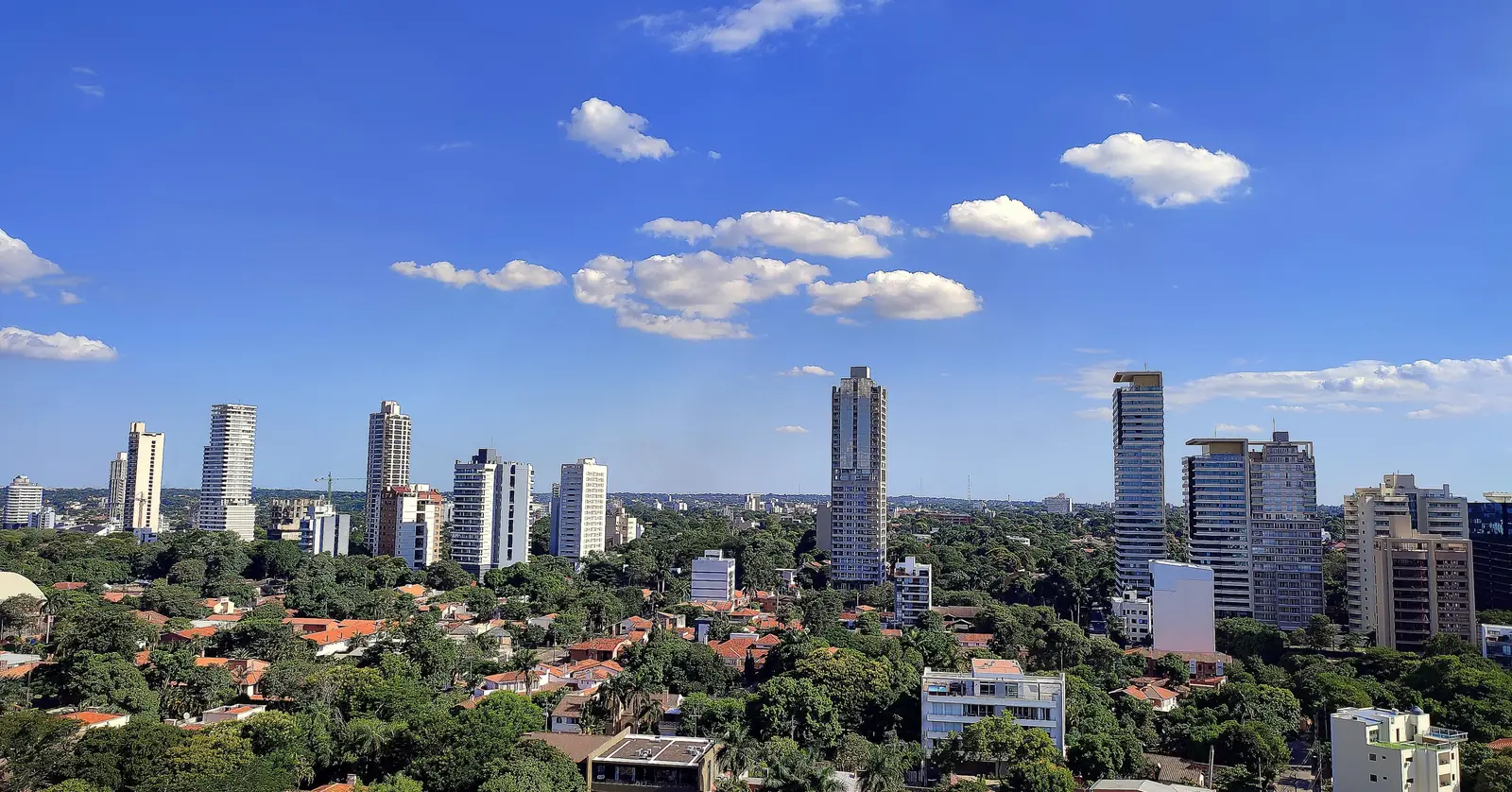
Paraguay is also stable in the boring, useful sense. The streets in Asunción feel calmer than in most of the region, and nobody is trying to sell you a lifestyle. What you will not find is nightlife, a beach scene, or a ready-made backdrop. Paraguay rewards the nomad who wants a base to build from, not a two-week highlight reel.
Internet and Infrastructure for Digital Nomads in Paraguay
No remote worker relocates on vibes alone; the first question is always the connection. In Asunción, fiber-to-the-home is widely available, and entry-level residential fiber now begins around 200 Mbps as of September 2026, and the main providers advertise tiers of 600 to 700 Mbps. Providers like Tigo, Personal, and Claro cover the city, and installation in a rented apartment is usually a matter of days. These are approximate figures, and speeds vary by neighborhood, so test before you sign a lease.
For redundancy, Starlink is available in Paraguay and has become a popular backup for people who cannot afford a dropped call during a client meeting. Many nomads run fiber as the primary line and keep a Starlink dish or a mobile hotspot as failover. Between the two, you can build a connection that holds up for video calls, large uploads, and anything short of running a data center.
Coworking is smaller than in Lisbon or Medellín but real. Asunción has several spaces around Villa Morra and the city center, with day passes, monthly desks, and the meeting rooms you need for client calls. Power in the capital is reliable enough that outages are the exception. The honest caveat: leave the city and infrastructure thins quickly, so if your plan is a rural retreat with fiber, verify coverage at the exact address before you commit.
How Paraguay's Territorial Tax Applies to Digital Nomads
The country's tax system is territorial. In principle, Paraguay taxes income based on where it is sourced, not on where you live, so foreign-source income such as dividends, interest, gains on foreign assets or a pension from abroad falls outside the Paraguayan income tax net. Client work is the harder case: when you do it physically in Paraguay, the income can be treated as Paraguayan-source (IRP/IRE, around 8 to 10%), and a foreign client or platform does not change that.
Two distinctions trip people up. First, legal residency (the cédula) is not the same as tax residency. Paraguay's tax law has no day count, and whether you are tax-resident there is decided under that law, which a local contador applies to your facts. Your former country runs its own tests, and the card will not stop it taxing you if your real center of life never moved. Second, source is about substance: where the work is physically done, not where the client sits or which currency lands.
So a nomad's income does not sort itself into the 0% column just because the clients are abroad. How yours is classified depends on the facts, and it is one to settle with a Paraguayan tax adviser before you rely on any rate; we can connect you with the licensed advisers we partner with in Paraguay.
I walk through the mechanics, where the RUC fits, and where people get it wrong in the guide to how Paraguay's 0% territorial tax actually works. Treat any 0% as a result to confirm, not a switch you flip on arrival.
Structuring Remote Income with a US LLC as a Paraguay Nomad
A company abroad does not decide where your income is sourced, but it does bring order. For many online entrepreneurs and freelancers that means a US LLC, typically formed in a state like Wyoming, used as a pass-through vehicle that invoices international clients and keeps business money apart from personal money. If you are still weighing where to base yourself at all, our ranking of the best countries for freelancers puts Paraguay against the usual alternatives on more than tax alone.
On the US side, an LLC owned by a non-US resident is generally treated as a pass-through, and it owes no US federal income tax only as long as it has no US trade or business and no effectively connected income (ECI). Whether that holds for your setup is a question for a US CPA.
On the Paraguayan side, that profit is not automatically foreign-source. If you do the work from a desk in Asunción, it may be sourced in Paraguay despite the US entity, so put that question to a Paraguayan tax adviser before planning on 0%. What the LLC buys you is clean invoicing, separate books, and an arrangement banks can read at a glance.
There is banking, invoicing, and compliance to get right, and I cover it in detail in the guide to the US LLC compliance guide. One group has to read that guide with very different expectations, and it is the most important caveat in this entire article.
US citizens and green-card holders: You are taxed on your worldwide income regardless of where you live. Paraguay residency does not remove US tax; the FEIE only helps partially. Consult a US-qualified advisor and see our US citizens and Paraguay taxes guide.
Cost of Living for Digital Nomads in Paraguay
Paraguay is not the cheapest country in South America on paper, and what you spend depends heavily on neighborhood and habits. A single remote worker living comfortably in Asunción, meaning a decent one-bedroom apartment, eating well, using a coworking desk, and going out, generally lands somewhere around $1,200 to $1,700 a month as of 2026. These are approximate figures, and your number depends heavily on neighborhood and habits.
Rent is the biggest lever. A furnished one-bedroom in a good central neighborhood such as Villa Morra or Carmelitas costs about $500 to $900 monthly as of 2026, less if you go slightly out from the center or share. Groceries, local restaurants, domestic help, and transport are cheap by North American or European standards; imported goods, electronics, and international flights are where the bills climb. A coworking desk and health insurance are modest monthly line items rather than budget-breakers.
The practical point for a nomad is that Paraguay lets you keep a genuinely low burn rate while building a real base, which is what you want if your income is variable. For a full breakdown with current numbers, see the cost of living in Paraguay guide. Low overhead matters most when income is irregular.
Thinking about basing yourself in Paraguay? A short intro call explains what our residency packages include, how many trips each one takes and what it costs. Income classification goes to the licensed tax professionals we work with locally. Get in touch.
Residency and the Cédula: The Nomad's Path to Legal Status
Paraguay does not have a specific digital nomad visa, and honestly it does not need one, because what it offers at the end of the process is more generous than most nomad visas anywhere. The route is staged rather than direct: you obtain temporary residency first, hold it for up to two years, and apply to convert it to permanent residency in months 21 to 24 of that period.
Both stages carry a cédula (the national ID card), and permanent status opens the door to citizenship and a passport with strong visa-free access. Only investors under the Investor Pass, and spouses or children of Paraguayans, go straight to permanent residency.
The process is done in person, and you choose its shape up front: two trips, with the card ready five to seven months after your filing date, or a single longer stay lasting three to four months, the route the Premium package takes with the cédula fast-track included. The local tax ID (RUC) is a separate step, issued only after an in-person visit to the DNIT once the cédula exists. You make that visit yourself, though any DNIT office in the country will do.
Nomads should read the presence rules closely. There is no minimum number of days, but a temporary resident must enter Paraguay at least once a year and must never spend more than 12 consecutive months abroad, or the later switch to permanent status is blocked (Ley 6984/2022). Permanent residents must enter at least once every three years under Art. 54 of the same law.
Our guided residency package, which covers coordination of the application file, sworn translations, government fees, filings, and in-country support, currently costs $1,400. A lighter self-service tier where you gather your own paperwork sits at $600, down from $875.
New rules landed in 2026: a solvency regime for the permanent-residency stage under Resolución DNM 407/2026, which lists remote workers and digital nomads as one of its twelve categories, and updated Migraciones fees under Resolución DNM 478/2026. The exact paperwork is a moving target worth confirming close to your application date.
This is the part where doing it properly pays off, because a botched application means another flight and another wait. For a full walk-through of the documents, trips, and timelines, see the step-by-step guide to moving to Paraguay. Residency is the platform. Paraguayan tax residency sits on top of it as a separate question under Ley 6380/2019, one a contador answers for your case, and that is the footing on which your income gets classified.
The Expat and Digital Nomad Community in Asunción
The nomad and expat community in Paraguay is small but growing, and Asunción is its center. You will not find the dense, English-speaking scene of Medellín or Lisbon, but there are active WhatsApp and Telegram groups, regular meetups, coworking crowds, and a steady trickle of entrepreneurs, crypto people, and remote workers who chose Paraguay for the same reasons you are reading this. Because the community is smaller, it is also friendlier and easier to plug into; newcomers get real help, not gatekeeping.
Most nomads cluster in a handful of neighborhoods. Villa Morra, Las Carmelitas, and the areas around them offer walkable streets, cafes, gyms, and modern apartments within reach of coworking. Where you live shapes your daily experience more than almost any other decision, so choose deliberately rather than taking the first listing you find online. I break down the trade-offs in the guide to the best neighborhoods in Asunción.
A quiet advantage of a smaller community is longevity. Nomad hubs that blow up tend to price out and burn out; Paraguay is early enough that you can build genuine local relationships, a routine, and a business base without the churn. For people who want a home rather than a stopover, that matters.
The Honest Downsides of Paraguay for Digital Nomads: Heat, Bureaucracy, Spanish
No honest guide skips the caveats, and Paraguay has real ones. The first is the heat. Summers, roughly December to February, are genuinely hot, with stretches above 40°C and high humidity. Air conditioning is not a luxury here; it is a survival tool, and if you hate heat, plan your visits and your apartment accordingly.
The second is bureaucracy. Paraguay runs on paper, patience, and in-person appointments. Processes that would be a five-minute online form elsewhere can mean a morning in a queue, and timelines slip. This is exactly why residency paperwork is worth handling with someone who knows the system, and tax questions with a local adviser, rather than improvising alone.
The third is language. You can get by in Asunción with basic Spanish, but you cannot thrive without it. English is not widely spoken outside expat and business circles, and Paraguay is bilingual in Spanish and Guaraní, the latter woven through daily life. Even modest Spanish transforms your experience, from renting an apartment to making friends.
Add the smaller items: Paraguay is landlocked with no beaches, international flight connections are limited and often route through neighboring countries, and it is not a place for constant novelty. None of these are dealbreakers, but choose Paraguay with your eyes open, for what it actually is.
Is Paraguay a Good Base for Digital Nomads?
Paraguay is not for every digital nomad, and it does not pretend to be. If your priorities are beaches, nightlife, a huge English-speaking scene, and effortless travel connections, other bases will serve you better. But if you are a remote worker or online entrepreneur who wants a low cost of living, a genuinely territorial tax system, a clear path to permanent residency and, eventually, a Paraguayan passport, and a quiet, stable place to build from, Paraguay is worth a serious look.
The people who thrive here treat it as a real relocation, not a stopover: they learn some Spanish, get their residency and RUC done properly, have their income classified by a professional, and build an actual life on the ground. Do that, and the lifestyle math works, with the tax side resting on facts rather than hope. Arrive expecting a resort and you will be disappointed. Arrive expecting a base and you may not leave.
Ready to turn a nomad experiment into a real Paraguay base? Compare the three residency packages, from document coordination to the cédula, with RUC inscription built into Premium. View the packages.
Frequently Asked Questions About Paraguay for Digital Nomads
Is Paraguay good for digital nomads?
For the right person, yes. Paraguay offers digital nomads fiber internet, a low cost of living, a territorial tax system, and permanent residency that leads to citizenship. It suits nomads who want a stable, affordable base to build from. It suits beach-and-nightlife travelers far less, so match it to your priorities.
How fast is the internet in Paraguay for remote work?
In Asunción, the cheapest fiber plans start at about 200 Mbps as of September 2026, with 400 Mbps and faster widely sold, which is ample for video calls and remote work. Starlink is available as a backup. Speeds are approximate and vary by neighborhood, and infrastructure thins outside the capital, so test at your address first.
Do digital nomads pay tax in Paraguay?
It depends on the income. Foreign-source income such as dividends, interest or a pension from abroad sits outside Paraguay's territorial system in principle, while pay for client work done from your base in Paraguay may be Paraguayan-source and taxed at 8 to 10% or so, even when the clients are foreign. Get yours classified by a licensed adviser in Paraguay. US citizens remain taxed on worldwide income regardless, and your former country's rules still matter until you genuinely leave.
How much does it cost for a digital nomad to live in Paraguay?
A single digital nomad living comfortably in Asunción generally spends around $1,200 to $1,700 a month as of 2026, covering rent, food, coworking, and going out. These are approximate figures; rent in central neighborhoods is the biggest variable, while imported goods and international flights push budgets higher.
Do digital nomads need residency or a cédula in Paraguay?
To live in Paraguay long term and open bank accounts, yes. Paraguay has no dedicated digital nomad visa; instead you apply for temporary residency, which grants a cédula, and convert it to permanent residency in months 21 to 24, the stage that later opens the route to citizenship. Short visits on a tourist entry do not establish legal or tax residency.
How many days a year must a digital nomad spend in Paraguay?
Ley 6380/2019, Paraguay's income tax law, contains no day threshold. Whether and from when you are tax-resident is a matter of Paraguayan law that a contador clarifies; the RUC follows the cédula, and the certificate of tax residence later asks for it to be active with current filings. Your home country's residency tests, such as a 183-day rule or ties to a home there, are a separate matter and still decide whether you have left.
Is there a digital nomad community in Paraguay?
Yes, though it is smaller than in Medellín or Lisbon. Asunción hosts a growing community of remote workers, entrepreneurs, and investors, with active WhatsApp and Telegram groups, meetups, and coworking spaces concentrated around Villa Morra and Carmelitas. The smaller scale makes it friendlier and easier for newcomers to plug into.
Does Paraguay have a digital nomad visa?
No, Paraguay does not offer a specific digital nomad visa, and it does not really need one. Nomads use the ordinary route: temporary residency first, held for up to two years, then conversion to permanent residency. That end state is more generous than most nomad visas and leads to a cédula, long-term status, and eventually citizenship and a strong passport. Resolución DNM 407/2026 recognizes remote workers and digital nomads as a solvency category at the permanent stage.
Sources
- ▹BACN: Ley N° 6984/2022 de Migraciones
- ▹Migraciones: régimen de acreditación de solvencia económica (Resolución DNM 407/2026)
Disclaimer: This article is general information and does not constitute tax, legal, or investment advice. Laws in Paraguay and your home country can change. Consult a qualified professional for your situation.

About the author
Yannick Schroth
Founder · Paraguay relocation support
Spends regular time in Paraguay and, with his team on the ground in Asunción, guides international nomads, entrepreneurs and investors through residency, the cédula and the RUC paperwork.
Note: this article reflects the position at the time of publication. Laws, prices and deadlines can change, so individual details may since be out of date. Check the current rules before you act on them: we answer questions about residency and our services, while the tax treatment of your own case belongs with a qualified tax adviser.