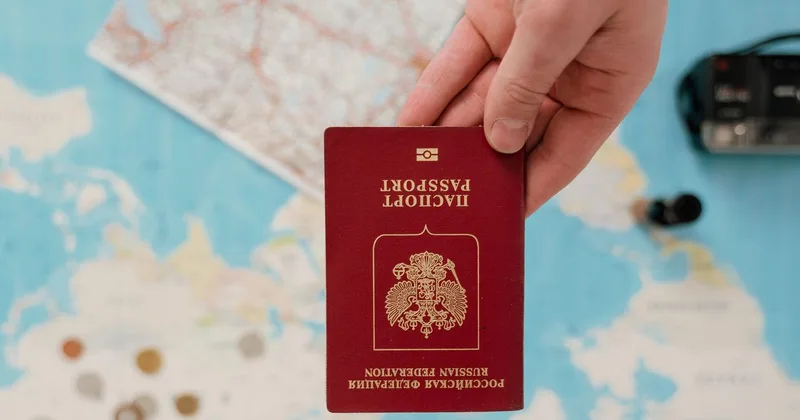
Paraguay residency for Ugandans is worth a closer look for someone with internationally earned income, a need for easier travel, or both. Paraguay offers something specific: a territorial system that in principle leaves foreign-source income untaxed, an accessible residency route, and a path to Paraguayan citizenship within roughly five years.
This is not a lifestyle-marketing pitch. It is a practical look at who actually benefits from Paraguay residency, what the tax advantage really covers, and how the mobility upgrade plays out once you hold a Paraguayan passport. It also covers the one complication most guides skip: Ugandans need a visa to enter, and that changes how you plan the move.
Who Paraguay Residency Actually Benefits
Paraguay residency suits a fairly specific profile rather than everyone equally. It fits entrepreneurs running an online business, remote employees paid from abroad, freelancers with foreign clients, and investors whose income does not depend on being physically present in any one country.
If your income already crosses borders, Paraguay leaves the foreign-sourced part untaxed, but be precise about what that covers: dividends and gains on assets abroad qualify far more clearly than remote work or freelancing done from a laptop in Paraguay, which Paraguay may tax as local income at 8–10%.
It is a weaker fit for someone whose income is tied to working physically inside Uganda, since that income remains Uganda-source regardless of where you eventually live. Be honest about which category your income falls into before assuming the tax benefit applies, and get advice on your specific setup rather than assuming a one-size-fits-all result.
Paraguay's Territorial Tax, Explained Honestly
Paraguay taxes on a territorial basis: income sourced inside Paraguay is taxed, income sourced outside Paraguay generally is not, for genuine tax residents. Genuine matters here. You need real tax residency under Paraguayan law, which a contador there can confirm, not just a stamp in a passport. A US LLC can hold foreign income and simplify international banking, yet it does not reclassify work you carry out from Paraguay, so that call belongs to a Paraguayan tax adviser.
This is not a loophole and it is not secret. It is simply how Paraguay's tax code is built, and it is one reason the country appears repeatedly in comparisons of low-tax relocation destinations. Our Paraguay 0% tax residency guide walks through the mechanics in full, including what counts as foreign-source and what does not.
You should still confirm, ideally with a qualified adviser, how Uganda treats your income once you are no longer resident there, since that is a separate question from what Paraguay does. Tax rules on both sides can change, and your specific structure determines the actual outcome, not general statements in an article.
How Accessible Is Paraguay Residency, in Practice
Compared with countries that demand a large investment or property purchase, Paraguay's standard residency route has no minimum investment requirement. You submit the standard documents (consular legalization rather than an apostille, since Uganda sits outside the 1961 Apostille Convention), and the process moves through Migraciones without needing to park a large sum of capital in the country first.
The presence requirements are light by design, though they are real. As a temporary resident you must enter Paraguay at least once a year and never stay away more than twelve unbroken months; once permanent, you must enter at least once every three years. For someone easing out of a Ugandan job or business rather than cutting ties overnight, that is a workable pace rather than an ultimatum.
The cédula step-by-step guide covers the actual appointment: what to bring, how the ID card process works, and where people commonly get tripped up on paperwork. Reading it before your trip saves a second visit.
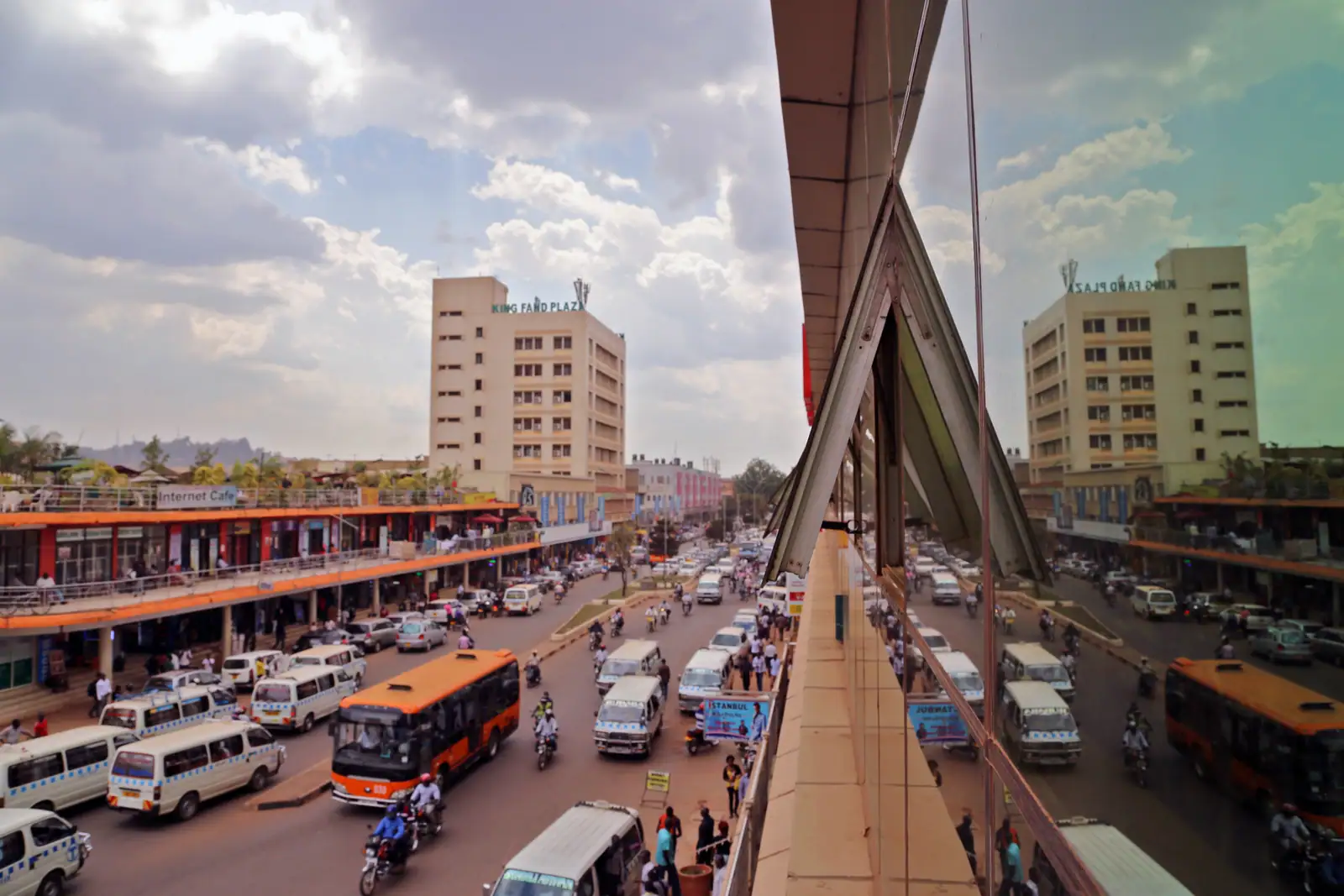
The Visa Complication for Ugandan Applicants
Here is the piece that changes the plan for Ugandans specifically. Unlike many nationalities, Ugandans need a visa just to enter Paraguay, before residency even enters the picture. Skipping this step, or assuming the residency process starts the moment you land, is the most common way a first trip goes wrong.
Our detailed breakdown of exactly which nationalities require a visa, and how the process actually works, is covered in Paraguay residency for visa-required countries. If you are Ugandan, treat that as required reading before booking a flight, and pair it with our companion piece on moving to Paraguay from Uganda for the full sequence.
Want the visa and residency handled as one process? On request, we coordinate the visa and the Paraguay residency application together for visa-required nationalities like Uganda. Pricing is quoted case by case. Book a call.
Mobility: What a Paraguayan Passport Actually Changes
Tax rules are one consideration. The passport solves a mobility problem, and for many Ugandans it is the bigger long-term win. The Ugandan passport is relatively weak for visa-free travel, which turns even routine business trips or family visits into a visa-application exercise.
A Paraguayan passport carries visa-free or visa-on-arrival access to more than 140 countries. That is not a marginal upgrade; it changes how spontaneously you can travel for business, how easily family can visit you, and how much friction disappears from everyday international life. It typically becomes available roughly five years after establishing residency, split between temporary and permanent status.
One caution before counting on two passports. Paraguay recognizes multiple nationality only where an international treaty provides for it (Article 149 of its Constitution), and there is none with Uganda, so on naturalization Paraguay may require you to renounce your Ugandan nationality. Our partner lawyer clarifies how that would be handled in your case. Residency and the cédula on their own leave your Ugandan citizenship as it is.
Cost of Living: The Third Advantage
Paraguay's low cost of living rounds out the case. A single person can generally live comfortably on roughly $1,200 to $1,700 a month, and that figure covers rent, food, and transport in a city like Asunción, not a stripped-down survival budget. Families scale up, but the baseline stays well below many alternative relocation destinations.
That combination, low tax on foreign income, accessible residency, and low living costs, is why Paraguay keeps appearing in serious comparisons of relocation options. See our comparison of residency countries breakdown for how Paraguay stacks up against the alternatives Ugandans typically also consider, including practical cost-of-living detail for 2026.
Being Realistic About What This Does Not Guarantee
No provider, including us, can guarantee entry into Paraguay. The Migraciones officer at the border makes the final call on admission, and thorough preparation improves your odds substantially without eliminating that discretion. Anyone promising a guaranteed outcome is not being straight with you.
The tax picture requires the same honesty. The 0% benefit applies to foreign-source income under genuine residency and proper structuring, and Paraguay-source income remains taxable as normal. Confirm your Ugandan tax position separately, and treat this article as a starting point for a conversation with an adviser, not a substitute for one. If you also hold US citizenship or a green card, add a third layer: the US taxes you on worldwide income wherever you live, and Paraguay residency leaves that untouched.
Frequently Asked Questions About Paraguay Residency for Ugandans
Does Paraguay tax foreign income for Ugandan residents?
Generally no, under Paraguay's territorial tax system, provided you are genuinely tax-resident under Paraguayan law. Paraguay-source income remains taxable, and remote work performed from inside Paraguay can fall into that category even when billed through a US LLC. You should confirm separately how Uganda treats your income once you establish tax residency abroad.
Is there a minimum investment for Paraguay residency as a Ugandan?
No. The standard residency route has no minimum investment requirement, unlike jurisdictions that require a large deposit or property purchase. You submit standard documents, legalized through consular channels, and stay inside light presence rules: while your residency is temporary, at least one entry a year and never twelve unbroken months outside the country.
Do Ugandans need a visa before applying for Paraguay residency?
Yes. Ugandans need an entry visa before traveling to Paraguay, and this has to be arranged before the residency process itself begins. This is different from the process for visa-exempt nationalities, so plan the visa step first.
How long until a Ugandan resident gets a Paraguayan passport?
Roughly five years, typically two years as a temporary resident followed by three as a permanent resident, assuming presence and documentation requirements are met throughout. The resulting passport offers visa-free or visa-on-arrival access to more than 140 countries.
How much does it cost to live in Paraguay as a Ugandan expat?
A single person can generally live comfortably on roughly $1,200 to $1,700 a month, covering housing, food, and transport in a city like Asunción. Costs vary with lifestyle and location, but the baseline is notably lower than many comparable relocation destinations.
Can you handle both the visa and residency application for Ugandans?
Yes, on request. We manage the visa and Paraguay residency process together for visa-required nationalities including Uganda, coordinating documents and timelines as one process. Pricing depends on individual circumstances and is quoted after a call.
Who benefits most from Paraguay residency among Ugandans?
Investors with assets abroad and entrepreneurs whose businesses earn outside Paraguay benefit most clearly, since Paraguay's territorial system in principle leaves foreign-source income untaxed. Remote workers and freelancers gain less automatically, because Paraguay can claim income from work done on its territory. Income from working inside Uganda stays taxable in Uganda as the source country.
Can Paraguay guarantee that a Ugandan applicant will be admitted at the border?
No. Final admission is decided by the Migraciones officer on duty, regardless of how well-prepared the visa and documents are. Thorough preparation meaningfully improves the odds of a smooth entry but cannot remove that officer's discretion.
Legal basis and disclaimer: This article is general information, not individual legal or immigration advice, and requirements can change. Paraguay's residency and immigration rules rest on Ley 6984/2022, the Ley de Migraciones, a statute passed by Congress, and the resolutions that apply it are published by the Dirección Nacional de Migraciones (DNM). Confirm the current requirements with Migraciones or a qualified adviser before you file.

About the author
Yannick Schroth
Founder · Paraguay relocation support
Spends regular time in Paraguay and, with his team on the ground in Asunción, guides international nomads, entrepreneurs and investors through residency, the cédula and the RUC paperwork.
Note: this article reflects the position at the time of publication. Laws, prices and deadlines can change, so individual details may since be out of date. Check the current rules before you act on them: we answer questions about residency and our services, while the tax treatment of your own case belongs with a qualified tax adviser.