Paraguay residency for Indians has quietly become one of the more discussed options among dollar-earning freelancers, consultants, and business owners looking at residency abroad. The usual summary is short: territorial taxation, a comparatively accessible residency process, and a possible passport years later.
The honest version is a little more layered than that, and it should be, given how much is riding on getting the details right. This article walks through what Paraguay's territorial tax system actually means for Indian earners, who genuinely benefits, and how the residency and visa pieces fit together for Indian citizens specifically.
Why Indian Earners Look at Paraguay Residency
India's own tax rules, and whether they still apply to you after a move, are a matter for a chartered accountant in India.
Layer on the rupee's long-term slide against the US dollar and the Liberalised Remittance Scheme's cap on sending money out of India, broadly around USD 250,000 a year, and some Indian earners start looking at where else they could live. This is not a niche concern. India has one of the world's largest pools of dollar-earning IT, software, and freelance talent, and much of it is already thinking globally.
There is also a non-tax driver: many NRIs and Indian business owners are simply looking to diversify where they live and what passport they carry, independent of any single year's tax bill. Paraguay residency for Indians sits at the intersection of both motivations, a lower-tax base and a second place to live, which is why it comes up so often in relocation research.
How Paraguay's 0% Tax Works for Indian Income
Paraguay runs a territorial tax system. In plain terms, it taxes income earned inside Paraguay and, as a general rule, does not tax the foreign-source income of its tax residents.
Returns on investments held abroad, foreign dividends and interest, or profits of a business that truly operates outside Paraguay can fall outside Paraguay's tax net once you are a proper resident. Service work is the exception people miss: consulting or coding done while you are based in Paraguay can be viewed as local income, with IRP or IRE applying at rates between 8 and 10 percent, even when every client is overseas.
Two words carry the weight here: residency and classification. The 0% outcome needs Paraguayan tax residency, which is a question of Paraguayan tax law for a contador to clarify, not something a cédula and occasional visits settle. A US LLC eases invoicing and banking, yet the place where you sit and do the work still decides the source; the facts matter, and a local tax professional should rule on them before you lean on 0%. The mechanics are covered in depth in the Paraguay 0% territorial tax guide.
If you also hold US citizenship or a green card, the US taxes your worldwide income regardless of residency, so none of this brings you to 0%.
It is equally important to say what Paraguay residency does not do. It does not automatically end your Indian tax residency or NRI obligations; those are governed entirely by India's own rules and depend on your specific facts, including how many days you spend where. Anyone serious about this should get independent advice from a qualified Indian tax adviser alongside the Paraguay planning, not instead of it.
Know who answers which question before you rely on 0%. Whether the territorial rule reaches your income is for a licensed Paraguayan tax professional to judge, and the introduction to one is something we arrange. What we take on ourselves is the residency file, the cédula appointments and, where the package includes it, the RUC inscription you attend in person at the DNIT. Book a call to plan that side before committing to anything.
Who Actually Benefits From Paraguay Residency
This is not a fit for everyone, and being honest about that upfront saves people from a costly mistake. The clearest tax case is for investors and business owners whose returns come from assets or companies abroad. Freelancers, consultants and remote IT professionals billing overseas clients are not automatically at 0%, because work done inside the country can fall under local income tax brackets of 8 to 10 percent.
It suits far less well someone whose income is fundamentally India-sourced, a domestic salary, an Indian client base, or a business that depends on being physically present in India day to day. For that profile, Paraguay's territorial 0% has little to bite on, because the income is locally sourced by definition and would remain taxable regardless of where you personally live.
The Passport: A Real Mobility Upgrade for Indians
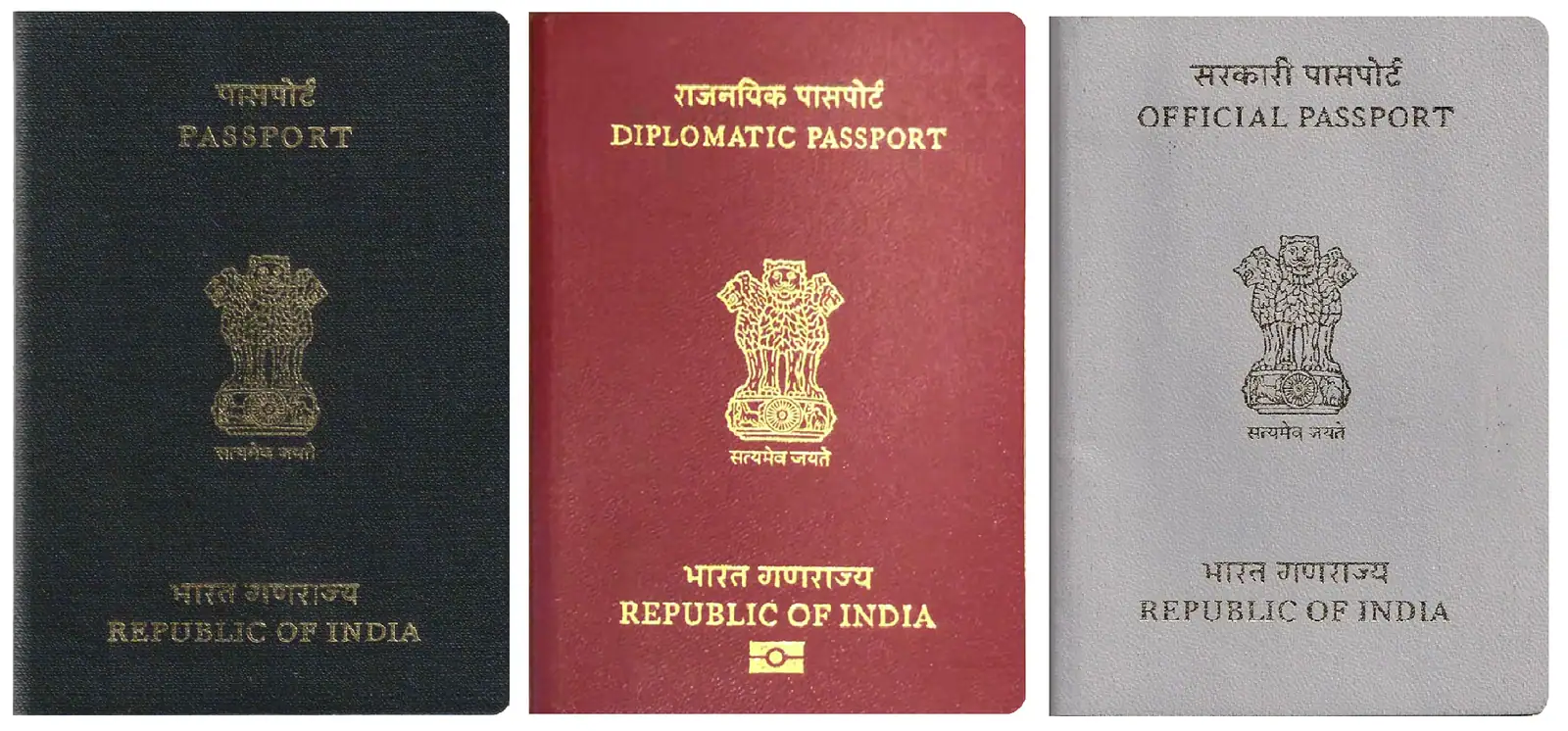
Set tax aside for a moment and look at travel freedom. The Indian passport currently provides visa-free or visa-on-arrival access to a relatively limited set of countries compared with many Western and South American passports, a real constraint for business owners, digital nomads, and families who travel often.
Paraguay's naturalization path runs roughly five years: two years as a temporary resident, then three years as a permanent resident, assuming you meet ongoing requirements throughout. At the end of that path sits a Paraguayan passport offering visa-free or visa-on-arrival access to more than 140 countries, a substantial and durable upgrade in personal mobility.
For many Indian applicants, this passport outcome is at least as compelling as the tax benefit, sometimes more so, because it is permanent and does not depend on any single year's income or tax planning working out perfectly. It is a five-year project, not an instant fix, but it is a realistic one.
One legal point belongs in that plan from the start. Paraguay's Constitution (Article 149) admits dual nationality only through a treaty, and India has none with Paraguay, so on naturalization Paraguay may require you to renounce your previous nationality; how that would be handled for you is a question we put to our partner lawyer. Residency and the cédula do not touch your Indian citizenship.
The Visa Requirement Indians Cannot Skip
Here is the detail that separates Paraguay residency for Indians from residency for many other nationalities: Indian citizens need an approved visa to enter Paraguay at all, before any residency application can begin. Nationals of Canada, the EU, and much of Latin America can simply travel and start the residency process on arrival; Indian citizens cannot.
This makes the visa step a genuine prerequisite rather than a formality, and getting it wrong, an incomplete application, a missing apostille, mismatched documents, can mean a wasted trip or a refused entry before residency is even on the table. Full detail on which nationalities need a visa and why is in the guide to Paraguay residency for visa-required countries.
We are direct about the limits here. No provider, including us, can guarantee 100% entry, since the final call always belongs to the individual Migraciones officer at the border. What we do is coordinate the visa request and the residency file as one process, which is why we handle both the visa and the residency process together for visa-required nationalities like Indian citizens, with pricing on request depending on your case.
Paraguay Residency and the Cédula Process for Indians
Once the visa clears and you arrive, residency itself follows a defined sequence: registering with Migraciones, submitting the required paperwork, and eventually receiving the cédula, Paraguay's national ID card and the practical proof of residency. Full step-by-step detail on documents and timelines is in the Paraguay residency and cédula guide.
Paraguay's process is comparatively light by regional standards, with no investment minimum on the standard route. Presence requirements stay modest too. The law limits how long you may stay away without a break - twelve months during the two-year temporary phase, three years once you hold permanent residency - which suits people who want to keep working and traveling rather than being tied to one place.
Cost of living during this process matters as well, and Paraguay is genuinely affordable. A comfortable single life in Asunción typically runs about $1,200 to $1,700 a month, details of which are in the cost of living in Paraguay 2026 guide. Combined with a companion piece on the visa-and-move process itself, moving to Paraguay from India, that covers the practical side end to end.
Considering the visa-and-residency route? A short call explains how our combined service works, what it costs and how long the residency stage takes, and for the tax questions we point you to a partner adviser in Paraguay. Talk to us before you commit to a date.
Frequently Asked Questions About Paraguay Residency for Indians
Does Paraguay residency give Indians 0% tax automatically?
No. The 0% covers only foreign-source income of Paraguay tax residents, and freelance projects delivered from a home office in Paraguay may attract local tax of up to 10 percent, even if a US LLC bills the client. Holding a cédula alone does not create the benefit. Indian tax obligations are separate and require their own qualified advice.
Do Indian citizens need a visa before applying for Paraguay residency?
Yes. Indian citizens are on Paraguay's visa-required list and must obtain an approved visa before traveling, which comes before the residency application itself. Unlike many other nationalities, Indians cannot simply arrive and start the residency process, making correct visa preparation a genuine prerequisite.
Who benefits most from Paraguay residency among Indian professionals?
Investors and owners of businesses operating abroad benefit most, since that income can be foreign-source for Paraguay. Freelancers, consultants and software professionals based in Paraguay may have their fees treated as locally earned and taxed in Paraguay. People with India-sourced salaries or client bases tied to physical presence in India see little tax benefit, since that income remains locally sourced regardless of where they live.
How long does it take to get a second passport through Paraguay residency?
Roughly five years from the start: two years of temporary residency followed by three years of permanent residency, assuming ongoing presence and other requirements are met throughout. The resulting Paraguayan passport offers visa-free or visa-on-arrival access to more than 140 countries, but with no dual-nationality treaty between Paraguay and India, have a lawyer confirm what naturalization would mean for your Indian citizenship.
What does Paraguay residency cost for Indian applicants?
Because Indian citizens require combined visa-and-residency handling rather than a residency-only process, pricing is quoted on request based on your documents and timeline. Separately, living costs in Asunción typically run about $1,200 to $1,700 a month for a comfortable single life.
Can Paraguay guarantee entry for Indian citizens with an approved visa?
No. An approved visa substantially improves the odds of smooth entry, but the final decision always rests with the individual Migraciones officer at the border. No provider can promise 100% entry for any visa-required nationality, which is why thorough documentation matters so much.
Does Paraguay residency end my Indian tax obligations?
Not automatically. Paraguay residency and Indian tax residency are governed by entirely separate rules, and your Indian obligations depend on your own facts, including days spent in India and NRI status. A qualified Indian tax adviser should review your specific situation alongside any Paraguay planning.
What does Paraguay residency mean for Indians focused on tax?
It depends on income mobility. If earnings are foreign-source for Paraguay, with investment income the clearest example, Paraguay may leave them untaxed, subject to classification by a local tax professional. If income is India-sourced, passport and lifestyle benefits may still justify it, but the 0% tax benefit specifically will not apply.
Legal basis and disclaimer: This article is general information, not individual legal or immigration advice, and requirements can change. Paraguay's residency and immigration rules rest on Ley 6984/2022, the Ley de Migraciones, a statute passed by Congress, and the resolutions that apply it are published by the Dirección Nacional de Migraciones (DNM). Confirm the current requirements with Migraciones or a qualified adviser before you file.

About the author
Yannick Schroth
Founder · Paraguay relocation support
Spends regular time in Paraguay and, with his team on the ground in Asunción, guides international nomads, entrepreneurs and investors through residency, the cédula and the RUC paperwork.
Note: this article reflects the position at the time of publication. Laws, prices and deadlines can change, so individual details may since be out of date. Check the current rules before you act on them: we answer questions about residency and our services, while the tax treatment of your own case belongs with a qualified tax adviser.