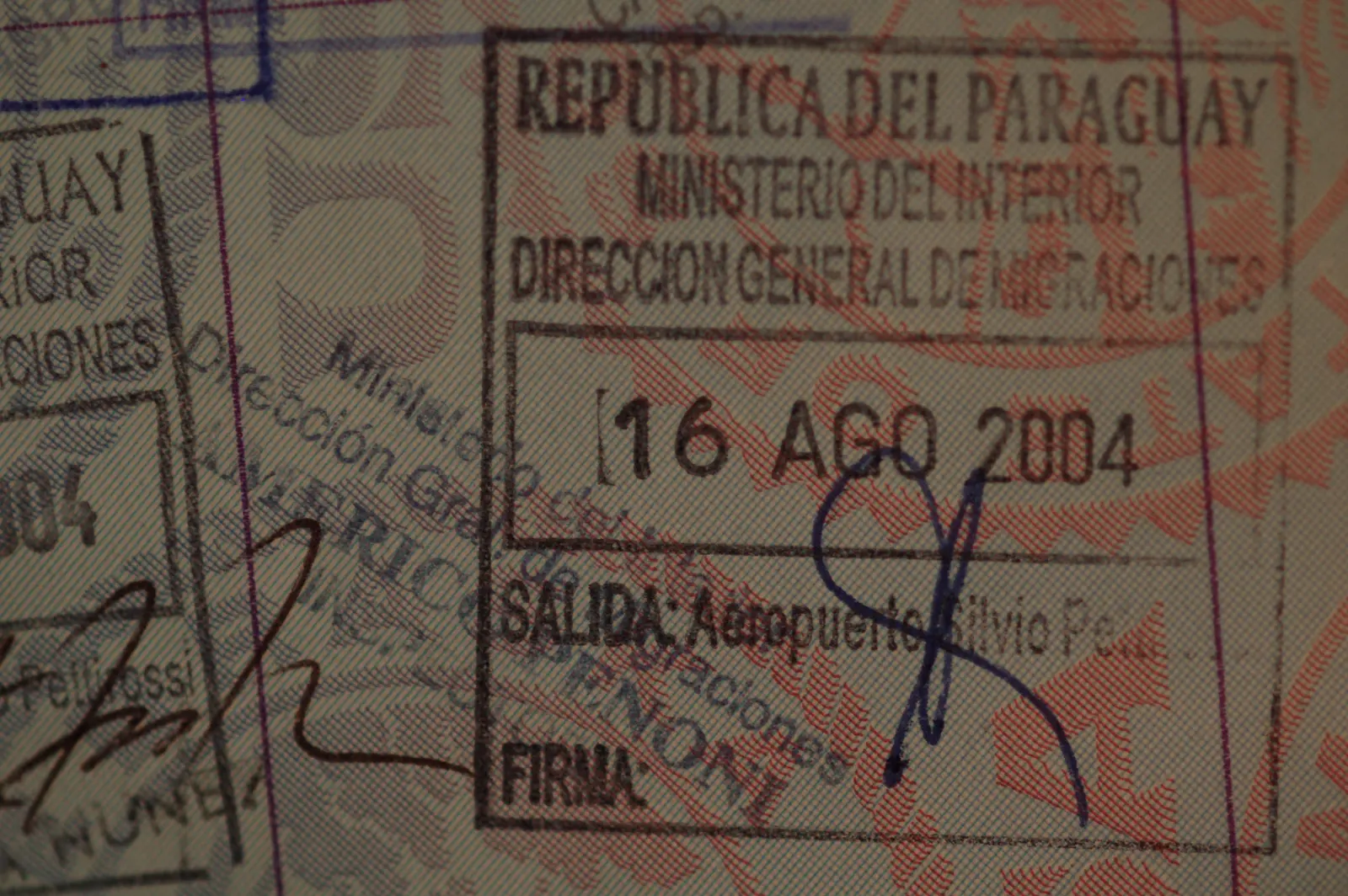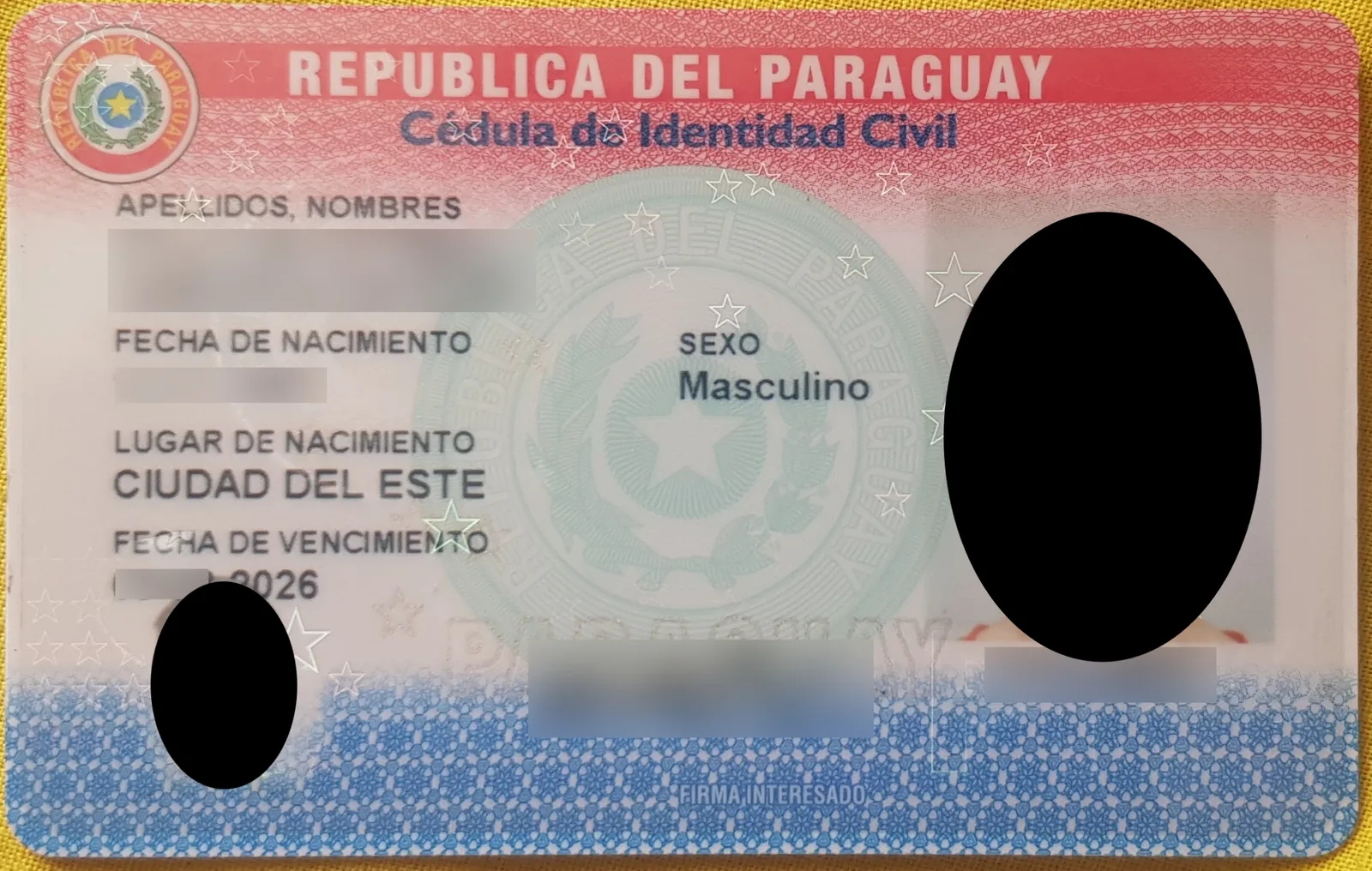
Search for a country without conscription and Paraguay turns up on the lists. That is half right, and the missing half matters most to the people relying on those lists. Paraguay does have compulsory military service. Foreign residents sit entirely outside it. Naturalized citizens do not.
What Ley 569 Says About Paraguay Military Service
The governing statute is Ley 569, Del Servicio Militar Obligatorio. Its Article 15 is the sentence that decides everything else:
Todo ciudadano paraguayo varón natural o naturalizado, está obligado a enrolarse desde los diez y siete hasta los cincuenta años de edad.
Every Paraguayan male citizen, natural-born or naturalized, must enrol from 17 to 50. The law makes no distinction between someone born in Asunción and someone who took the passport at 40.
Two words carry the weight. Ciudadano means citizen, not resident, which is why the obligation does not touch you while you hold a cédula and a residency. And naturalizado is the word most of the "no conscription in Paraguay" articles have never read.
Enrolment Is Not the Same as Serving
The register and the uniform are different things, and conflating them is where the internet panic comes from. Article 3 splits the 33-year span:
| Stage | Ages | What it means |
|---|---|---|
| Permanente | 18 to 19 | Active service in the armed forces or police institutions |
| Reserva | 20 to 50 | On the books, not in barracks |
The reserve then subdivides again under Article 4: Reserva Permanente to 32, Guardia Nacional 33 to 44, Guardia Territorial 45 to 50. So the band in which a man is actually called for active service is two years wide, not thirty-three. For anyone naturalizing in their thirties or forties, enrolment is a registry entry rather than a call-up.
The Exemptions Are Broader Than the Rule
Ley 569 carries a long list of exonerations and deferrals, and several of them describe the typical foreign-born citizen rather well. Definitive exoneration covers physical or mental incapacity for service under Article 42. The deferral and exemption categories include the sole supporter of a parent, grandparent or disabled sibling, the child of someone disabled in service, the child of a Chaco War casualty, and, plainly stated, married citizens.
There is also a quietly decisive one: the surplus of the classes called each year. Paraguay enrols far more men than it calls, so being on the register is not the same as being wanted.
Conscientious Objection Is a Constitutional Right Here
This is the part that rarely appears in relocation content at all. Articles 37 and 129 of Paraguay's Constitution recognise conscientious objection, and Ley 4013/2010 regulates how to exercise it.
The grounds are wide: religious, political, moral, ethical or philosophical. An accepted objector is excused from military service and instead performs substitute civilian service, in civil-population protection or care institutions, on the same terms and duration as the military version.
That is a real obligation rather than an escape hatch, and it should be read as one. But it means the honest answer to "what happens if a naturalized Paraguayan refuses to serve" is a documented legal route, not a prosecution.
Living Abroad Does Not Delete the Register
One detail catches people who assume distance solves it. Article 16 lists where enrolment happens, and subsection (d) names national consulates, for those residing abroad. A Paraguayan citizen living in Madrid or Miami is still expected to register, at the consulate rather than a barracks.
This matters for the readers who plan to naturalize and then leave again, treating the passport as a document rather than a nationality. Citizenship is a two-way relationship, and this is one of the duties on the far side of it.
What This Means for Your Decision
Sort the question by which status you actually hold, because the answer changes completely between them.
If you are a resident, including a permanent resident whose status is indefinite, none of this applies to you. You are not a citizen, and Ley 569 speaks only to citizens. Residency in Paraguay carries no military obligation of any kind.
If you are naturalizing and male, check your age against the table above before you file. Between 18 and 19 you are in the active band. Between 20 and 50 you are on the reserve register, which for most people means paperwork rather than service, subject to the exemptions and the objection route.
If you are naturalizing and female, Article 15 addresses varón, men. Paraguay's constitutional framework does contemplate service duties for women in defined circumstances, so treat that as a question for a Paraguayan lawyer rather than a settled no.
For most people reading this, the practical conclusion is undramatic: take the residency and cédula without a second thought, and go into the naturalization decision knowing there is a duty attached, alongside the visa-free travel that usually drives it.
Why the Lists Get This Wrong
Paraguay appears on "no conscription" roundups because those lists rank countries by whether service is actively enforced at scale, and Paraguay's call-up is small relative to its register. That is a fair description of the practice. It is not a description of the law.
The distinction matters when a son is born in Paraguay and holds the nationality from birth, or when you naturalize at 35 with the assumption that a Paraguayan passport carries only rights. It carries duties too, and this is one of the few that has an age range attached.
Frequently Asked Questions About Paraguay Military Service
Does Paraguay residency require military service?
No. Ley 569 binds Paraguayan citizens, and a resident is not a citizen. Holding a cédula, temporary or permanent residency creates no military obligation. The question only arises if you naturalize.
Does naturalizing in Paraguay make me liable for conscription?
For men aged 17 to 50 it puts you on the enrolment register, because Article 15 covers naturalized citizens explicitly. Active service sits in the 18 to 19 band; above that you are reserve. Exemptions and conscientious objection both exist, so registration rarely translates into service.
Can a naturalized Paraguayan refuse military service?
Yes, through conscientious objection under Constitution Articles 37 and 129 and Ley 4013/2010, on religious, moral, political, ethical or philosophical grounds. An accepted objector performs substitute civilian service instead, of the same duration.
Do my children become liable for Paraguayan military service if we naturalize as a family?
Not through your own naturalization. Article 148 of the Constitution requires legal adulthood, so minors do not naturalize together with their parents. A son born in Paraguay is a different case: he is a natural Paraguayan under Article 146 and enrols from 17 like any other citizen. A son who moved here with you comes under Article 15 only if he later naturalizes in his own right as an adult, and a Paraguayan lawyer can tell you how that timing sits against the active band.
Weighing residency against going all the way to citizenship? The two decisions have different consequences and different timelines, and this is one of the differences that rarely makes it into the brochure. Write to us to talk through the residency and naturalization timelines; on the military question itself, the final word belongs to a Paraguayan lawyer.
Disclaimer: General information on Paraguayan law, not legal advice, and not advice on any other country's military obligations. Ley 569, Ley 4013/2010 and their application can change, and individual cases turn on age, marital status, family circumstances and how the authorities apply the rules on the day. Take Paraguayan legal advice before naturalizing if military service is a factor in your decision.
Sources

About the author
Yannick Schroth
Founder · Paraguay relocation support
Spends regular time in Paraguay and, with his team on the ground in Asunción, guides international nomads, entrepreneurs and investors through residency, the cédula and the RUC paperwork.
Note: this article reflects the position at the time of publication. Laws, prices and deadlines can change, so individual details may since be out of date. Check the current rules before you act on them: we answer questions about residency and our services, while the tax treatment of your own case belongs with a qualified tax adviser.