Paraguay's Ministry of Industry and Commerce closed July with $448 million in approved investment projects for 2026, a 32% rise on the $338 million booked over the same seven months of 2025. The 116 approvals ran through Ley N° 7548/25, the fiscal-incentive law that replaced Ley 60/90 in September last year, and the ministry expects them to generate 2,621 permanent jobs.
The composition is the part worth pausing on. Domestic capital supplied $334 million of the total, up 35%, while foreign capital accounted for $114 million, up 26%. Paraguayans are putting more of their own money into industry here, and doing it faster than outsiders are.
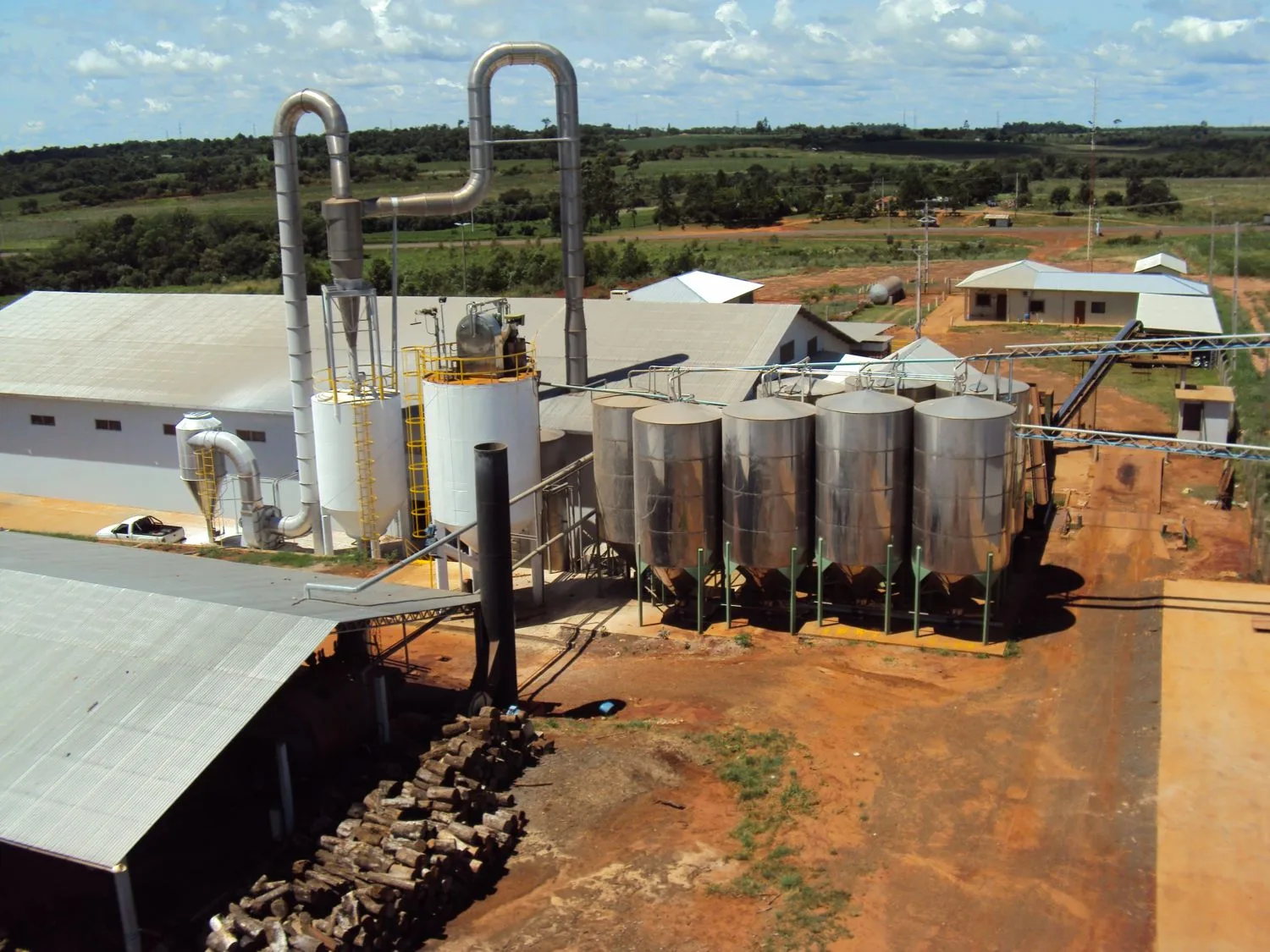
Where the Investment Money Went
Industry took 73% of the approved amount, covering manufacturing, construction and electricity, with the primary sector holding the remaining 27%. Services barely registered. On the employment side, five activities account for 64% of the projected jobs: food products at 20%, textiles and apparel at 17%, then metals, chemicals and pharmaceuticals, and plastics at 9% each.
That is an ordinary industrial basket, and the ministry reads it as a widening base, naming metalworking, rubber and vehicle components among the newer entries. Set beside the maquila export numbers from last month, it points the same way: the country is assembling and processing more, not only farming.
What the New Investment Law Actually Grants
Ley N° 7548/25 was promulgated on 8 September 2025 and published in Gaceta Oficial N° 205 that day. It then waited for Decreto N° 5432/2026, signed on 13 April 2026, to supply the operating rules. The regime is a package of exemptions rather than a lower rate, and nothing applies until a project has been approved.
- ▹Customs duties and VAT on imported capital goods, where no compatible local production exists
- ▹Customs duties on raw materials and inputs used to manufacture capital goods
- ▹VAT on the first sale of those capital goods between beneficiaries of the regime
- ▹Non-resident income tax (INR) on interest and commissions for loans in cash
- ▹Dividend and profit tax (IDU) on qualifying investments above USD 13 million, for up to 10 years
Benefits can be renewed, but no longer without end: 20 years from the original grant is the ceiling. Capital goods carry a five-year holding requirement, and beneficiaries file periodic reports showing what was actually invested and how much of the benefit they drew. The Investment Council recommends, and the Ministry of Industry and Commerce grants.
Decreto 5432/2026 also gave the assessment teeth. Projects are weighed on the jobs they create, the production and technology they add, and what they do for smaller firms. The employment benchmark is one reference job for every $50,000 invested per year, binding for new projects and only indicative for expansions.
How the Regime Changed From Ley 60/90
The headline change is even treatment. Under the old law the dividend-tax exemption was a foreign-capital privilege; Paraguayan investors above the $13 million line now receive the same relief. Two quieter shifts matter more day to day: approved companies can move capital goods between one another without a tax penalty, and can pledge them through guarantee trusts to raise financing.
Entertainment projects, theme parks and similar ventures, qualify for the first time. There is also a filter worth flagging on a site like this one: capital originating in zero-tax or low-tax territories is shut out of the regime. Paraguay is handing incentives to money it can trace, which sits with its wider move toward OECD standards.
What Paraguay's Investment Incentives Mean for You
Probably nothing, and that is the useful finding. This is a regime built for factories. The dividend exemption starts at $13 million, approval runs through a ministry, and the reporting duties continue for years afterwards. A consultancy, a software business, a rental portfolio or a trading account sits nowhere near it.
The commoner confusion is with residency, since both live under the word investment. Ley 7548/25 grants tax relief to a project and immigration status to nobody. The residency route tied to capital is the Investor Pass, a separate program under Resolución MIC 283/2026 with its own tiers starting far lower. The same ministry issues its investor certificate through SUACE, but the residency itself is granted by Migraciones.
Your own position is untouched by any of it. Paraguay's territorial system leaves genuinely foreign-source income outside the local net once you hold real tax residency, and that arithmetic neither improves nor worsens because a starch plant in Caaguazú won a customs waiver. If you are building something local, the company formation questions come first.
One exception stays fixed. US citizens and green-card holders are taxed by the IRS on worldwide income wherever they live, so no Paraguayan incentive, exemption or residency alters what they owe at home. Take US-qualified advice before assuming otherwise.
Frequently Asked Questions About Paraguay's Investment Incentives
Do Paraguay's investment incentives grant residency?
No. Ley N° 7548/25 is a fiscal regime for approved projects, administered by the Ministry of Industry and Commerce on the recommendation of the Investment Council. Residency and the cédula run through Migraciones under separate rules, the investor route included, and an approved project confers no immigration status by itself.
What is the minimum investment for the dividend exemption in Paraguay?
USD 13 million. Below that line a project can still qualify for the customs and VAT relief on capital goods, but the exemption from the dividend and profit tax (IDU), which runs up to 10 years, applies only above it. The threshold is now identical for domestic and foreign capital.
Does the 2026 investment incentives law change how Paraguay treats foreign-source income?
No. These incentives sit inside the corporate and customs system and attach to one approved project. Personal treatment of foreign-source income still turns on the territorial principle and on holding genuine Paraguay tax residency, which is a separate question from any ministry approval.
Planning to build here rather than only live here? Whether a project should seek incentive approval is best decided with a Paraguayan lawyer or accountant, before anything is registered. We can connect you with one. Send us the details.
Disclaimer: General information about a corporate incentive regime, not legal, tax or investment advice. Thresholds, decrees and administrative practice change. Check the law text and take professional advice before applying.
Sources
- ▹ABC Color: inversiones en Paraguay, el capital nacional toma la delantera y mueve US$ 334 millones
- ▹La Nación: inversiones aprobadas bajo régimen de atracción alcanzan USD 448 millones hasta julio
- ▹Revista PLUS: régimen de atracción de inversiones alcanza los US$ 448 millones y crece 32% a julio
- ▹BACN: Ley N° 7548/2025, nuevo régimen de incentivos fiscales para la inversión nacional y extranjera
- ▹Ferrere: se reglamentó la nueva Ley de Incentivos Fiscales (Decreto N° 5432/2026)

About the author
Yannick Schroth
Founder · Paraguay relocation support
Spends regular time in Paraguay and, with his team on the ground in Asunción, guides international nomads, entrepreneurs and investors through residency, the cédula and the RUC paperwork.