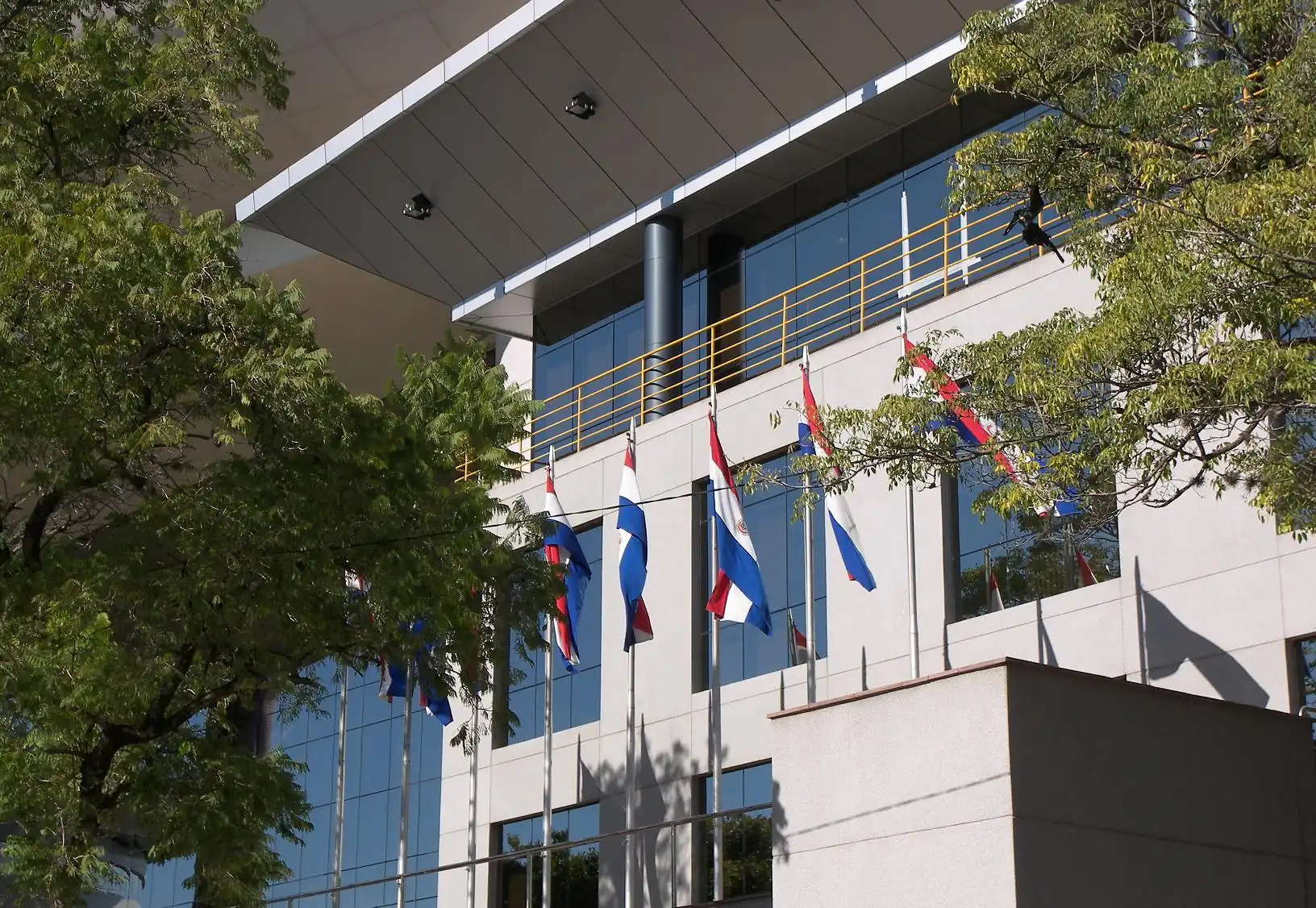
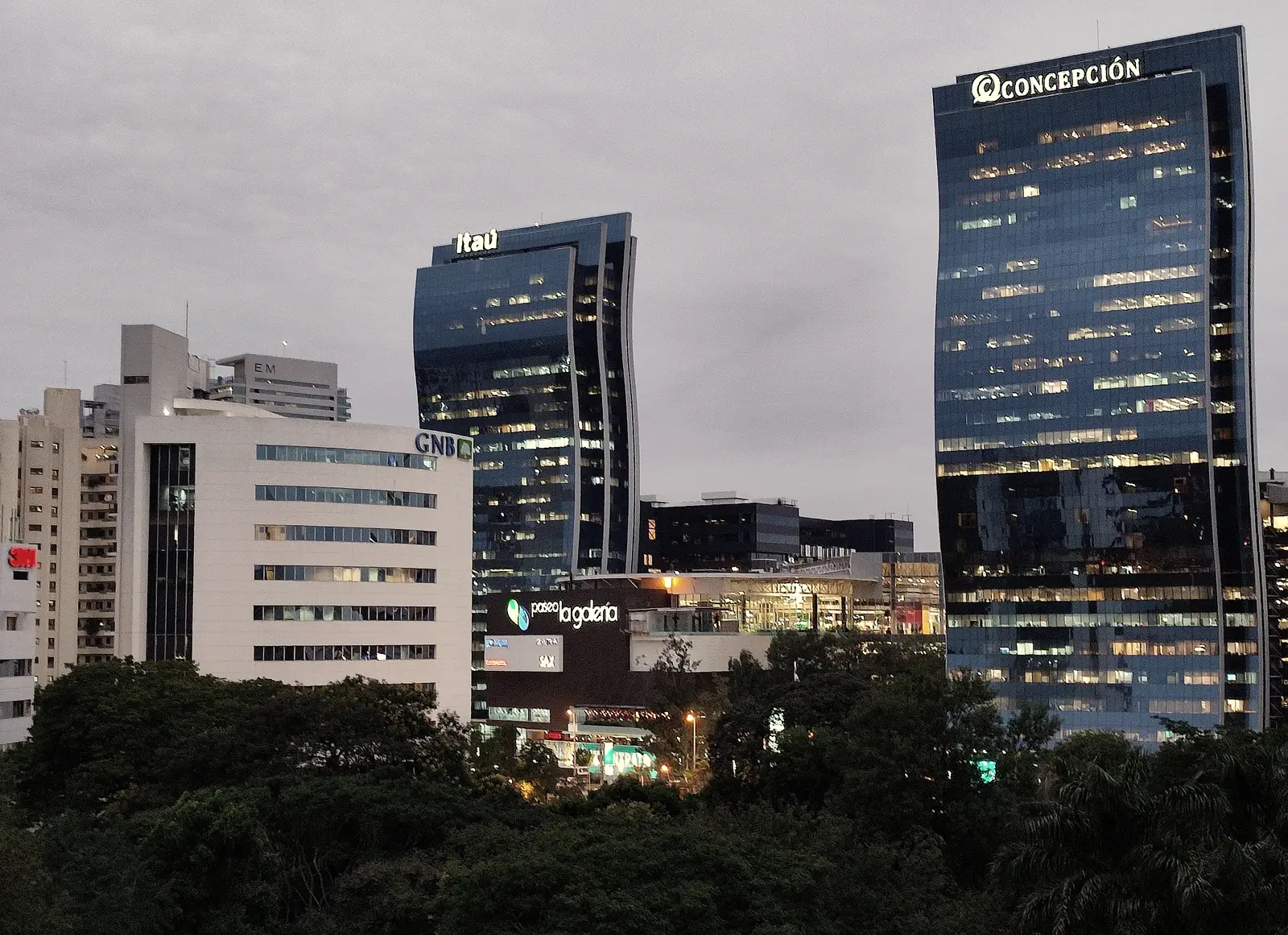
Asunción spent this week hosting several thousand people with a direct stake in crypto reporting. The second edition of Accelerating Bitcoin, the country's Bitcoin-only conference, ran on 12 and 13 August 2026 at Paseo La Galería with more than 70 speakers, and one of its panels went straight at the problem every attendee shares: Paraguay's tax authority now wants to see the wallets.
Exactly What DNIT Will Ask Crypto Holders For
The obligation itself is not new. General Resolution No. 47/2026, issued by the DNIT in March, created an annual informative declaration for crypto activity. What has come into focus since is the granularity, and the level of detail is the story.
For each reportable operation the return calls for the date and time, the type of cryptoasset, the quantity, the value in dollars, the commissions and costs, the transaction hash, the blockchain addresses involved, the origin and destination wallets, and the counterparty where it can be identified.
That is not a summary of your annual gain. It is a transaction ledger with wallet-level identifiers attached to a taxpayer number, which is a materially different thing from what most reporting regimes ask for.
The scope of assets is broad too: value tokens, utility tokens, stablecoins and NFTs all fall inside it. Central bank digital currencies are excluded.
Who the Crypto Reporting Rule Reaches
Two groups. Platform owners, administrators and operators in Paraguay, and any individual or entity resident or incorporated in Paraguay whose crypto operations exceed US$5,000 in a year, whether in one transaction or added together.
The rule follows the person rather than the venue. Operations conducted with or without an intermediary count, and so do those on foreign platforms, which closes the obvious workaround before anyone tries it.
Practically, the obligation has to be registered in your RUC under the code 959-DJI Criptoactivos, the return goes through the Marangatú system, and the first one covers fiscal year 2026 and falls due in March 2027. Filing late costs ₲1,000,000, roughly US$170.
DNIT executive manager Braulio Ferreira framed the purpose without much diplomacy: "We do not want to put an income ceiling on this currency. We want to see whether what this sector is paying really corresponds to reality." The agency says the aim is detecting inconsistencies, not restricting use.
The Warning From the Stage: Regulate or Strangle
The counter-argument came from the conference itself. José Antonio Bravo, a Spanish economist who specializes in crypto taxation and teaches at the Universidad Complutense de Madrid, presented a panel titled "Regulate or Strangle: the path toward regulation appropriate for Bitcoin".
His central claim is behavioral rather than legal. "When taxation or control is very severe, we are pushing many citizens to conduct transactions outside the system," he said, warning that complex calculation methods aimed at ordinary users drive both people and capital toward foreign platforms.
He put three suggestions on the table: exempt small transactions under about US$1,000, give a tax advantage to long-term holding, and simplify compliance so a normal user is not doing forensic accounting. Paraguay, he argued, can still become the regional model if it balances control against attraction rather than copying Europe's stricter systems.
The Privacy Objection Raised Inside Paraguay
Domestic criticism arrived earlier and was blunter. Writing in March, wealth advisor Augusto Fabrini called the resolution a shot in Paraguay's own foot, on the argument that a central database of hashes and wallet addresses is a honeypot.
His points are worth reading even if you disagree with the conclusion. Only compliant citizens file, while anyone with criminal intent uses privacy coins or mixers. Paraguay has a documented breach history, including a large leak from the National Police in 2023 and a ransomware incident at the IPS. And an unsolicited transfer into an address you control is difficult to disprove.
These are arguments in a live debate, not findings. The resolution stands as written.
What Crypto Holders in Paraguay Should Do Now
The single most useful fact here is a date. Fiscal year 2026 is already the first reporting period, so the transactions being recorded on chain today are the ones that go into the return next March. Reconstructing a year of wallet history in a hurry is unpleasant, and it is entirely avoidable.
Nothing about the tax treatment has moved. Paraguay's territorial system still leaves genuinely foreign-source income outside local income tax for a real tax resident, and our July report on the rule itself explains why an information return is not a charge. The mechanics of how a specific gain is characterized sit in our crypto tax guide.
What changes is the evidentiary standard. When the authority holds transaction-level data, the position you describe and the position visible on chain have to match, which favors people with clean records and disadvantages people improvising. That direction is the same one behind automatic exchange of financial information.
US citizens and green-card holders: none of this touches your US obligations. The United States taxes worldwide income on the basis of citizenship, so crypto gains stay reportable to the IRS wherever you live, and Paraguayan filings do not replace American ones. Take advice from a US-qualified professional.
Frequently Asked Questions About Paraguay's Crypto Reporting
Which crypto data does DNIT require?
Per transaction: date and time, asset type, quantity, dollar value, fees, the transaction hash, the blockchain addresses, the origin and destination wallets, and the counterparty where identifiable. The declaration covers tokens, stablecoins and NFTs, but not central bank digital currencies.
Does Paraguay's crypto reporting rule apply to foreign exchanges?
Yes, in effect. The obligation attaches to persons and entities resident or incorporated in Paraguay above the US$5,000 annual threshold, and it applies to operations with or without an intermediary. Using a platform based abroad does not remove the reporting duty.
When is the first crypto declaration due in Paraguay?
March 2027, covering fiscal year 2026, filed through Marangatú after registering obligation 959-DJI Criptoactivos in your RUC. Miss the deadline and the penalty is ₲1,000,000. That means this year's transactions already sit inside the first reporting period.
Is crypto taxed in Paraguay now?
Resolution 47/2026 is an information duty, not a levy. Genuinely foreign-source gains remain outside Paraguay's territorial income tax for someone with real tax residency, and how a given gain is characterized depends on the facts, so take local advice. US persons remain taxed by the IRS regardless.
Holding crypto and thinking about Paraguay? Putting 2026 wallet records in order is work for you and a Paraguayan contador. Our part is residency and the RUC, and we can recommend accountants who know the new declaration. Get in touch.
Disclaimer: This article is general information, not tax, legal or investment advice. Crypto rules and their interpretation change quickly, and the treatment of a specific transaction depends on your circumstances. Confirm current requirements with the DNIT or a qualified adviser before you act.
Sources
- ▹ABC Color: Criptomonedas, la DNIT quiere saber quién las usa, cuánto mueven y desde qué billeteras
- ▹ABC Color: Cripto y tributos, experto español advierte que Paraguay debe controlar sin ahogar al ecosistema Bitcoin
- ▹DNIT: la DNIT establece obligación de informar las transacciones con criptoactivos
- ▹Revista PLUS: por qué la resolución DNIT 47/26 es un "tiro en el pie" del Paraguay
- ▹Accelerating Bitcoin: conference site

About the author
Yannick Schroth
Founder · Paraguay relocation support
Spends regular time in Paraguay and, with his team on the ground in Asunción, guides international nomads, entrepreneurs and investors through residency, the cédula and the RUC paperwork.