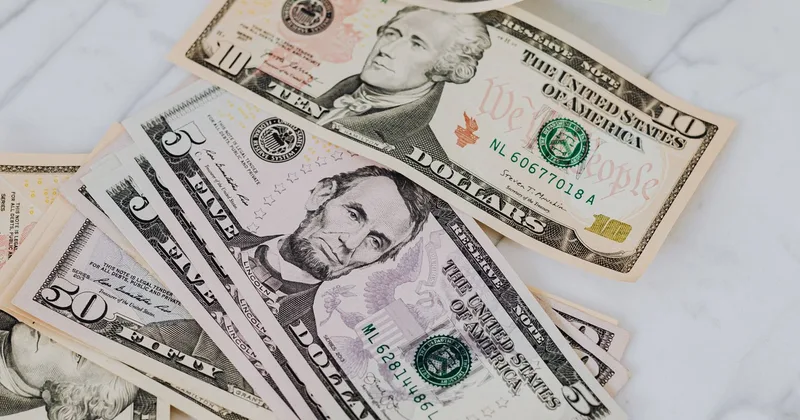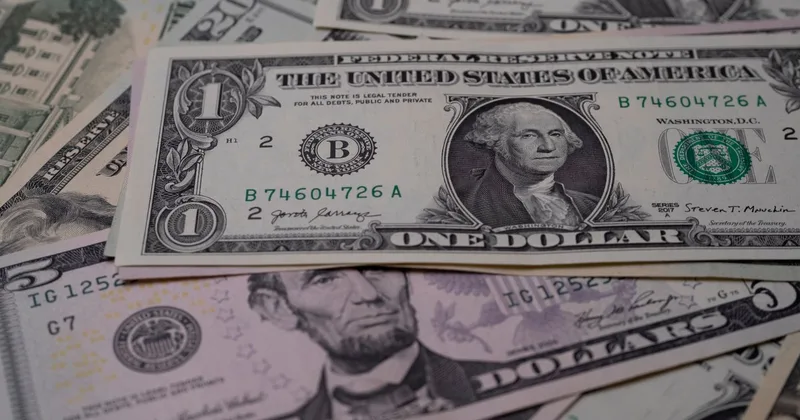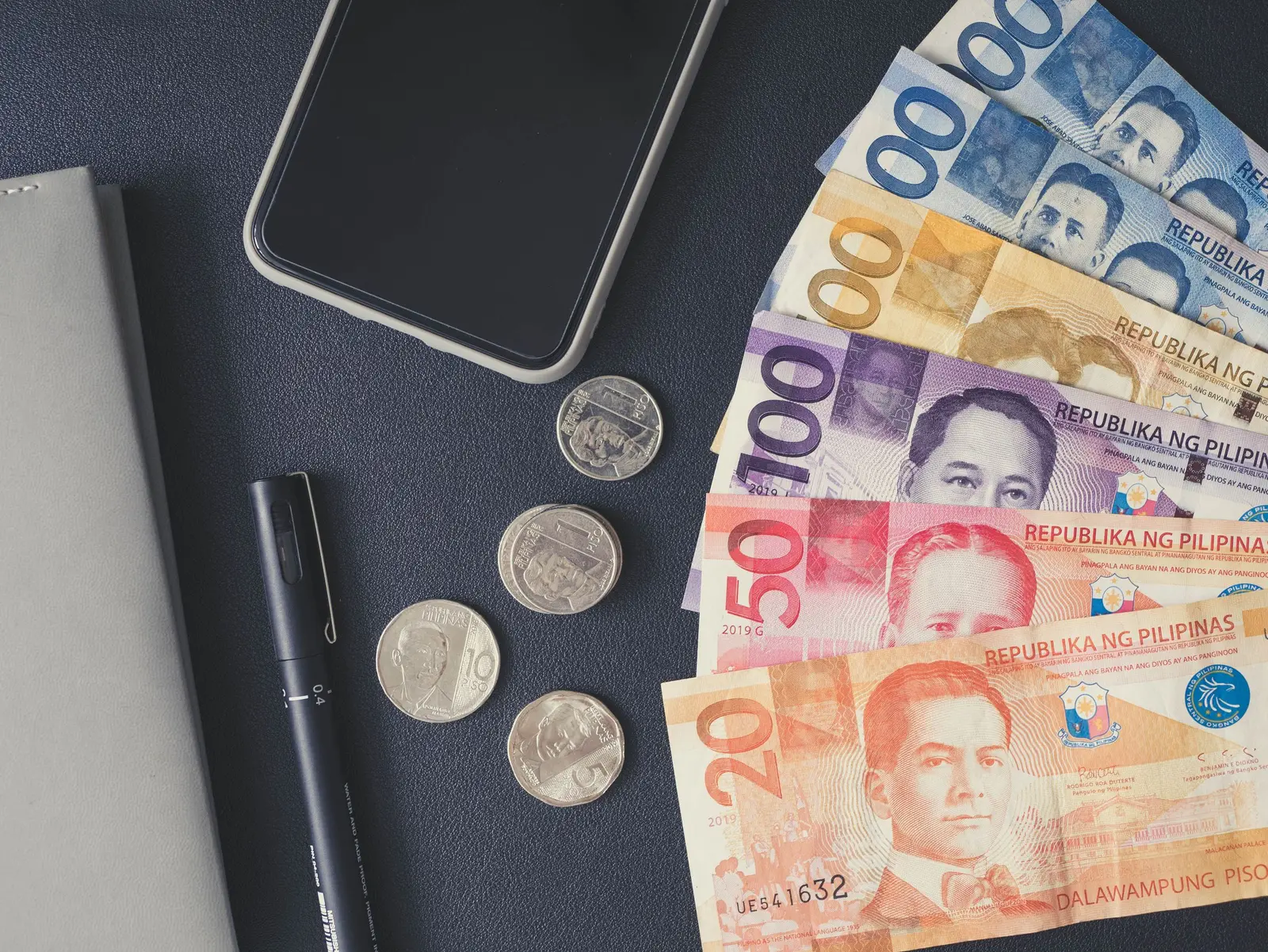
For most Filipino families, money flows one way: an OFW abroad sends pesos home, and the household in Cebu or Davao receives them. A relocation to Paraguay reverses that habit entirely. Suddenly you are the one pushing capital outward, funding a base far from home rather than topping up one back in the province. That reversal is the whole reason moving money from the Philippines to Paraguay needs its own playbook, separate from the remittance apps everyone already knows.
This guide covers the funds side only. The resident-versus-non-resident tax story that decides your Philippine liability lives in the Paraguay guide for Filipinos, so I will point there rather than repeat it. Here the focus is peso limits, foreign-exchange rules, and holding value while you build something abroad.
Why Filipinos Moving to Paraguay Flip the Remittance Direction
Remittance infrastructure in the Philippines is built for inbound flows. Cash pickup, e-wallets, and padala-based apps all optimize for money arriving from Riyadh, Hong Kong, or California. Sending a large lump sum the other way, to seed a life in Asunción, uses different rails and hits rules most people never encounter while receiving.
The mental shift matters. You are no longer moving spending money for relatives; you are moving capital you intend to hold and live on for years. That changes which channel you pick, how much documentation you keep, and why converting to a harder-holding currency early tends to beat scrambling later.
Moving Pesos Abroad: the BSP PHP 50,000 Limit
The Bangko Sentral ng Pilipinas (BSP) governs how pesos and foreign currency cross the border. For physical Philippine pesos, an individual may freely carry in or out up to PHP 50,000. Anything above that requires prior written BSP authorization plus a Currency Declaration Form at the airport.
This limit catches people off guard because it is low relative to a relocation budget. Treat it as a snapshot, not a fixed law, and confirm the current figure with the BSP or your bank before travel. The practical takeaway: do not plan to physically haul your savings out as peso cash. The sensible moves happen through banks and licensed channels, not a suitcase.
Buying Foreign Currency When Moving Money from the Philippines
Since you rarely want to hold pesos abroad anyway, the real question is buying foreign currency, usually US dollars, before or during the move. BSP rules set individual thresholds by channel. From FX dealers and money changers, an individual can buy up to USD 10,000, capped around USD 50,000 per month, using just the prescribed BSP application form.
Banks give more headroom. Authorized agent banks (AABs) can sell an individual up to USD 500,000 with only the application form; above that, supporting documents establishing the purpose are required. These figures shift, so verify current limits with your bank. For most Filipinos funding a Paraguay move, staying inside the bank threshold with clean paperwork is comfortably enough.
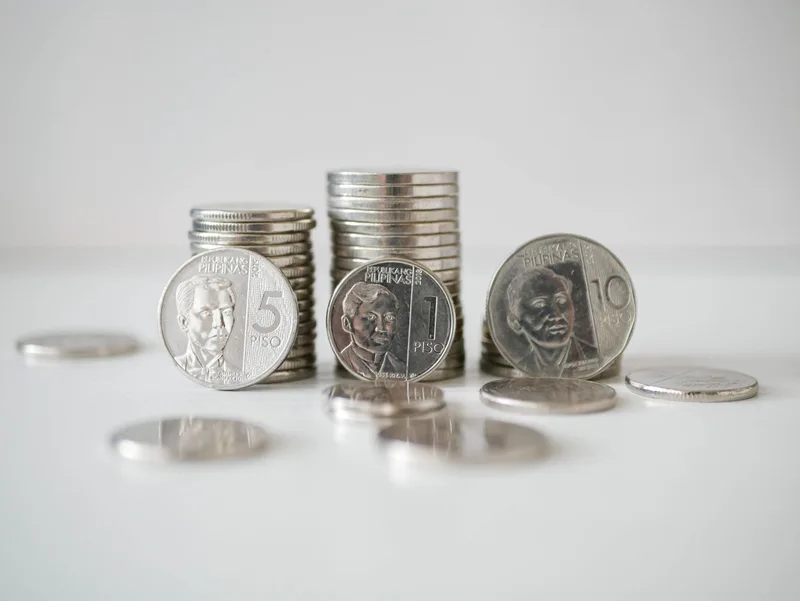
Holding USD to Protect Value While Moving Money Abroad
The peso is relatively stable compared with some emerging-market currencies, but "relatively" still leaves room for slippage over the years a relocation takes. Converting a portion of your funds to USD gives you a harder store of value, and Paraguay's economy is comfortable with dollars, so USD holdings translate cleanly once you arrive.
A dollar account, whether at a Philippine bank, an international provider like Wise, or a US LLC banking setup, lets you accumulate value gradually rather than converting one large peso sum at a single day's rate. Spreading conversions across weeks smooths out timing risk. Think of USD here as the bridge currency between a Philippine life and a Paraguayan one.
Not sure when the money needs to be in place? Tell us when you plan to move and we will explain how long the residency and cédula steps usually take; which channel suits your amount is a question for your bank or a licensed financial adviser. Get in touch
Getting Money into Paraguay: Residency-First Banking
Here is the constraint that surprises movers. Opening a local Paraguayan bank account generally requires residency first, or at least a cédula in progress, so you usually cannot wire funds into a Paraguayan account on day one. Until that account exists, your USD typically sits in the foreign or international account you funded before leaving.
That is fine, and often preferable. Many people live off an international USD account for the first months, then move funds locally once banking is set up. The mechanics of opening an account on the Paraguayan side, and what documents the bank asks for, are covered in the guide to opening a bank account in Paraguay. Sequence the account after residency, not before.
The OFW and Non-Resident Filipino Angle
Overseas Filipinos are often treated as non-resident citizens, though not by a simple one-year clock: the tax code looks at intent to reside abroad, leaving as an immigrant or for permanent work, or, for overseas workers, being abroad most of the taxable year. Many keep a peso account back home. If you are an OFW, you already understand cross-border money movement, just in the receiving direction. The habits transfer; the direction and the documentation change.
One point worth flagging for OFWs: non-resident status is what unlocks the Philippine tax side, but it does not alter the BSP mechanics of moving funds out. The FX limits above apply regardless of your tax status. Keep the two questions separate, and lean on the Filipino tax guide for the residency-status half of the picture.
Keeping a Clean Paper Trail When Moving Money
Documentation is the quiet part that saves you later. On the Philippine side, keep the BSP application forms, proof you stayed within limits, and bank records of any conversions. On the Paraguayan side, banks and advisers eventually ask about origin of funds, and a tidy trail answers that in one conversation instead of several.
For larger amounts, a bank channel with the supporting documents the BSP asks for is the clean route, and each transfer should be documented. This is not about hiding anything; it is the opposite. A relocation that can show exactly where its money came from is a relocation that holds up to any bank's anti-money-laundering review without friction.
How Moving Money Connects to Paraguay's 0% Tax
Moving funds and earning tax-free are separate steps that people often blur together. Transferring your savings into Paraguay does not, by itself, make anything tax-free. What creates the 0% is genuine tax residency, which is governed by Paraguayan law (Ley 6380/2019) and clarified case by case by a contador, plus income whose source really lies outside the country. Clean structuring helps, but it cannot make work you do from Paraguay foreign; that kind of income can be Paraguayan-source.
Once you are a bona fide Paraguay tax resident, foreign-source income sits under the territorial system at 0%, as of 2026. The savings you moved are simply capital you already own; the ongoing income is where the territorial rule does its work. The territorial 0% tax guide explains what qualifies as foreign-source, and the economic substance guide covers making residency defensible.
A quick note for dual citizens: if you hold US citizenship or a green card alongside your Philippine passport, the US taxes you on worldwide income no matter where you live, so none of the above delivers a clean 0%. Read the US citizens and Paraguay taxes guide first.
Building a Sensible Money-Moving Timeline to Paraguay
Rushing conversions under a deadline is how people accept a poor rate. A calmer approach funds a USD holding account well ahead, converts pesos in tranches, and keeps documentation as you go. Remote earners planning the lifestyle side will find the digital nomad guide to Paraguay useful for what daily spending looks like once you land.
None of this substitutes for confirming figures directly. BSP thresholds, bank documentation demands, and provider availability all change, and they turn on your specific circumstances. Build the plan with that assumption baked in, not treated as an edge case.
Frequently Asked Questions About Moving Money from the Philippines to Paraguay
How much peso cash can I take out of the Philippines?
An individual may freely carry up to PHP 50,000 across the border. Amounts above that need prior written BSP authorization and a Currency Declaration Form. Confirm the current threshold with the Bangko Sentral ng Pilipinas before travel, since these limits are periodically revised.
What is the best way to move money from the Philippines to Paraguay?
There is no single best channel; it depends on amount and timing. Most people buy USD through a bank under BSP rules, hold it in an international or dollar account, then move funds into Paraguay once residency-based banking is open. Documentation matters more than speed.
How much foreign currency can a Filipino buy to move money abroad?
From FX dealers or money changers, an individual can buy up to USD 10,000, capped near USD 50,000 monthly, with the BSP form. Authorized banks can sell up to USD 500,000 on the form alone; larger amounts need supporting documents. Verify current figures with your bank.
Can I open a Paraguayan bank account before moving my money?
Usually not. Paraguayan banks generally require residency, or a cédula in progress, before opening an account. Until then your funds typically stay in an international or USD account you set up beforehand. The open-bank-account guide walks through the Paraguayan side once residency is underway.
Do OFWs face different rules when moving money to Paraguay?
The BSP foreign-exchange limits apply regardless of OFW or non-resident status, so moving funds works the same mechanically. What differs for OFWs is the Philippine tax side, where non-resident citizen status changes your liability. That distinction is covered in the dedicated Filipino tax guide.
Does moving money to Paraguay make my income tax-free?
No. Transferring savings does not create the 0%. Genuine Paraguay tax residency does, applying the territorial system to foreign-source income as of 2026. Your moved savings are simply existing capital; the tax treatment concerns ongoing foreign income once you are a bona fide resident.
Why convert Philippine pesos to USD when moving to Paraguay?
Holding USD gives you a harder store of value across the years a relocation spans, and Paraguay's economy handles dollars comfortably. Converting gradually into an international dollar account, rather than one lump-sum exchange, also smooths out timing risk on the peso-to-dollar rate.
Want to see the numbers for your own move? Look at how the residency packages are priced and where the funding steps fit a Filipino timeline. View the packages and pricing
Legal basis and disclaimer: This article is general information, not individual tax, exchange-control, or financial advice, and rules change. The Philippines' foreign-exchange rules are set by the Bangko Sentral ng Pilipinas (BSP), and Paraguay's 0% territorial treatment by the Dirección Nacional de Ingresos Tributarios (DNIT). Confirm current limits with the relevant authority or a qualified adviser before you move funds. Verify the Paraguayan half against PwC's country summary.

About the author
Yannick Schroth
Founder · Paraguay relocation support
Spends regular time in Paraguay and, with his team on the ground in Asunción, guides international nomads, entrepreneurs and investors through residency, the cédula and the RUC paperwork.
Note: this article reflects the position at the time of publication. Laws, prices and deadlines can change, so individual details may since be out of date. Check the current rules before you act on them: we answer questions about residency and our services, while the tax treatment of your own case belongs with a qualified tax adviser.