A friend flew in expecting a checklist of famous sights and left three days later a little confused, because Paraguay does not hand you a skyline postcard or a queue outside a wonder of the world. What it hands you instead, once you slow down, is a river city that keeps its own hours, colonial ruins almost no tour bus reaches, one of the great waterfalls of the planet an easy trip away, and a wilderness most travelers never set foot in.
After many stays here, I have stopped selling Paraguay as a highlight reel. The best things to do in Paraguay reward the resident and the long stay visitor far more than the weekend tourist, and that is exactly the point.
What Things to Do in Paraguay Actually Look Like
Set your expectations before you set your itinerary. Paraguay has fewer mass-tourism sights than Argentina, Brazil, or Peru, and as of 2026 that is unlikely to change soon. The reward is a country you experience at walking pace rather than through a camera: long lunches, riverside sunsets, market mornings, and short trips out of the capital. Treat it as slow living with a few genuine standouts, not a race between landmarks.
That framing matters because it changes what a good week looks like. Instead of ticking off ten attractions, you pick two or three anchors and let the rest of the time fill with ordinary life. Asunción is the cultural hub and your natural base. From there the map opens up gradually, and the things to do in Paraguay start to feel less like sightseeing and more like belonging.
Things to Do in Asunción: The Historic Center and Costanera
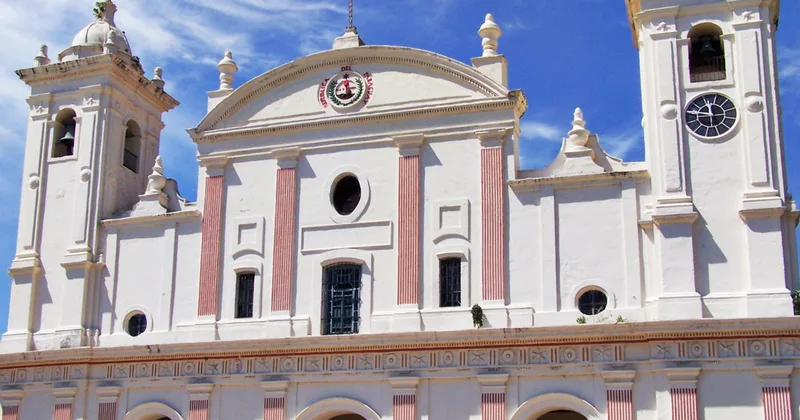
Asunción is where most residents start, and its historic center is the obvious first walk. The old town near the river holds the government palace, the Panteón Nacional de los Héroes, the cathedral, and a run of faded belle-époque facades that hint at the wealth the city once had. It is compact, walkable in a morning, and best seen early before the heat settles in. Bring water, wear light clothes, and expect grandeur and decay side by side rather than a polished tourist quarter.
The Costanera, the riverside avenue along the Río Paraguay, is the counterweight. Locals come here to walk, run, and drink tereré as the sun drops over the water, and on weekends it turns into an easy, social stroll with food carts and street musicians. Between the historic center and the Costanera you have a full, unhurried day. If you are still deciding where to base yourself for all of this, the guide to the best neighborhoods in Asunción breaks down which areas put you closest to the action.
Museums, Food, and Nightlife in Asunción
Asunción is the cultural hub of the country, and its museums are small but worth an afternoon. The Museo del Barro is the standout, with an excellent collection of indigenous, folk, and contemporary art that tells you more about Paraguay than any monument. Smaller house-museums and the odd gallery round out a rainy-day plan. None of them demand a full day, so pair one with lunch and a coffee and you have the shape of a good, slow Asunción afternoon.
Food and nightlife are where the city quietly excels. Traditional dishes like sopa paraguaya, chipa, and a proper asado sit alongside a genuinely good modern restaurant scene in the Villa Morra and Carmelitas districts, where specialty cafés, craft beer, and rooftop bars have multiplied over the past few years. Nights start late and stay relaxed. To read the social codes behind all of it, from tereré etiquette to how invitations work, the piece on Paraguayan culture and customs is the companion to this one.
Encarnación and the Jesuit Ruins: A UNESCO Highlight
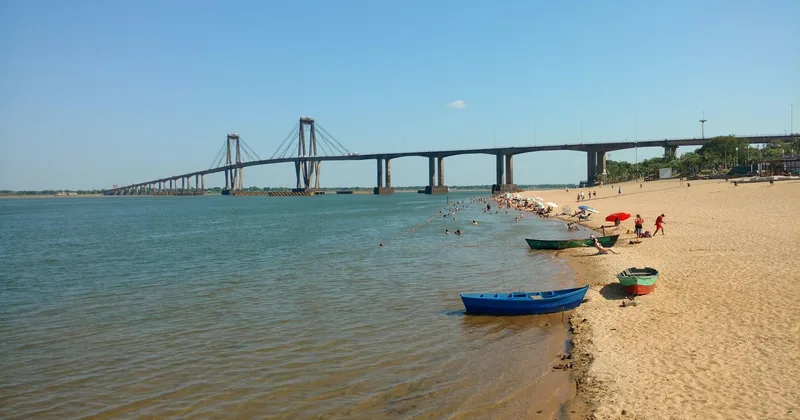
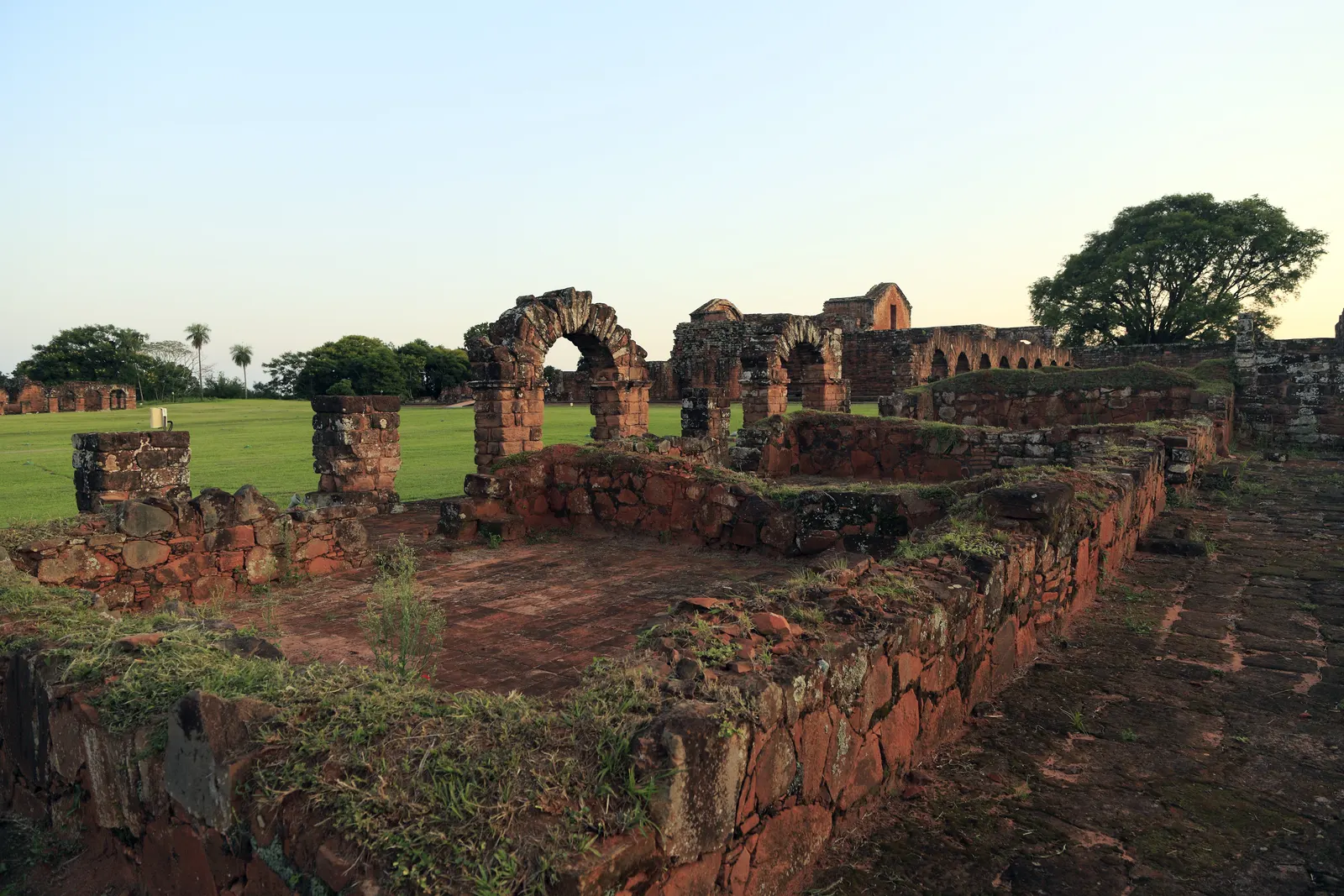
Roughly six hours south of the capital sits Encarnación, a bright, orderly city on the Paraná River with a summer beach promenade that has earned it the nickname "the pearl of the south." It is pleasant in its own right, but the real draw is nearby. The Jesuit Missions of La Santísima Trinidad de Paraná and Jesús de Tavarangue, typically just called Trinidad and Jesús, are a UNESCO World Heritage Site as of 2026 and the most significant historic monument in the country.
Trinidad is the larger and better preserved of the two, a vast red-stone complex of church, plaza, and living quarters left by the 18th-century Jesuit reductions. Go in the late afternoon and, when it operates, stay for the evening light-and-sound visit, which is genuinely atmospheric. These ruins are the closest thing Paraguay has to a blockbuster sight, and because so few tourists make the trip, you often have the ruins nearly to yourself. Budget a weekend from Asunción rather than a rushed day, since Encarnación itself rewards an overnight stay.
Visiting the Iguazú Falls via the Tri-Border
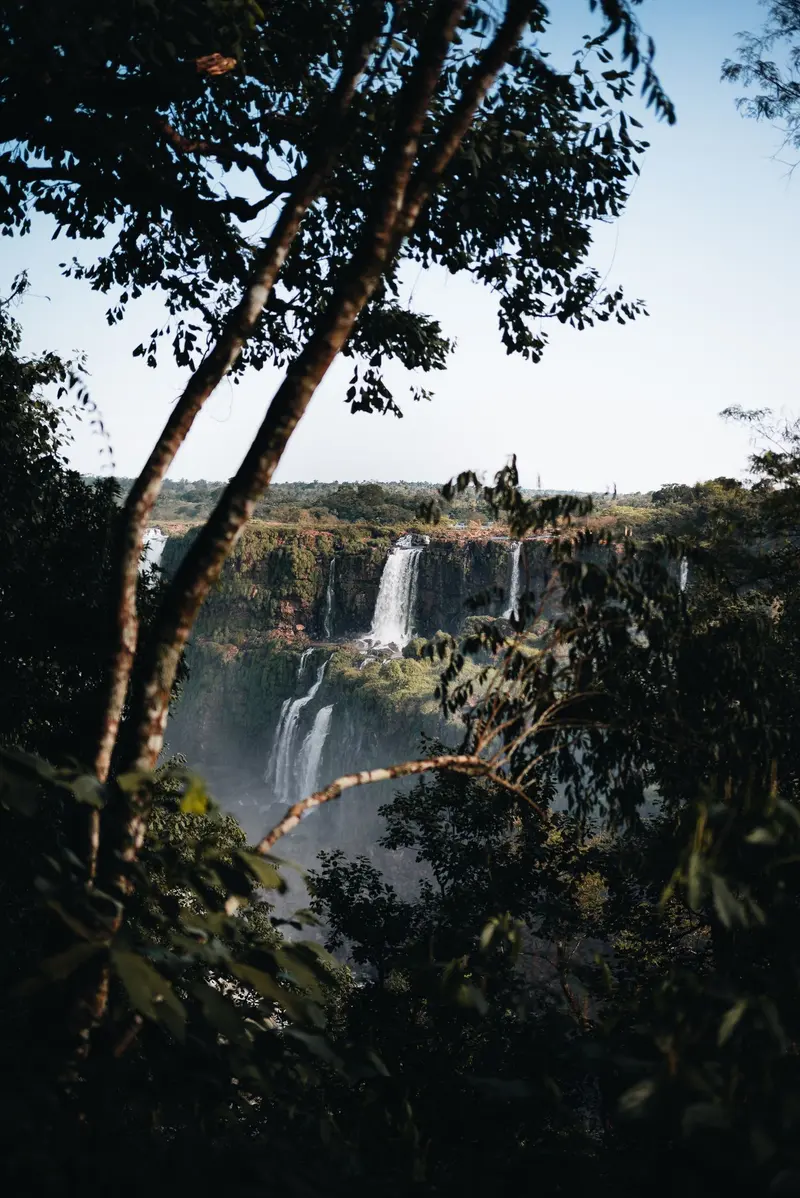
The single most spectacular thing to do near Paraguay is not technically in Paraguay at all, and that is fine. Ciudad del Este, at the eastern edge of the country, sits on the tri-border where Paraguay, Argentina, and Brazil meet, and from there the Iguazú Falls are reachable as a day or weekend trip across the frontier. The falls straddle the Argentine and Brazilian sides, and both are extraordinary; the Brazilian side gives the sweeping panorama, the Argentine side puts you on walkways almost inside the water.
From Asunción, most residents treat this as a long weekend: a flight or a bus to Ciudad del Este, a night or two, the Itaipú Dam on the Paraguayan side, and a border crossing to the falls. Carry your passport, check current entry rules for each country before you go, and confirm which crossings are open, since tri-border logistics shift. It is the one trip I tell every newcomer to prioritize, because nothing else in the region comes close for sheer scale.
Arranging residency for your first months here? A short intro call explains how our packages handle the residency appointments in Paraguay. Get in touch.
Nature and the Chaco: Paraguay's Wild Frontier
For nature on a grand scale, Paraguay's west delivers in a way its cities do not. The Chaco is a vast, remote wilderness covering the western half of the country, thinly populated, hot, and genuinely wild. It is home to jaguars, tapirs, armadillos, and huge numbers of birds, along with the Mennonite colonies around Filadelfia that make an unlikely and fascinating stop. This is expedition territory rather than a casual outing: distances are long, infrastructure is thin, and you want a guide, a sturdy vehicle, and time.
Closer and gentler options exist for residents who want green without the commitment. The wetlands and lagoons of the east, the Ñeembucú region, and the various national parks offer birdwatching, fishing, and slow river days. If your idea of things to do in Paraguay involves a hammock, a fishing line, and no phone signal, the country obliges more easily than most. Just plan the Chaco specifically; it is not a spontaneous afternoon.
Small-Town Day Trips in Paraguay: Areguá and Ybycuí
Some of the most rewarding things to do in Paraguay are the small-town day trips within an hour or two of Asunción. Areguá, on the shore of Lake Ypacaraí, is the easy favorite: a cobblestone hill town known for its ceramics workshops, strawberry season, and a growing cluster of cafés and galleries that draw weekenders out of the capital. It makes a relaxed half-day, longer if you linger by the lake.
Ybycuí pairs a pretty national park with waterfalls and the ruins of a historic 19th-century ironworks, a couple of hours south and a proper nature escape. Add San Bernardino, the old German-founded resort town across the lake from Areguá, and the craft towns of the Circuito de Oro like Yaguarón and Piribebuy, and you have weeks of easy outings. None of these are grand, and that is their charm; they are how residents actually spend their weekends here.
Festivals and Cultural Events in Paraguay Worth Planning Around
The Paraguayan calendar rewards anyone who plans a few trips around it. Carnival in Encarnación is the biggest and brightest, typically in February, with parades, samba-influenced troupes, and a genuine party atmosphere that outshines anything in the capital. It is worth timing a southern trip to catch it. Semana Santa, the Easter week, is quieter and more traditional, built around chipa baking and family gatherings rather than spectacle.
Religious festivals anchor much of the rest. The pilgrimage to the Basilica of Caacupé every December 8th draws hundreds of thousands of people and is the single largest event in the country. Smaller patron-saint festivals, folk-music nights, and the polka and guarania traditions surface all year in towns around the capital. Keep an eye on local listings once you arrive, because the best cultural events in Paraguay are rarely advertised far in advance, and word of mouth is half the fun.
Weekend Getaways to Paraguay's Neighboring Countries
One underrated advantage of basing yourself here is how close the rest of the region sits. Weekend getaways to Paraguay's neighboring countries are simple: Buenos Aires and the vineyards around Mendoza in Argentina, the beaches of southern Brazil, and the whole of the tri-border are all within a short flight or a long bus ride. Many residents treat Argentina in particular as an extension of their map, popping across for a city break or a shopping weekend when the exchange rate favors it.
This regional access changes how you weigh Paraguay itself. You do not need the country to supply every kind of trip, because the neighbors fill the gaps: mountains, ocean, big-city culture, and famous vineyards are all a weekend away. Living here works best as a calm home base with the continent on your doorstep, which is a very different proposition from treating Paraguay as a standalone tourist destination.
Planning Your Things to Do in Paraguay Around Slow Living
Pulling it together, the honest pitch is this: Paraguay is more about slow living than blockbuster tourism, and the people who love it are the ones who wanted that all along. Your best weeks will mix a couple of real anchors, Asunción's historic center, the Jesuit ruins, an Iguazú trip, with a steady rhythm of markets, riverside evenings, small-town outings, and long lunches. The country does not overwhelm you with must-sees, and that space is the feature, not the bug.
Practically, that means you can settle first and explore gradually rather than front-loading a tourist sprint. New arrivals often ask what to prioritize in the early weeks; the guide to your first 30 days in Paraguay covers the setup so the fun trips slot in after. And because everyone asks about wandering the historic center after dark or taking a bus south, the practical read on whether Paraguay is safe is worth having before your first solo outing. Plan light, stay curious, and let the country set the pace.
Ready to make Paraguay your base for all of this? Three residency packages, Light, Standard, and Premium, take you as far as the cédula with progressively more of the legwork handled for you, and each shows its price openly. View pricing.
Frequently Asked Questions About Things to Do in Paraguay
What are the top things to do in Paraguay for a first visit?
For a first visit, anchor on three things: Asunción's historic center and Costanera, the Jesuit ruins at Trinidad near Encarnación, and a trip to the Iguazú Falls via the tri-border. Fill the rest with small-town day trips and slow riverside evenings rather than a rushed sightseeing sprint.
Are the Jesuit ruins in Paraguay worth visiting?
Yes. The Jesuit Missions of Trinidad and Jesús near Encarnación are a UNESCO World Heritage Site as of 2026 and the most significant historic sight in Paraguay. Trinidad is the better preserved, atmospheric in late-afternoon light, and because few tourists make the trip, you often have the ruins nearly to yourself.
Can you visit the Iguazú Falls from Paraguay?
You can. The Iguazú Falls are reachable via the tri-border near Ciudad del Este, where Paraguay, Argentina, and Brazil meet. The falls themselves sit on the Argentine and Brazilian sides, so plan it as a weekend, carry your passport, and check current entry rules for each country before you cross.
What is there to do in Asunción, Paraguay?
Asunción is the cultural hub, so start with the historic center, the Panteón de los Héroes, and the riverside Costanera. Add the Museo del Barro, a traditional asado, and the café and nightlife scene in Villa Morra and Carmelitas. It is a walkable, unhurried city best explored at a slow pace.
Is the Chaco in Paraguay worth exploring?
The Chaco is a vast, remote wilderness covering western Paraguay, rich in wildlife like jaguars and tapirs and home to the Mennonite colonies around Filadelfia. It is genuine expedition territory, not a casual day trip, so budget time, a guide, and a sturdy vehicle. For adventurous residents, it is one of the country's great experiences.
Does Paraguay have good festivals to plan around?
Yes. Carnival in Encarnación each February is the brightest, and the December pilgrimage to Caacupé is the largest gathering in the country. Semana Santa, patron-saint festivals, and folk-music nights fill the rest of the year. The best cultural events in Paraguay are rarely advertised far ahead, so watch local listings once you arrive.
What are the best day trips from Asunción?
Areguá on Lake Ypacaraí, with its ceramics and cafés, is the easy favorite, alongside San Bernardino across the lake. Ybycuí pairs a national park with waterfalls a couple of hours south, and the Circuito de Oro craft towns like Yaguarón round out weeks of relaxed outings within two hours of the capital.
Is Paraguay a good place for tourists?
Paraguay suits slow travelers and residents more than checklist tourists. It has fewer mass-tourism sights than its neighbors, which means smaller crowds and a more authentic pace. The payoff is genuine local life, easy weekend getaways to neighboring countries, and standout trips like the Jesuit ruins and Iguazú without the queues.
Disclaimer: This article is general information. Opening hours, tours, and prices in Paraguay change often. Check current details before you plan a trip.

About the author
Yannick Schroth
Founder · Paraguay relocation support
Spends regular time in Paraguay and, with his team on the ground in Asunción, guides international nomads, entrepreneurs and investors through residency, the cédula and the RUC paperwork.
Note: this article reflects the position at the time of publication. Laws, prices and deadlines can change, so individual details may since be out of date. Check the current rules before you act on them: we answer questions about residency and our services, while the tax treatment of your own case belongs with a qualified tax adviser.