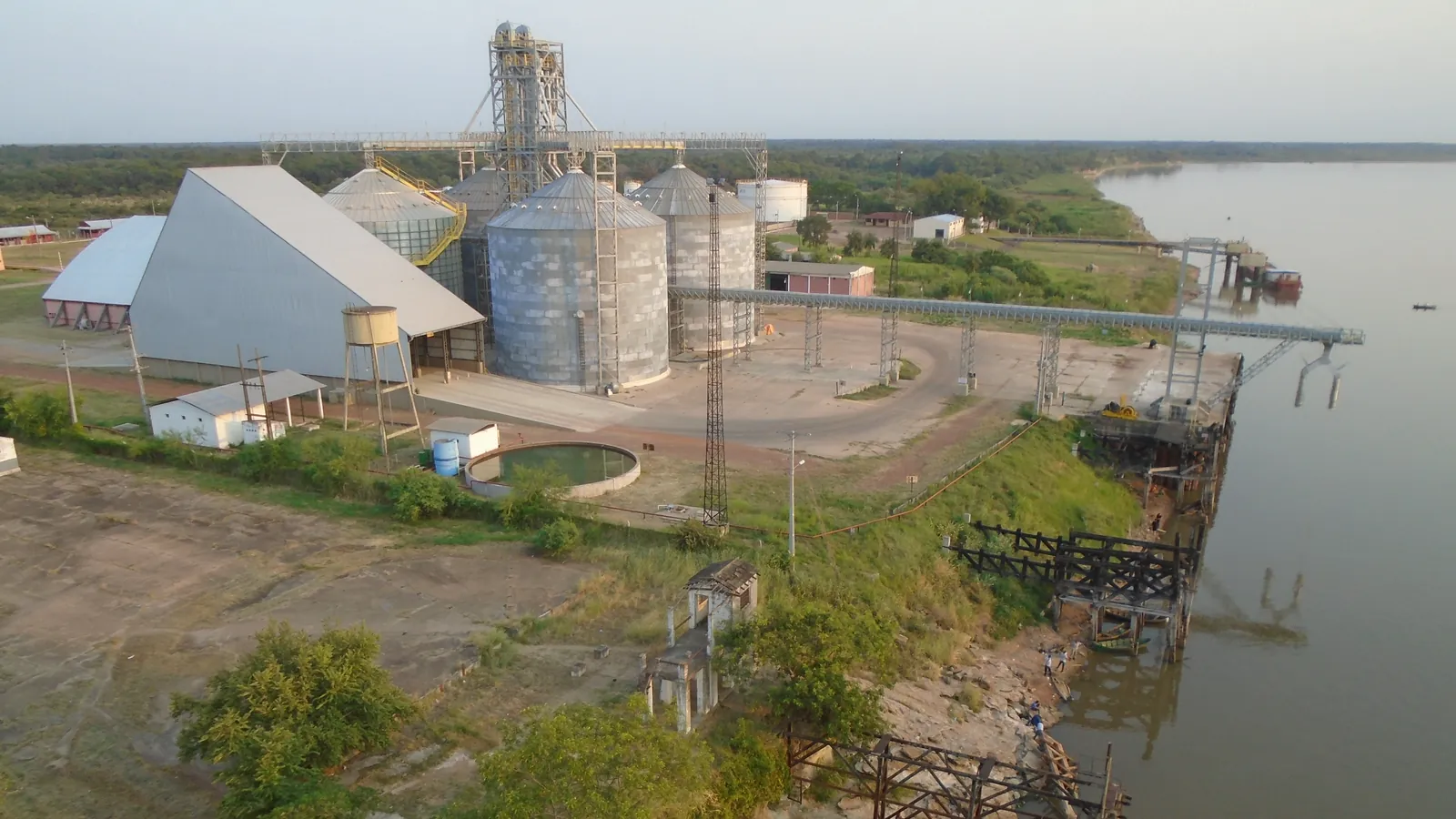
Paraguay's foreign trade hit a record in the first half of 2026. According to central-bank figures reported in mid-July, the country closed the January-to-June period with a trade surplus of roughly US$746.6 million, as exports climbed 23.6% year on year to about US$10,162.8 million. For anyone weighing Paraguay as a base, the headline is a clear stability signal, and it carries one important caveat about tax.

What the H1 2026 Trade Figures Show
The record rests on a wide gap between what Paraguay sold and what it bought. Exports reached about US$10,162.8 million in the first six months, up 23.6% on the same period last year, while imports came in near US$9,416.2 million. The difference left a surplus of roughly US$746.6 million, a sizeable swing for an economy this size. The maquila sector, Paraguay's export-oriented contract manufacturing along the Brazilian border, added around US$717 million on its own, up some 25%.
Treat each figure as provisional and check a current release from the Banco Central del Paraguay (BCP) before relying on it, because half-year trade data is routinely revised. The direction, though, is not in question: more value left the country than entered it, by a comfortable margin.
What Is Driving the Surge
The gains are concentrated in a few sectors. Soybeans and soybean oil, long the backbone of Paraguayan exports, led the increase, alongside a strong showing from beverages. Trade with markets beyond the region deepened too: shipments to the European Union were reported up around 27%, though that figure comes from press coverage rather than a published BCP table.
The mix is familiar for Paraguay: an agricultural core, a growing manufacturing fringe, and cheap hydropower underneath both. What changed in the first half of 2026 is the scale, with volumes and prices lining up in the country's favor at the same time.
Why It Matters Beyond the Statistics
The trade record does not stand alone. It sits alongside investment-grade credit ratings, growth among the fastest in South America, and a government actively courting foreign capital, from the Paraguay Business Week investment fair to large AI data-center plans. A strong external balance tends to support the currency and public finances, which is part of the backdrop many people weigh when they consider a move.
What It Means for Expats and Investors
For private individuals the numbers are context, not a personal windfall. A firmer trade position points to a steadier macro backdrop, which matters if you are moving savings or a business here. The investment angle is more direct: agriculture, logistics around hubs like Ciudad del Este, and manufacturing all sit behind these figures, and our overview of investing in Paraguay walks through the entry routes.
On tax, be precise. A record trade surplus does not change how you are taxed. Paraguay's territorial system still leaves genuinely foreign-source income at 0%, and your position turns on real tax residency, not on the trade balance. US citizens and green-card holders remain taxed on their worldwide income regardless of residency, so take US-qualified advice if that applies to you.
Frequently Asked Questions
How big was Paraguay's trade surplus in the first half of 2026?
Around US$746.6 million, per BCP figures reported in mid-July 2026. Exports rose 23.6% year on year to roughly US$10,162.8 million, against imports near US$9,416.2 million. Half-year data can be revised, so confirm the latest official release before quoting a precise number.
Does the trade boom change Paraguay's 0% tax?
No. Foreign-trade statistics track goods crossing borders, not personal income tax. Paraguay's territorial system continues to tax foreign-source income at 0% in principle, and what decides your position is genuine tax residency. US persons remain taxed by the IRS on worldwide income no matter where they live.
What is driving Paraguay's export growth?
Mainly soybeans and soybean oil, with a strong contribution from beverages and the maquila manufacturing sector, up around 25% to about US$717 million. Shipments to the European Union were reported up roughly 27% in the period.
Disclaimer: This article is general information, not legal, tax or investment advice. Trade figures are as reported and can be revised, and tax treatment depends on your situation. Confirm current data with the Banco Central del Paraguay and take qualified advice before you act.
Sources
- ▹Banco Central del Paraguay: external-sector and trade statistics
- ▹ABC Color: economy coverage (Paraguay foreign trade, July 2026)
Weighing Paraguay for your business or base? An intro call sets out residency, documents and timing, and points you to the partner accountants and lawyers who handle the tax and corporate side. Get in touch.

About the author
Yannick Schroth
Founder · Paraguay relocation support
Spends regular time in Paraguay and, with his team on the ground in Asunción, guides international nomads, entrepreneurs and investors through residency, the cédula and the RUC paperwork.