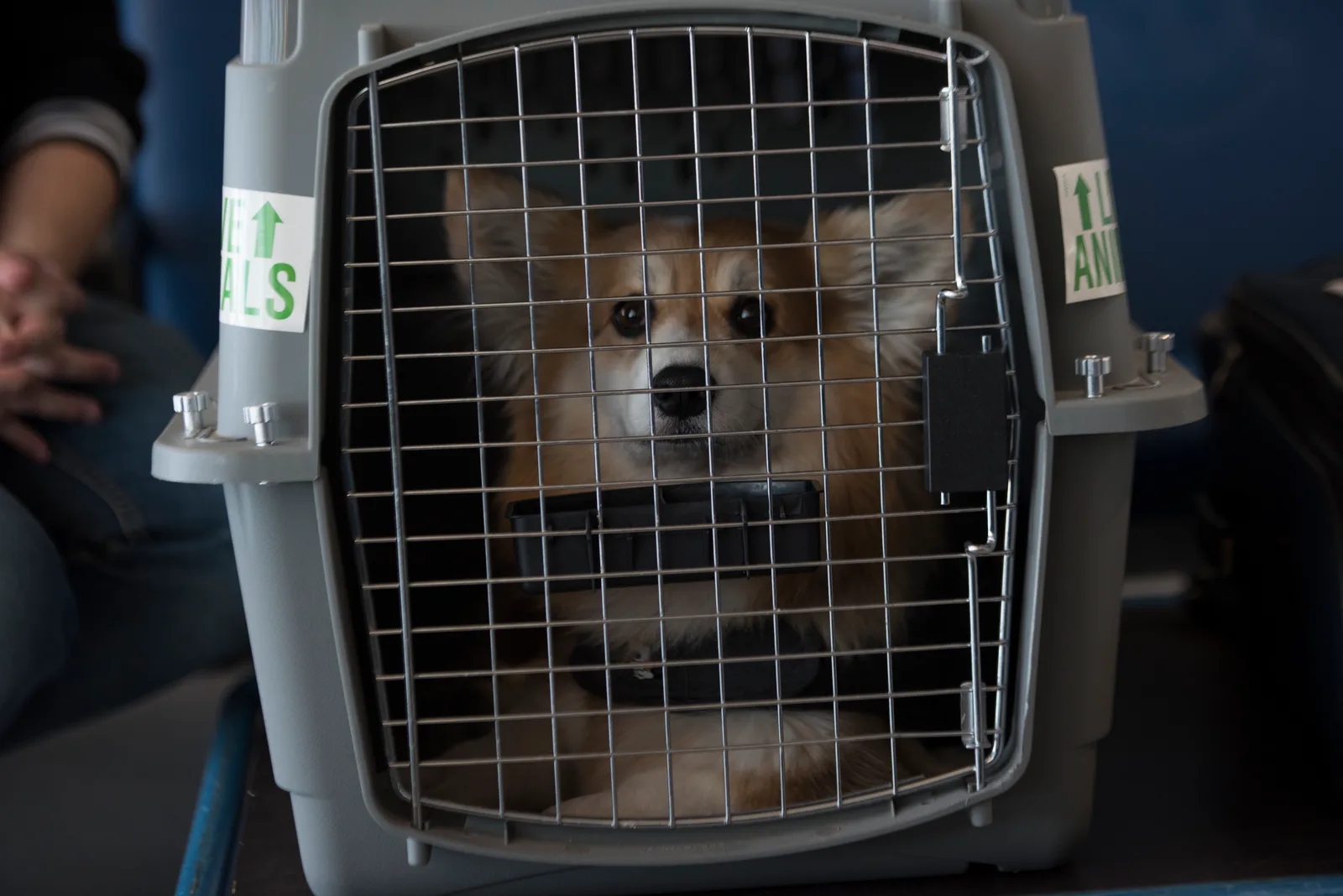
You have decided the dog or the cat comes with you, and now the move stops being an emotional question and becomes a paperwork one: which vaccines, which certificate, which authority stamps it, and whether your animal has to sit out weeks in quarantine on arrival. The good news, and the reason to relax a little, is that bringing pets to Paraguay is a well-trodden path for a healthy, vaccinated animal with the right documents in order.
Animals arrive here in every shape, from a nervous rescue mutt to an elderly house cat, and the process is far more forgiving than the horror stories suggest. What follows is the working sequence, timed and ordered so nothing trips you up at the counter.
What Bringing Pets to Paraguay Actually Involves in 2026
Bringing pets to Paraguay generally means arriving with a healthy cat or dog whose vaccinations are current, whose rabies shot is documented, and who carries an international veterinary certificate issued or endorsed by the official veterinary authority in your origin country. No separate import permit exists for a pet dog or cat: an inspector from SENACSA, Paraguay's animal-health service, checks that certificate and the animal on arrival. Long-term quarantine is generally not imposed on compliant, healthy pets, though you should confirm the current rules before you book.
That is the whole shape of it, and everything below fills in the detail. The paperwork sits in two layers: your vet's records, and the government-endorsed certificate that is built on them. Get both right and the airport becomes a formality rather than an ordeal. The same discipline that makes a human relocation smooth applies here, and if you are mapping the wider move, our step-by-step guide to moving to Paraguay sets the pet logistics inside the full timeline.
Import Paperwork for Bringing Pets to Paraguay
The document phase is where a calm move and a stressful one diverge. As of 2026, the paperwork for bringing pets to Paraguay typically rests on a small stack: proof of an up-to-date rabies vaccination, a broader vaccination record, and an international veterinary certificate that your country's official veterinary authority issues or endorses no more than 60 days before you land. Nothing has to be applied for in Paraguay beforehand.
- ▹Vaccination record: a complete history showing core vaccines are current for your species.
- ▹Rabies certificate: documented proof of a valid rabies vaccination (see the next section).
- ▹Endorsed veterinary health certificate: issued by an accredited vet, then endorsed or stamped by the origin country's official veterinary body.
- ▹No import permit: for up to five dogs or cats, SENACSA requires none; the certificate is checked at the point of entry. Six or more animals count as a commercial shipment, and live-animal import rules then apply.
- ▹Microchip and identification: chipping is standard practice, and a chip, where used, must meet ISO 11784/11785 and be recorded on the certificate.
Because requirements shift and vary by origin country, treat any checklist, including this one, as a starting frame rather than gospel. Confirm the exact current set with an accredited vet and, where possible, the Paraguayan animal-health authority (SENACSA) before you commit to dates. The single most common cause of grief is a certificate issued too early, in the wrong format, or missing the government endorsement.
The Official Framework: MERCOSUR Resolution GMC 20/24
Behind the vague advice sits a document with actual numbers. MERCOSUR Resolution GMC No. 20/2024 sets the zoosanitary requirements for bringing domestic dogs and cats into member states, replacing the older Resolution 17/15. Knowing its deadlines is what turns "get the paperwork done early" into a schedule you can work backwards from.
The core windows, all counted against the date the international veterinary certificate (CVI) is issued:
- ▹Clinical examination: within 10 days. A vet registered in the country of departure certifies the animal shows no sign of infectious or parasitic disease and is fit to travel.
- ▹Deparasitization: within 15 days. Broad-spectrum treatment against internal and external parasites, documented with the product, active ingredient, laboratory and date, signed and stamped.
- ▹CVI validity: 60 days from issuance, provided the rabies vaccination stays current across the whole trip. The original travels with you, not in the hold, and the inspector at the border does not keep it.
- ▹Rabies: mandatory from 90 days of age. SENACSA counts a vaccination as valid for one year at most, so the shot should be no more than 12 months old on travel day.
Two timing traps deserve emphasis, because both are decided months before you fly. If this is your animal's first rabies vaccination, the resolution lets it travel only once 21 days have passed since the shot, so a last-minute jab does not merely risk rejection, it guarantees it. The same wait catches a lapsed booster, because an animal revaccinated only after its previous shot expired is treated as vaccinated for the first time.
At the other end of the age range, puppies and kittens under 90 days may enter without any rabies vaccine, provided the official certificate states their age and they have had no contact with urban rabies in the previous 90 days.
Two further points are easy to overlook. Where a microchip is used, it must meet ISO 11784/11785, and both its number and its position on the body go onto the certificate, so a transposed digit turns a compliant animal into a non-compliant one. And Paraguay may refuse entry to an animal previously diagnosed with leishmaniasis, which is worth raising with your vet early if you are traveling from a region where it is endemic.
One scoping note. Resolution 20/24 is a MERCOSUR instrument, but SENACSA points every international pet arrival to it, so the checklist above holds whether you fly in from São Paulo, Miami or London. What changes by route is who signs the certificate at home. The US animal-health service, USDA APHIS, lists Paraguay's requirements as unknown but strongly suggests a certificate from a USDA-accredited vet with APHIS endorsement, and that endorsement can be done digitally.
The Rabies Vaccine and Vaccination Records Your Pet Needs
Rabies sits at the center of nearly every pet import regime, and Paraguay is no exception. Your dog or cat should carry a valid rabies vaccination, typically administered and documented well before travel so it is unambiguously current on your travel date. The date that cannot slip is a first-ever rabies vaccination: it must be at least 21 days old on the day you fly, and anything more recent means refusal, so book it with a week or two of margin on top of those three weeks.
Beyond rabies, keep the broader vaccination record complete and legible. For dogs that generally means the core combination covering distemper, hepatitis, parvovirus, and related diseases; for cats, the standard feline core vaccines. The record should show dates, product names, and the vet's signature or clinic stamp. A tidy, professional vaccination booklet does more to smooth an inspection than any amount of explaining at the counter, and it doubles as the history your new vet in Asunción will want to see.
Getting the Veterinary Health Certificate Endorsed for Paraguay
The veterinary health certificate is the document that turns your vet's word into something an official will accept, and it has two parts: issuance and endorsement. First, an accredited veterinarian examines your pet close to the travel date and certifies it fit to fly and free of signs of contagious disease. Second, that certificate is endorsed, stamped, or countersigned by the competent veterinary authority in your origin country, which in many countries is the government agriculture or animal-health department.
Timing is the trap here, though the tight window belongs to the checks rather than the certificate. Under GMC 20/24 the clinical exam must take place within 10 days before the certificate is issued, and the certificate then stays valid for 60 days. Build a few working days of slack between exam and endorsement, because endorsement offices keep their own hours and do not rush for your flight. If your origin country routes endorsements through a central office, factor in postage or an in-person trip.
Those windows do not shift with your departure country, so give the calendar a dry run before booking anything.
Timing and Vet Steps Before You Travel to Paraguay
Sequencing the vet steps is what separates a two-week scramble from a relaxed departure. Work backwards from your flight date and the process orders itself: confirm the microchip and rabies status first because those have the longest lead times, then place deparasitization and the clinical exam in the short run-up to the certificate, then collect the official endorsement, making sure the flight falls inside the certificate's 60 days.
- ▹Months ahead: confirm the microchip, and make sure the rabies vaccination will still be under 12 months old on the day you fly, or that a first shot lands well over 21 days before the flight.
- ▹Weeks ahead: book the certificate appointment with your vet and find out how your country's veterinary authority endorses it; in the US, APHIS can do this digitally.
- ▹In the 15 days before the certificate: deparasitization, with the clinical exam inside the last 10 of those days.
- ▹Once the certificate is issued and endorsed: fly within its 60-day validity, keep the rabies vaccine current throughout, and put every original in a travel folder.
One first-hand lesson worth passing on: the animals that travel best are the ones whose owners rehearsed the logistics, not just the vaccines. A pet that has never seen its crate before the airport is a pet under maximum stress on the worst possible day. Introduce the equipment early and the journey itself becomes the easy part.
Choosing Airline Cabin vs Cargo When Bringing Pets to Paraguay
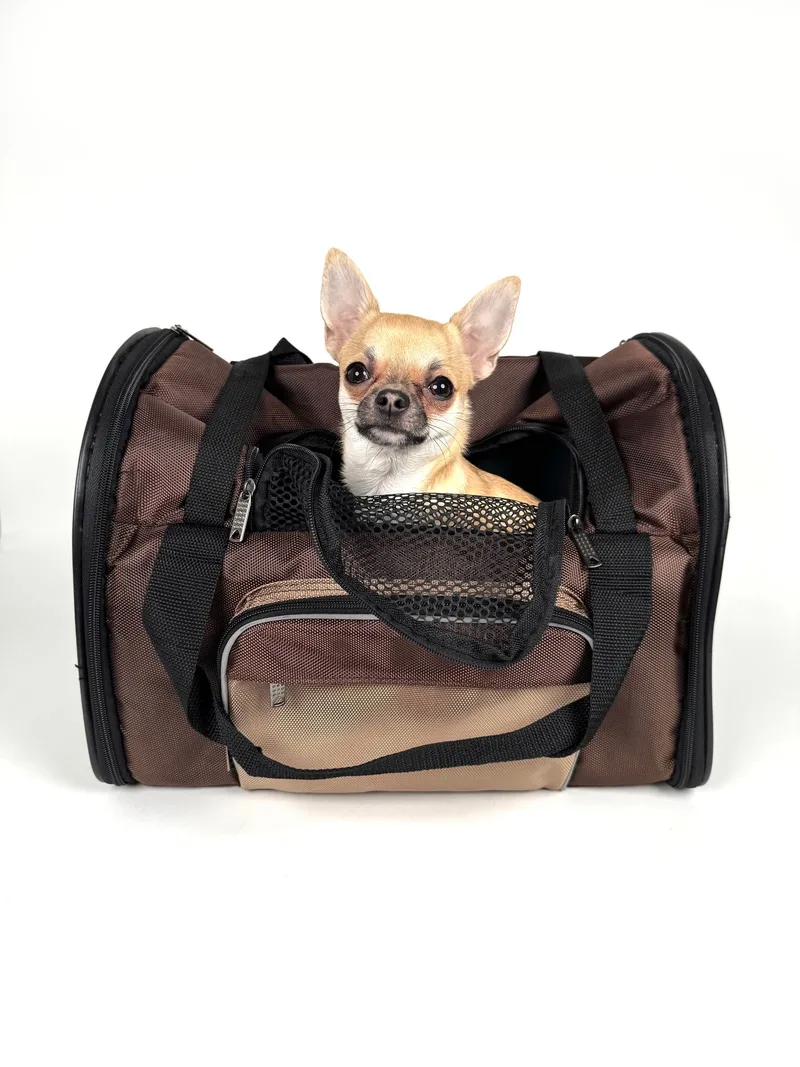
Once the paperwork is in motion, the biggest practical decision when bringing pets to Paraguay is how the animal actually flies: in the cabin with you or as manifested cargo in the temperature-controlled hold. Small dogs and cats under an airline's weight-and-size limit can often travel in the cabin in an approved under-seat carrier. Larger dogs travel as cargo, in a rigid crate loaded into the pressurized, climate-controlled section of the hold.
Neither option is inherently cruel, and millions of pets fly safely each year, but the choice shapes everything from crate type to cost. Cabin travel is calmer for the animal and lets you keep an eye on it, yet the size cap is strict and non-negotiable. Cargo handles larger animals and long routes, but it demands an IATA-compliant crate and careful attention to heat embargoes on hot-weather routes.
Book early either way, because airlines cap the number of animals per flight and the pet slots on popular routes to Asunción fill well ahead.
Crate Rules and IATA Standards for Pet Travel
The crate is not an accessory; for cargo travel it is a regulated piece of equipment, and airlines enforce the IATA Live Animals Regulations strictly. The crate must be rigid, well-ventilated on multiple sides, secured with metal hardware rather than plastic clips, and large enough that the animal can stand, turn around, and lie down naturally. Undersized crates are refused at check-in, full stop, which is a devastating way to discover a sizing error.
Fit the crate with absorbent bedding, attach water and food bowls that can be filled from outside, and label it clearly with your contact details and "Live Animal" markings. For cabin carriers the rules are gentler but still real: soft-sided bags with the right dimensions, ventilation, and a leak-proof base. Whichever route you choose, buy the crate weeks in advance and let your pet sleep in it at home.
Familiarity is the cheapest sedative there is, and most vets advise against actual sedation for flights because it can interfere with temperature regulation at altitude.
Planning the move with a pet in the mix? A short intro call explains what our residency packages cover in Paraguay and how the separate pet-import add-on works on arrival. Talk to us.
Does Paraguay Require Quarantine for Imported Pets?
This is the question that keeps owners awake, so here is the reassuring part, stated with the honesty it deserves. For a healthy, fully compliant cat or dog arriving with current vaccinations and a properly endorsed health certificate, long-term quarantine is generally not imposed. Most well-prepared pets clear the arrival inspection and go home with their owners the same day, which is exactly how it should be.
The caveat matters, though. When documents are incomplete, the rabies status is questionable, or the animal arrives visibly ill, Resolution 20/24 lets the inspector hold it, refuse it, or send it back to the country it came from, with the costs falling on the owner. In other words, a hold is the consequence of a paperwork gap rather than a routine step. That is one more reason to over-prepare the documents rather than under-prepare them.
Rules can and do change, so confirm the current quarantine position with SENACSA or an accredited vet close to your travel date rather than trusting a forum post from two years ago.
Arrival and Customs When Bringing Pets to Paraguay
Arrival is the moment all the preparation pays off, and it is usually anticlimactic in the best way. After you clear immigration, your pet and its documents are presented to the animal-health inspection at the airport, where an official reviews the endorsed health certificate, checks the vaccination records, confirms identity via the microchip, and looks the animal over. With the folder in order, this is typically a brief, procedural check.
Keep every document accessible rather than buried in a suitcase in the hold, because the inspection happens before you have fully reclaimed your life. Carry originals, not just copies, and keep them in the order an inspector would want to see them: identity, rabies, wider vaccinations, then the endorsed certificate. The inspector reads the original and hands it back, so it stays in your folder for the vet in Asunción.
Settling the animal quickly after this point matters, and the rhythm of those first days is something our guide to the first 30 days in Paraguay covers for the whole household, pets included.
Settling a Dog or Cat Into Asunción
Clearing customs is the end of the import and the start of the real adjustment. Asunción is a genuinely pet-friendly city by regional standards, with a solid network of veterinary clinics, pet shops, and groomers, particularly in and around the central and eastern barrios where many newcomers land. Registering with a local vet in the first week is worth doing before you need one; bring the vaccination booklet so your new clinic inherits the full history.
Housing is the other early task, and it pays to be upfront about the animal when you search. Many rentals in Asunción accept pets, but policies vary by landlord and building, so filter for pet-friendly listings from the outset rather than negotiating after you have fallen for a place. Ground-floor apartments with a patio or houses with a walled yard suit dogs far better than a high-rise unit.
One piece of admin surfaces a few months in, once the animal is settled and the lease is signed. Nobody ships a dog across a continent for a trial run, yet most newcomers are still on temporary residency.
The permanent residency application is a separate filing you can make from month 21 of temporary residency, and its lighter presence rule matters when leaving the country means arranging care for an animal: temporary residents must enter at least once a year and never stay away more than 12 consecutive months, while permanent residents need only one entry every three years.
The trade-offs of daily life here, including the ones that catch newcomers off guard, are laid out honestly in our piece on the downsides of moving to Paraguay.
Managing the Heat When Your Pet Arrives in Paraguay
The single environmental factor that surprises pet owners most is the heat. Asunción summers are long, humid, and genuinely hot, and an animal that spent its life in a temperate climate needs time and help to adjust. Walk dogs in the early morning and after dusk rather than the punishing midday hours, keep fresh water available everywhere, and never leave a pet in a parked vehicle even briefly. Pavement that is comfortable for your shoes can burn a dog's paw pads.
Thick-coated breeds feel the summer hardest, so plan for shade, air conditioning or fans indoors, and a lighter grooming schedule through the hot months. Watch for the early signs of heat stress, such as heavy panting, drooling, or lethargy, and treat them seriously. Most animals acclimatize over a season, much as their owners do, and the reward is a companion who settles into the slower, warmer rhythm of Paraguayan life alongside you. Packing this into your broader preparation is straightforward with our Paraguay relocation checklist as the backbone.
Moving the household and the animal on one timeline? Our packages cover the residency paperwork through to the cédula, and none of them includes the pet. Forwarding your pet's documents and accompanying the arrival is a separate add-on, priced on request. View the packages.
Frequently Asked Questions About Bringing Pets to Paraguay
What documents are required for bringing pets to Paraguay?
As of 2026, you typically need up-to-date vaccination records, documented proof of a valid rabies vaccination (mandatory from 90 days of age), and an international veterinary certificate endorsed by your origin country's veterinary authority. No import permit is needed for a pet dog or cat. Confirm the exact current set with an accredited vet before you travel.
Does bringing pets to Paraguay require quarantine?
Long-term quarantine is generally not imposed on healthy, compliant pets arriving with current vaccinations and a properly endorsed health certificate. Most well-prepared animals clear inspection and go home the same day. A hold usually only follows incomplete documents or signs of illness, so confirm current rules before travel.
Can I bring my cat to Paraguay in the airline cabin?
Cats and small dogs within an airline's weight and size limit can often travel in the cabin in an approved under-seat carrier. Larger animals fly as cargo in the temperature-controlled hold. Book the pet slot early, because airlines cap how many animals travel per flight to Asunción.
What crate do I need for bringing pets to Paraguay by cargo?
For cargo travel you need an IATA-compliant crate: rigid, well-ventilated on several sides, secured with metal hardware, and large enough for the animal to stand, turn, and lie down. Undersized crates are refused at check-in, so measure carefully and let your pet get used to it beforehand.
How far ahead should I plan bringing pets to Paraguay?
Start months ahead. Confirm the microchip and a rabies vaccination that will be under 12 months old on travel day first (a first-ever shot needs at least 21 days before the flight), then book the certificate appointment. The clinical exam comes within 10 days before the health certificate is issued, and under the MERCOSUR rules that certificate then remains valid for 60 days. Rushing the sequence is what causes problems at the counter.
Is Asunción a good city for pets after moving to Paraguay?
Asunción is reasonably pet-friendly, with a good network of veterinary clinics, pet shops, and groomers, and many rentals that accept animals. The main adjustment is the heat, so walk dogs in cooler hours and provide shade and water. Filter for pet-friendly housing from the start of your search.
Do I need an import permit for bringing pets to Paraguay?
Not for a dog or cat traveling as a pet. SENACSA asks for no permit in advance; its inspector checks the international veterinary certificate and the animal where you enter the country. Two cases work differently: six or more animals count as a commercial shipment under live-animal import rules, and for any species other than dogs and cats SENACSA sets the requirements case by case.
How do I keep my pet safe from the heat in Paraguay?
Walk dogs in the early morning and after dusk, keep fresh water available, and never leave a pet in a parked car. Pavement can burn paw pads at midday. Provide shade, fans or air conditioning indoors, and watch for heat-stress signs like heavy panting or lethargy, especially in thick-coated breeds.
Disclaimer: This article is general information, not veterinary or customs advice. Pet import rules for Paraguay and airline policies can change. Confirm current requirements with an accredited vet and the airline before you travel.
Sources

About the author
Yannick Schroth
Founder · Paraguay relocation support
Spends regular time in Paraguay and, with his team on the ground in Asunción, guides international nomads, entrepreneurs and investors through residency, the cédula and the RUC paperwork.
Note: this article reflects the position at the time of publication. Laws, prices and deadlines can change, so individual details may since be out of date. Check the current rules before you act on them: we answer questions about residency and our services, while the tax treatment of your own case belongs with a qualified tax adviser.