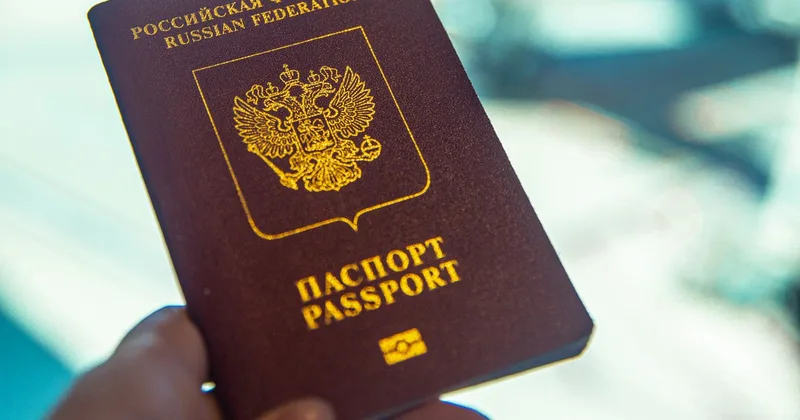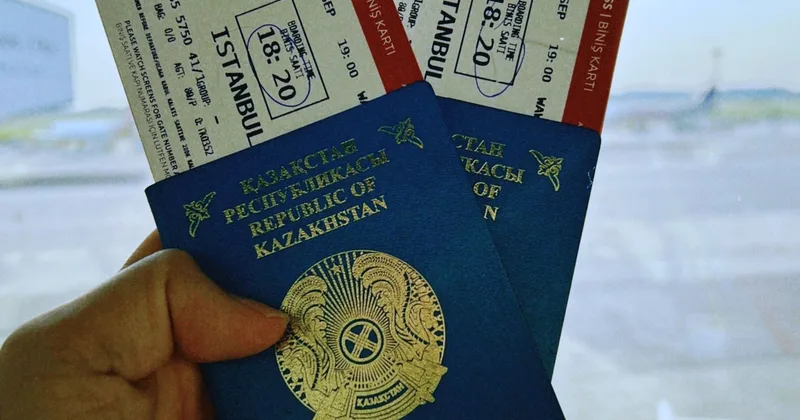
Most people who relocate to Paraguay do not fail because the country is hard. They fail because of a handful of avoidable mistakes made before they ever board the plane: documents translated in the wrong order, a police record that expired in a drawer, a booking built on the belief that residency can be handled from a laptop. Having gone through Paraguay's residency process myself, and with our team in Asunción watching files cross the counter, I see the same errors surface again and again.
This article walks the most common mistakes moving to Paraguay, why each one costs a wasted trip or a lost year, and exactly how to avoid it, with the 2026 rule changes built in.
The Most Common Mistakes Moving to Paraguay
The most common mistakes moving to Paraguay are procedural, not dramatic: translating documents before the apostille, letting a police record expire, assuming a fully remote process, treating the cédula as the tax finish line, and ignoring home-country exit rules. Each is avoidable with the right sequence and current information.
None of these mistakes is exotic. They come from applying the assumptions of an ordinary domestic move to a cross-border one that runs on Paraguayan bureaucracy, in Spanish, under rules that shifted in 2026. Get the sequence right and the process is orderly. Get it wrong and you pay for it in repeat flights and idle months. The full journey is laid out in our step-by-step guide to moving to Paraguay; what follows is the map of where it quietly goes wrong.
Mistake 1: Apostille First, Then the Spanish Translation in Paraguay
The single most expensive sequencing error is translating your documents before you apostille them. As of 2026, the two home-country documents you need for Paraguay residency, a birth certificate and a police record, must first carry an apostille from the country that issued them, and only then be translated into Spanish by a sworn public translator once you are in Paraguay. The apostille is itself part of what gets translated.
Reverse the order and you pay twice: the translation is done, then the apostille arrives, and the translator has to redo the work to include it. Worse, some people translate at home with a translator whose certification Migraciones does not recognize, then discover the document is useless at the counter. The sworn translation belongs in Paraguay, done locally by a matriculated translator, after the apostille is on the page.
If your country is not part of the Hague Apostille Convention, you go through consular legalization instead, which is slower, so start that step early. Apostille at home first, translate in Paraguay second. That one rule prevents one of the most common mistakes moving to Paraguay.
Mistake 2: Letting Documents Expire Before Your Paraguay Filing
Documents for Paraguay residency have a shelf life, and this one catches careful people who gather everything early and then let months slip by.
A police record in particular is treated as a recent-conduct document, though the deadline is less official than most lists imply.
Migraciones asks only that the certificate be current and names no number of days, so the binding period is whatever your issuing authority prints on it. We suggest keeping it under 90 days when you file, and noting that the window opens on the day it was issued, not the day the apostille was attached. Slow apostille handling can therefore consume a third of it before you have booked anything. The same freshness expectation can apply to other civil-status documents.
The mistake usually looks like diligence. Someone orders their birth certificate and police record in January, apostilles them, then delays the trip until the autumn, and arrives to find the police record stale. Now they need a fresh one issued, apostilled, and translated again, from another country, while sitting in Asunción. Order your documents in the right window: recent enough to be valid at filing, early enough to apostille without panic.
Treat the police record as the clock that governs your timeline. Build your trip around its issue date rather than the other way round, and confirm the current validity window against a live source before you fly.
Mistake 3: Assuming Moving to Paraguay Is a Fully Remote Process
A surprising number of people plan the entire relocation from their sofa and are blindsided by one fact: the cédula is issued in person, with biometrics taken on site. As of 2026, there is no fully remote path to a Paraguayan identity card. Marketing that promises the whole thing handled from abroad, without you ever setting foot in the country, is describing something that does not exist.
Because biometrics happen on the ground, the relocation takes either two trips or one long stay, and both can be planned. Two trips means filing and completing the in-country steps, flying home, then returning for the cédula, which on this route takes five to seven months from the filing date. One trip means staying roughly three to four months, with the cédula fast-track closing the gap after the carnet, which is how the Premium package is set up.
What fails is a single short visit with a return flight booked for week three. The full counter-level sequence, including what happens on each visit, is set out in our Paraguay residency and cédula guide. Read it before you book, because the people who assume a remote process are the ones who end up rebooking.

Mistake 4: Treating the Cédula as the Finish Line for Tax
This is the mistake that costs the most money, and it stays invisible until a tax authority asks a question. People assume that holding a cédula makes them a Paraguayan tax resident and therefore automatically entitled to 0% on foreign income. It does not. The cédula is your immigration status. Tax residency is a separate question with requirements of its own.
Paraguay's territorial system means foreign-source income is, in principle, not taxed locally, so for a genuine tax resident that income can stay untaxed in Paraguay. The operative words are "genuine" and "in principle". In Paraguay itself, tax residency is governed by Ley 6380/2019, and a contador clarifies it for each case. No minimum day count appears in the law, but a card in a drawer and no real life here convinces nobody, least of all your former country.
The source question trips remote workers in particular. Paraguay can tax the work you physically carry out on its soil, at IRP or IRE rates in the 8 to 10% range, however foreign the client list looks, so get that classification from a Paraguayan tax adviser rather than from a forum before you count on 0%.
Our guide to Paraguay tax residency and 0% territorial tax explains where people misread it.
US citizens and green-card holders should read this twice. You are taxed on your worldwide income regardless of where you live, because the United States taxes on citizenship, not residency. Moving to Paraguay and holding a cédula does not change that; only renouncing citizenship does, with a possible exit tax. Paraguayan tax residency is not a US tax escape hatch, and treating it as one is a serious mistake.
Not sure which of these mistakes applies to your situation? A short intro call explains what each of our packages handles in Paraguay and what it costs. For the tax side of your own case, we put you in touch with licensed advisers in Paraguay; home-country questions belong with a qualified adviser there. Talk to us.
Mistake 5: Ignoring Your Home-Country Exit Rules When Leaving for Paraguay
Paraguay is only half of your tax picture. The country you leave has its own rules for when you stop being tax resident there, and some do not let go cleanly. Depending on where you are from, you may face exit taxation on unrealized gains, continued residency by default if you keep a home or family behind, or reporting obligations that survive the move. Ignoring the exit side is one of the most consequential mistakes moving to Paraguay.
The error is to focus entirely on getting into Paraguay and to treat departure as automatic. It is not. Whether and when your old country stops treating you as resident, and whether exit-tax or trailing-liability rules apply, matters as much as the apostille, and deregistering alone does not settle it. This is jurisdiction-specific, so a general article cannot decide it for you; a qualified advisor in your home country can.
If your former country still considers you resident, it can keep taxing you regardless of your status in Paraguay.
Mistake 6: Underestimating Spanish, Heat, and Paraguay's Bureaucracy
Not every mistake is administrative. Some are about expectations, and they surface around month three. Three realities catch newcomers off guard: daily life runs in Spanish, Asunción is genuinely hot for much of the year, and the bureaucracy moves at its own unhurried pace. None is a dealbreaker, but arriving without planning for them is how a promising move curdles into frustration.
Spanish is the big one. You can start a relocation with very little, but you cannot settle comfortably without it, and every official step assumes it. The heat comes second: if you have never lived through a subtropical summer, price it into where and how you live rather than discovering it in January. The bureaucracy is third, and impatience with it is self-defeating. Queues and in-person steps are the texture of the process, not a malfunction.
Budget for these realities as honestly as you budget for the money. Our breakdown of the cost of living in Paraguay for 2026 handles the numbers; the rest you plan for with realistic expectations rather than a spreadsheet.
Mistake 7: Budgeting Against Last Year's Paraguay Migraciones Fees
The final avoidable mistake is planning your relocation against outdated numbers. 2026 changed two things at once: a solvency requirement took effect and Migraciones fees were updated. As of 2026, a solvency regime for permanent residency was introduced under Resolución DNM 407/2026 (applications from 6 July 2026), and fees were revised under Resolución DNM 478/2026 (effective 1 July 2026). A budget or checklist copied from a guide written last year can miss both.
The practical failure on the fee side is arriving with the wrong amount and losing days sorting it out. On the solvency side the error runs the other way: it is easy to over-prepare bank statements and pension letters for the temporary filing, where Migraciones asks only for a sworn declaration of your intended activity.
Solvency proof belongs to the permanent application, filed in the final four months of the temporary period (months 21 to 24), and the resolution fixes no statutory minimum amount. Check the fees close to your travel date, and the accepted solvency categories close to that later filing.
Build your budget on current numbers, and account for the whole picture: government fees, obtaining and apostilling your documents, the sworn translation, and at least one substantial trip. A plan that accounts for all of it is the one that does not stall halfway through.
How to Avoid the Biggest Mistakes Moving to Paraguay
The thread running through every one of these errors is sequence and current information. Apostille before you translate. Order your documents in a window that keeps the police record fresh. Plan for an in-person cédula and decide early between one long stay and two trips. Separate immigration status from tax residency, and handle both your Paraguay presence and your home-country exit. Check the 2026 rules against a live source, not last year's blog post.
None of this requires genius; it requires doing things in the right order with facts that are current as of 2026. The people who relocate smoothly are rarely the boldest. They are the ones who treated the move as a project with a critical path and refused to improvise the parts that punish improvisation.
Want the Paraguay side handled? A guided package coordinates the application file, the sworn translation in Paraguay, and the Migraciones filing under the current 2026 rules, for a fixed fee. See the packages.
Frequently Asked Questions About Mistakes Moving to Paraguay
What is the most common mistake moving to Paraguay?
The most common mistake moving to Paraguay is sequencing the paperwork wrong, usually translating documents before the apostille is issued. As of 2026 you apostille the birth certificate and police record at home first, then have them sworn-translated into Spanish in Paraguay. Reverse it and you pay for the translation twice.
Can I complete a move to Paraguay without visiting?
No. As of 2026 the cédula is issued in person with biometrics taken on site, so a move to Paraguay cannot be fully remote. You choose between two trips, one to file and one to collect the card about five to seven months later, and a single stay long enough for the carnet, roughly three to four months, that uses the cédula fast-track.
The RUC tax ID is separate. It is issued only after a later in-person visit to the DNIT once the cédula exists, and nobody can make that visit on your behalf, though it need not be in Asunción.
Does a Paraguay cédula make me tax-free automatically?
No. A cédula is your immigration status, not a tax outcome. Paraguay's territorial system can mean 0% on foreign-source income, but only with Paraguayan tax residency, which Paraguayan law governs without a day count, and income from work you perform while physically in the country may be taxed locally. Treating the cédula as the tax finish line is a costly mistake.
Do US citizens avoid tax by moving to Paraguay?
No. US citizens and green-card holders are taxed on worldwide income regardless of where they live, because the United States taxes on citizenship. Moving to Paraguay and holding a cédula does not remove US tax filing or liability; only renouncing citizenship does, with a possible exit tax. Consult a US-qualified advisor.
How do expired documents cause mistakes moving to Paraguay?
A police record is treated as a recent-conduct document; Migraciones names no fixed period, and we recommend filing it within 90 days of issue. People who gather documents early then delay the trip arrive with a stale record and must reorder, apostille, and translate it again. Time the documents to your filing.
Should I plan my home-country exit before moving to Paraguay?
Yes. Your former country decides when you stop being tax resident there, and some apply exit taxes or trailing obligations. Focusing only on entering Paraguay and ignoring the exit is a serious mistake. Take jurisdiction-specific advice for your own country before you move.
What 2026 rule changes affect moving to Paraguay?
Two matter most. As of 2026, a solvency regime for permanent residency was introduced under Resolución DNM 407/2026 (applications from 6 July 2026), and Migraciones fees were updated under Resolución DNM 478/2026 (effective 1 July 2026). Budgeting against last year's fees is a common mistake, so verify them close to your travel date; the solvency proof only comes into play at the permanent application, about two years later.
Legal basis and disclaimer: This article is general information, not individual legal, tax, or immigration advice, and requirements can change. Paraguay's residency rules are set by the Dirección Nacional de Migraciones (DNM) and its tax rules by the Dirección Nacional de Ingresos Tributarios (DNIT). Confirm the current position with the relevant authority or a qualified adviser before you act. Before acting on any of it, read the Paraguay file from PwC's country summary.

About the author
Yannick Schroth
Founder · Paraguay relocation support
Spends regular time in Paraguay and, with his team on the ground in Asunción, guides international nomads, entrepreneurs and investors through residency, the cédula and the RUC paperwork.
Note: this article reflects the position at the time of publication. Laws, prices and deadlines can change, so individual details may since be out of date. Check the current rules before you act on them: we answer questions about residency and our services, while the tax treatment of your own case belongs with a qualified tax adviser.