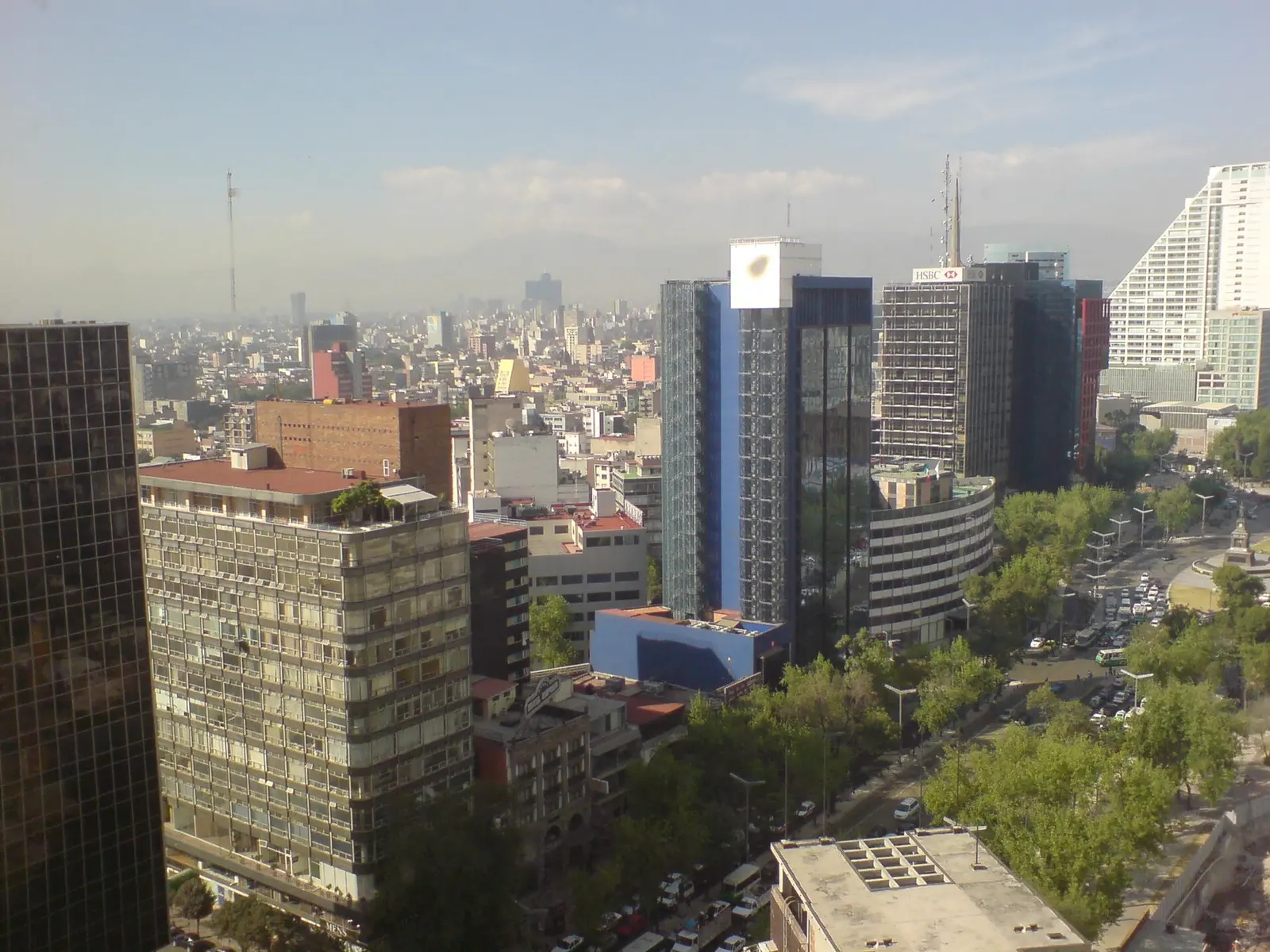
You bought an apartment in Asunción, or you are about to, and the question nags: does Paraguay have a hidden annual bill waiting for you? It does, and it is small. The annual real-estate tax, the impuesto inmobiliario, is charged at roughly 1% of a property's official fiscal value, not its market price, so the bill most owners actually receive is modest by North American or European standards.
This guide explains how the property tax in Paraguay works for a foreign owner in 2026: how it is calculated, who collects it, why the fiscal-value basis keeps it low, what the 2026 valuation change means, the surcharges on large idle land, and, crucially, how this local charge sits entirely apart from Paraguay's headline 0% tax on foreign income.
What Is the Property Tax in Paraguay?
The property tax in Paraguay is an annual charge levied on real estate you own, from a city apartment to a rural plot. It is set at a base rate of about 1% of the property's official valuation, and it is collected by the municipality where the property sits rather than by the national tax authority.
That single sentence hides the whole reason the bill stays small. The 1% is not applied to what you paid for the property or what it would fetch on the open market. It is applied to the valor fiscal, the official cadastral value the state assigns to the parcel, which in Paraguay has historically sat well below real transaction prices. A 1% rate on an undervalued base produces a genuinely low annual number.
How the Impuesto Inmobiliario Is Calculated
The calculation is straightforward in principle. The municipality takes the official fiscal value recorded for your parcel, applies the base rate of roughly 1%, and issues an annual bill. Urban and rural properties both fall under the same broad framework, with two rural twists: small rural holdings under 5 hectares, generally those used for farming or ranching, pay a reduced rate of about 0.5%, while very large holdings face the surcharge rules covered further down.
The fiscal value itself comes from the national cadastre and the tables of land and construction values that feed it. It reflects the parcel's size, location, and the built structures on it, updated periodically by official decree rather than tracked live against the market. Because the underlying figure is administrative, your annual bill is predictable and does not jump every time nearby sale prices rise. Confirm the exact figure on your own cadastral record with the municipality.
One nuance worth knowing: an unbuilt lot and a lot with a finished house on it carry different assessed values, because the construction on the parcel feeds into the fiscal figure. So building on a plot you own can raise its assessed value and, with it, the annual charge. The increase is still measured against the modest fiscal base, not the market cost of the build, so the effect on your bill stays contained.
Fiscal Value, Not Market Value: Why Your Valuation Stays Low
This is the point foreign owners most often get wrong, so it is worth stating plainly: your Paraguay property is taxed on its official valuation, not on what you paid. In many countries the two numbers track closely. In Paraguay they historically diverge sharply, with fiscal values sitting far under market prices, especially in fast-appreciating parts of Asunción.
The practical effect is a low effective rate against real value. A property that trades for a six-figure sum in dollars may carry a fiscal value that is a fraction of that, so a nominal 1% tax translates into an effective burden well under 1% of what the asset is truly worth. Treat this as a structural feature of the system as of 2026, but confirm your parcel's assessed value directly, because valuations differ case by case.
The 2026 Valuation Increase and What It Means
Fiscal values do not stay frozen. The government periodically raises the official valuations that the tax is calculated on, and for 2026 the increase was set at approximately 4.1% by decree. That adjustment lifts the assessed base across affected properties, which in turn nudges the annual bill upward by a similar proportion.
Put the number in perspective before it alarms you. A roughly 4.1% rise applies to the fiscal value, not to your bill's relationship with market prices, and because the starting base is low, a few percent more on it is a small absolute change for most owners. Adjustments like this recur, so budget for the assessed value to creep up modestly over time. Always verify the current-year figure, since decrees change annually and the percentage can differ from one year to the next.
A Municipal Tax Collected by Your Local Municipality
The rate comes from national law, Ley 125/91, but the impuesto inmobiliario is a municipal tax. It is administered and collected by the local municipality where the property lies, not by the national revenue service that handles income and value-added taxes. Your bill, your payment deadlines, and any local discount all come from that municipal government, so the fine detail varies from one municipality to the next.
For an owner in the capital, that means the Municipalidad de Asunción. For a plot in the interior, it means the municipality covering that district. This local character matters in practice: payment channels, early-bird discounts, and administrative quirks are set at municipal level, so the guidance from an Asunción neighbor may not match the rules where your rural parcel sits. When in doubt, deal with the specific municipality that issues your bill.
The national cadastre and the tables of official values feed every municipality, so the underlying valuation method is broadly consistent across the country. What differs locally is the administration around it: how you receive the bill, where you pay, and whether the municipality runs an incentive for prompt payment. Keep your ownership records and cadastral reference handy, because you will need them whenever you interact with the municipal office over your annual charge.
Buying in Paraguay and planning residency around it? We can walk you through the residency steps and timeline. The bill for a particular parcel comes from its municipality, and the tax treatment of your purchase or rental income is something a partner tax adviser in Paraguay can take on after an introduction from us. Get in touch.
Surcharges on Undeveloped Property and Large Rural Holdings
The flat 1% picture has one important exception aimed at idle and oversized land. Paraguay applies additional charges to large undeveloped urban lots (baldíos) and to very large rural landholdings (latifundios), designed to discourage holding big tracts of unused land purely for speculation. If you own a bare plot or extensive acreage, the effective rate can rise above the ordinary base.
For the typical foreign buyer this rarely bites. A city apartment, a titled house, or a modest plot is not what the surcharge targets. But if you are considering a large estancia or a sizeable undeveloped parcel in the interior, ask your escribano and the relevant municipality to model the surcharge before you buy. The thresholds and multipliers are set in law and can change, so treat any figure as approximate and verify it for your specific parcel.
Early-Payment Discounts and the Annual Payment Cycle
The property tax runs on an annual cycle. The municipality issues the year's assessment, opens a payment window, and sets deadlines, and paying late typically attracts interest and penalties. Because the tax is municipal, the exact calendar and the size of any incentive depend on where the property sits.
Asunción has, by municipal ordinance, offered discounts for owners who pay on time or early in the cycle, rewarding prompt settlement of the annual bill. Other municipalities may or may not run a comparable scheme. If your parcel is in the capital, it is worth confirming the current early-payment window and discount each year, since these are set by ordinance and can be revised. As always, treat any specific percentage or date as approximate and check it with the municipality before relying on it.
Property Tax in Paraguay vs the 0% on Foreign Income
Here is the honest framing that many summaries skip. Paraguay's celebrated 0% territorial tax applies to foreign-source income, not to assets located inside Paraguay. The property tax in Paraguay is a local tax on an asset that physically sits in the country, so it is a completely separate charge from Paraguay's income-tax regime.
Owning a Paraguay property does not break your 0% on foreign-source income. Dividends, interest or a pension from abroad stay outside the Paraguayan income-tax net, property or not, as long as you are tax resident here under Paraguayan law. Work you do online from Paraguay is a different case, since it can count as Paraguayan-source; the guide to online business tax explains why. What owning property adds is the modest asset tax, plus tax on rental income from the property.
For the wider regime, see the Paraguay tax system explained, and for the buying process itself, the guide to buying property in Paraguay.
So the mental model is simple. The 0% headline is about where your income comes from. The property tax is about an asset you hold locally. Both can be true at once: your foreign-source income stays untaxed, and you still pay a small yearly bill on the flat you own in Asunción. Investors weighing local assets can read more in the guide to investing in Paraguay.
If the flat is also meant to carry your residency, the Investor Pass accepts an investment property from $200,000, as explained in Paraguay residency through real estate. A home you live in yourself does not qualify, and the annual tax on that investment flat works exactly as described above.
US Persons: Property Tax in Paraguay and the IRS
US citizens and green-card holders carry an extra layer that no amount of Paraguayan structure removes on its own.
US persons: If you are a US citizen or green-card holder, the IRS taxes your worldwide income regardless of where you live, and Paraguay residency does not change that. The Paraguay property tax is a separate local charge; you must still report foreign property, rental income, and relevant accounts to the IRS. See the US citizens and Paraguay taxes guide and a US-qualified adviser.
Concretely, a US owner pays the Paraguayan municipal property tax locally and, separately, meets US reporting duties at home. Rental income from a Paraguay property is foreign income the IRS still wants to see, and certain foreign holdings trigger their own filing forms. None of that is unique to Paraguay; it follows US persons everywhere. The Paraguayan bill and the US filing are two independent obligations, and you satisfy both, not one instead of the other.
What Foreign Owners Should Budget for Property Tax
Set expectations with ranges, not false precision. For a typical urban apartment or house, the annual property tax commonly lands in the low hundreds of US dollars as of 2026, sometimes less, depending entirely on the parcel's fiscal value and location. A larger property, or one with a higher assessed value, scales up from there, and undeveloped or oversized rural land can carry the surcharge on top.
Because the exact figure hinges on your parcel's official valuation and the issuing municipality, treat any dollar amount here as an illustrative example rather than a quote. The reliable move is to obtain your parcel's fiscal value and current bill from the municipality, factor in the annual valuation adjustment, and confirm whether an early-payment discount applies. Budget conservatively, verify locally, and the property tax will remain the small line item it usually is.
Own property here and want the residency to match? The packages run from the residency filing in Paraguay to the cédula, and the pricing page shows what each one leaves to add-ons. View the packages.
Frequently Asked Questions About Property Tax in Paraguay
How much is property tax in Paraguay for a typical home?
For a standard urban apartment or house, the annual bill commonly falls in the low hundreds of US dollars as of 2026, though it depends entirely on the parcel's official fiscal value and municipality. The base rate is roughly 1% of that assessed value, or about 0.5% for small rural holdings under 5 hectares. Confirm your exact figure with the local municipality.
Is Paraguay's Impuesto Inmobiliario based on market value?
No. The Impuesto Inmobiliario is charged on the property's official fiscal (cadastral) value, not its market price. In Paraguay the fiscal value historically sits well below real transaction prices, which is why the effective burden stays low. Verify your parcel's assessed value on its cadastral record before estimating the bill.
Does owning property break Paraguay's 0% foreign-income tax?
No. Paraguay's 0% territorial regime applies to foreign-source income, while the property tax is a separate local charge on an asset inside the country. Owning real estate does not expose your foreign income to Paraguayan tax. You simply pay the modest annual asset tax, plus tax on any local rental income.
Who collects the property tax in Paraguay?
The municipality where the property is located collects it, not the national revenue service. It is a municipal tax, so payment channels, deadlines, and any early-payment discount are set locally. In the capital that means the Municipalidad de Asunción; elsewhere it is the municipality covering that district.
Do US citizens owe extra tax on Paraguay property?
US citizens and green-card holders pay the Paraguayan municipal property tax locally and still face IRS obligations on worldwide income and assets. Rental income from the property is reportable to the IRS, and some foreign holdings trigger extra forms. The two obligations are independent; consult a US-qualified adviser for your situation.
When is Paraguay's property tax due each year?
The tax runs on an annual cycle, with the municipality issuing the assessment and opening a payment window with deadlines. Paying late usually adds interest and penalties. Asunción has offered discounts for on-time or early payment by ordinance. Confirm the current window and any discount with your municipality, as the calendar varies locally.
Are there surcharges on rural land in Paraguay?
Yes. Paraguay applies additional charges to large undeveloped urban lots (baldíos) and very large rural landholdings (latifundios) to discourage idle speculation. A standard apartment, house, or modest plot is not the target. If you are eyeing a large estancia, ask the municipality to model the surcharge before you commit. Small rural plots under 5 hectares go the other way, with a reduced rate of about 0.5%.
Legal basis and disclaimer: This article is general information, not individual tax or legal advice, and Paraguay's rules can change. The impuesto inmobiliario rests on Ley 125/91, at about 1% of fiscal value and 0.5% for rural properties under 5 hectares, and the municipality where the property lies collects it. Income and consumption taxes fall under Ley 6380/2019 and the national DNIT. Confirm the current position with an official source or a qualified cross-border adviser before you act. The property-tax detail is corroborated by PwC's country summary.

About the author
Yannick Schroth
Founder · Paraguay relocation support
Spends regular time in Paraguay and, with his team on the ground in Asunción, guides international nomads, entrepreneurs and investors through residency, the cédula and the RUC paperwork.
Note: this article reflects the position at the time of publication. Laws, prices and deadlines can change, so individual details may since be out of date. Check the current rules before you act on them: we answer questions about residency and our services, while the tax treatment of your own case belongs with a qualified tax adviser.